Lobkowicz Palace — The Private Collection Inside Prague Castle
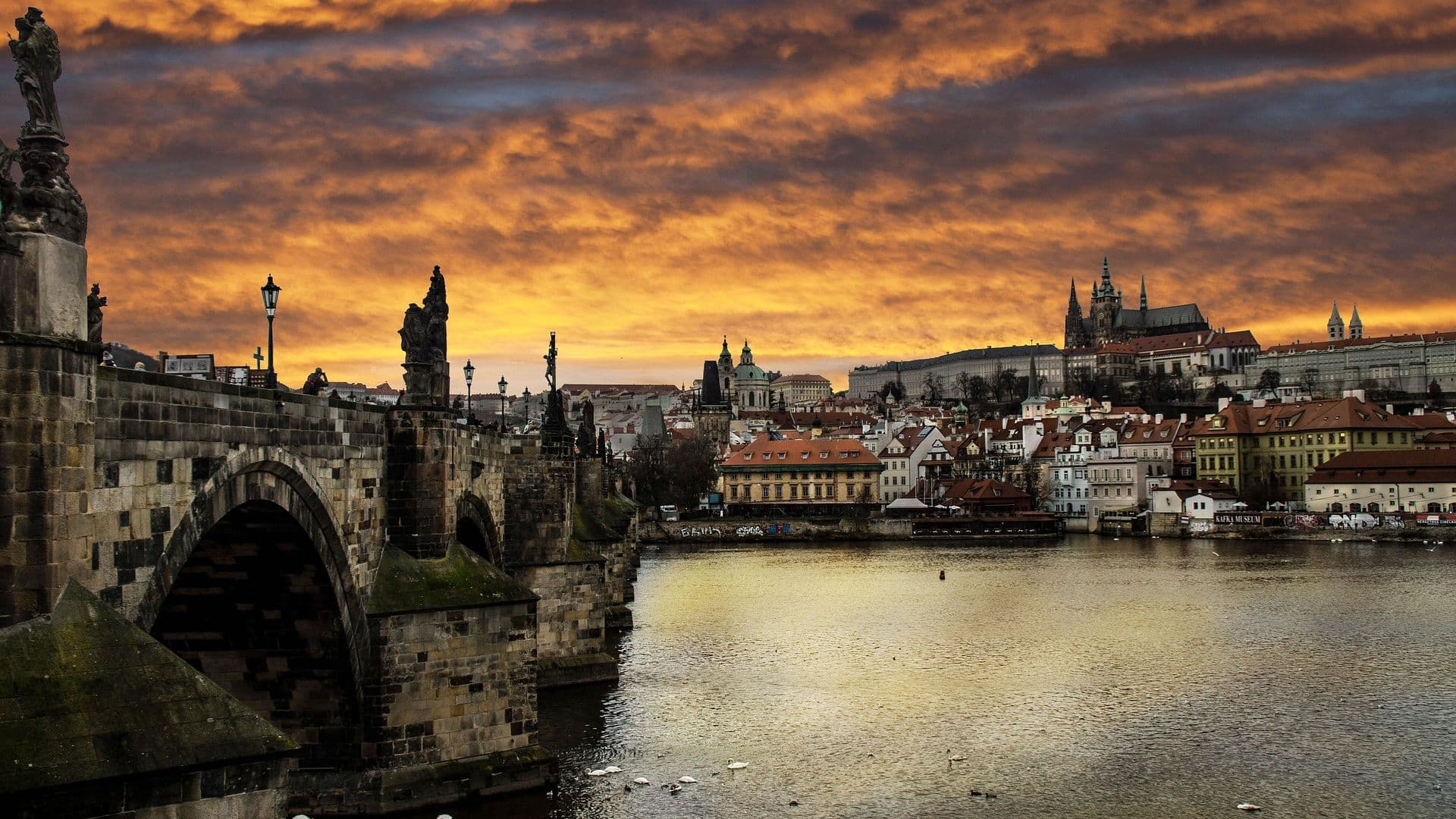
Prague Castle is the largest ancient castle complex in the world, and every building inside it belongs to the Czech state. Every building except one. Lobkowicz Palace is privately owned — the only such building within the castle walls — and it houses a family art collection that rivals many national galleries.
The palace sits at the eastern end of the castle complex, past the Golden Lane, at Jiřská ulice 3. Most visitors have spent their energy by the time they reach this corner, which means the crowds thin out noticeably. That works in your favour. While tour groups pile up around St. Vitus Cathedral, you can stand in front of a Velázquez with room to breathe.
What Makes It Different
State museums feel like state museums. The labels are careful, the lighting is even, the tone is neutral. Lobkowicz Palace feels different the moment you walk in. The audio guide is narrated by William Lobkowicz and his family — the actual owners — and it changes everything. Instead of a detached institutional voice, you hear stories from people who grew up with these paintings on their walls.
The Lobkowicz family lost the palace twice. The Nazis seized it during World War II. They got it back, then the communists took it again in 1948. After the Velvet Revolution in 1989, the family spent years fighting through courts to reclaim it. They succeeded, restored the building, and opened it to the public in 2007. That backstory makes every room feel earned rather than inherited.
William Lobkowicz, who led the restitution effort, is an American-born Czech who grew up in Massachusetts. His narration on the audio guide mixes family lore with personal memory — you hear about his grandmother's stories alongside curatorial details about 16th-century Flemish painting. It's unlike any audio guide we've encountered anywhere in Europe.
What strikes guests most is the Velázquez room. It's not a large space, but seeing a Velázquez portrait in a family collection — not behind rope barriers in a state gallery — shifts your sense of scale. You realize this was someone's living room.
The Art Collection
The collection spans 600 years and includes works by Velazquez, Bruegel the Elder, Canaletto, Cranach, and other names you'd normally associate with the Louvre or the Prado. The Lobkowicz family began collecting in the 16th century, and the range reflects centuries of taste rather than a single curatorial vision.
Pieter Bruegel the Elder's Haymaking (1565) is one of the highlights — part of a cycle of paintings depicting the months of the year, with other pieces from the same series scattered across museums in Vienna and New York. Seeing one here, in a family palace, feels like stumbling on something you shouldn't have access to.
The Canaletto views of London are another surprise. Most visitors don't expect 18th-century London cityscapes in a Prague palace, but the Lobkowicz family had connections across Europe, and their collection reflects that reach. The detail in those paintings — you can count individual windows on the buildings along the Thames — rewards slow looking.
The ceramics, porcelain, and decorative arts fill out the picture. These aren't afterthoughts — the Meissen pieces alone would anchor a smaller museum. Together with the weapons collection and historical instruments, the palace covers ground that most single-family collections can't touch.
The Music Room
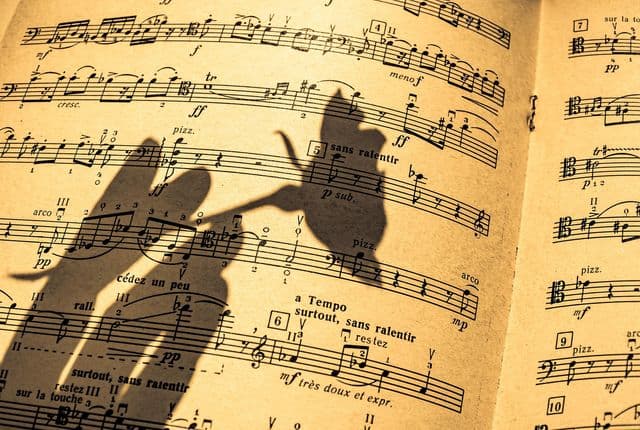
This is the room that makes people stop talking. The palace holds original manuscripts by Ludwig van Beethoven, including annotated scores for the 4th and 5th Symphonies. These aren't facsimiles or digital reproductions — they're the actual pages Beethoven wrote on, with his corrections and notes in the margins.
The connection is direct: the Lobkowicz princes were among Beethoven's most important patrons. The 3rd Symphony (Eroica) was premiered at the Lobkowicz Palace in Vienna in 1804. The family didn't just collect art — they funded the creation of music that shaped Western culture.
Seeing Beethoven's handwriting — impatient, forceful, scratching out passages and rewriting them — brings you closer to the composer than any concert hall can. Look for the ink blots where he pressed too hard and the crossed-out bars where he changed his mind. These are working documents, not presentation copies, and the creative struggle is visible on every page.
The palace also holds works by Mozart, Haydn, and other composers from the family's circle. But it's the Beethoven manuscripts that stop people mid-step. Our guests consistently say this room is the emotional peak of their Prague Castle visit.
The View from the Cafe
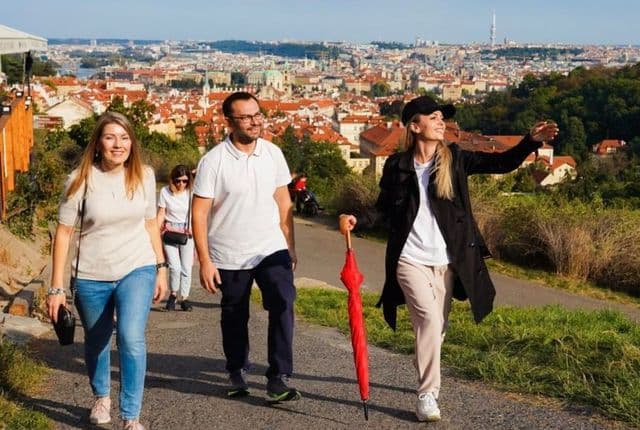
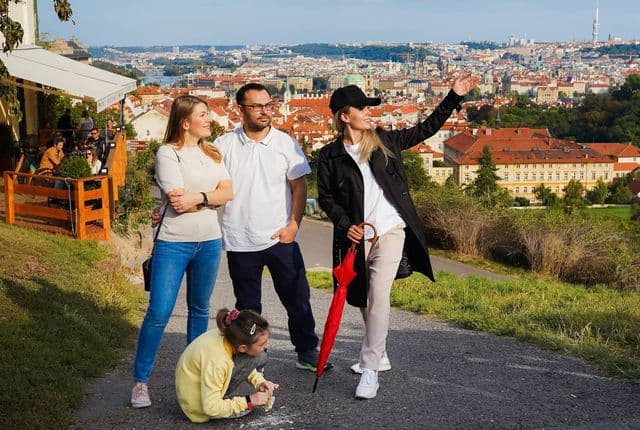
After the collection, head to the Lobkowicz Palace Cafe on the upper floor. The terrace looks out over Prague's rooftops toward Malá Strana, the Vltava, and the spires of the Old Town. On a clear day, the panorama stretches all the way to Petřín Hill and beyond.
We'll be direct: this is one of the best views in Prague, and it's far less crowded than the overlooks near St. Vitus Cathedral. The coffee is decent, the cake is better, and there's something satisfying about sitting in a private palace with a view that most guidebooks skip.
Morning light works best for the terrace — the sun comes from behind you and lights up the city below. Afternoon visits mean shooting into the sun for photos, though the golden hour before closing can be spectacular.
The cafe is also a practical consideration. Prague Castle is large, and fatigue sets in. Pausing here with a coffee, looking out over the city, gives you a chance to process what you've just seen before heading back down into Malá Strana. It's a natural endpoint for the castle complex.
A private guide makes all the difference when exploring this part of Prague.
Practical Information
- Location: Jiřská 3, within the Prague Castle complex (eastern end, past the Golden Lane)
- Hours: typically 10:00–18:00 daily; check the official Lobkowicz Palace website for seasonal changes
- Admission: separate from Prague Castle tickets — the palace has its own entry fee (around 350 CZK for adults)
- Audio guide: included in the ticket price — take it, this is not optional advice
- Time needed: 60–90 minutes for the collection and cafe
- Best timing: arrive early, ideally by 10:00 when the doors open, or after 15:00 when the castle crowds start thinning. Midday (12:00–14:00) is the busiest window
The palace is wheelchair accessible on the ground floor, but upper levels involve stairs. Ask at the ticket desk about current accessibility options.
Experience It With a Private Guide
Lobkowicz Palace is part of our Prague Castle and Lesser Town private tour, and it's the stop that generates the most conversation afterward. The audio guide inside is excellent — we don't talk over it — but the context we provide before you enter and the connections we draw as you leave make the whole visit land differently.
We walk you through the castle complex at a pace that makes sense, explain why the Lobkowicz story matters in the context of Czech history, and make sure you don't skip the cafe terrace. Exclusively yours, with your own guide.
For a longer day, our All Prague in One Day tour covers the castle complex along with Old Town, Charles Bridge, and Vyšehrad — a thorough introduction if this is your first visit.
And if you want to end the day with something completely different, a medieval dinner show at U Pavouka Tavern pairs surprisingly well with a day of palaces and high culture. Fire dancers after Beethoven manuscripts — Prague has range.
Browse all our private tours from Prague.
Frequently Asked Questions
Is Lobkowicz Palace included in the Prague Castle ticket?
No. The palace has a separate admission fee (around 350 CZK for adults). It's privately owned, so it operates independently from the state-run castle buildings.
How long does a visit to Lobkowicz Palace take?
Plan 60 to 90 minutes. The collection itself takes about 45–60 minutes with the audio guide, and you'll want at least 15–20 minutes for the cafe terrace and the view.
Can you see the Beethoven manuscripts?
Yes. Original manuscripts, including annotated scores for the 4th and 5th Symphonies, are on permanent display in the Music Room. These are the real pages — not copies.
Is the palace suitable for children?
The audio guide is geared toward adults, but older children (10+) who have some interest in art or music tend to engage with it. Younger children may find it slow going. The cafe and the view, however, work for everyone.
What's the best time to visit?
Early morning (right at opening) or mid-afternoon (after 15:00). The midday rush at Prague Castle spills over into the palace, and you'll have a much better experience with fewer people in the rooms.
You May Also Like
Want to see Prague for yourself?
Visit Prague Castle on our tour-6-640x430.jpg&w=3840&q=75)