Czech Beer Guide — What to Order and Why It Matters
The Czech Republic drinks more beer per capita than any country on earth. That is not a recent development — Czechs have been brewing since the 11th century, and they invented the style of beer that most of the world now drinks. When you order a Pilsner, a Budweiser, or any pale lager anywhere on the planet, you are drinking a descendant of a beer first brewed in Bohemia.
Understanding Czech beer is not about memorizing brand names. It is about knowing the difference between a světlé and a tmavé, understanding why tank beer matters, recognizing when a pub takes its beer seriously, and learning the etiquette that makes a Czech pub feel welcoming rather than confusing.
We take guests to breweries and pubs where the beer culture is genuine, and we have watched hundreds of visitors go from "I'll have whatever's on tap" to ordering with confidence. This guide gives you the same foundation.
A Brief History — Why Czech Beer Matters
The story starts in 1842 in the city of Plzeň (Pilsen), about 90 kilometres west of Prague. A Bavarian brewer named Josef Groll was hired by a collective of frustrated Plzeň citizens who were tired of their local beer being terrible — so terrible that they had publicly dumped 36 barrels of it in front of the town hall in protest.
Groll combined Bohemian Saaz hops (žatecký chmel), pale Moravian malt, the exceptionally soft Plzeň water, and bottom-fermenting Bavarian yeast. The result was the world's first golden lager — clear, bright, bitter, and refreshing in a way that the cloudy, dark ales of the era were not. He called it Pilsner Urquell (Plzeňský Prazdroj in Czech), and it changed brewing worldwide.
Within decades, brewers everywhere were copying the style. Today, the vast majority of beer consumed globally is a pale lager descended from what Groll made in Plzeň. The Czechs did not just contribute to beer history — they wrote the chapter everyone else followed.
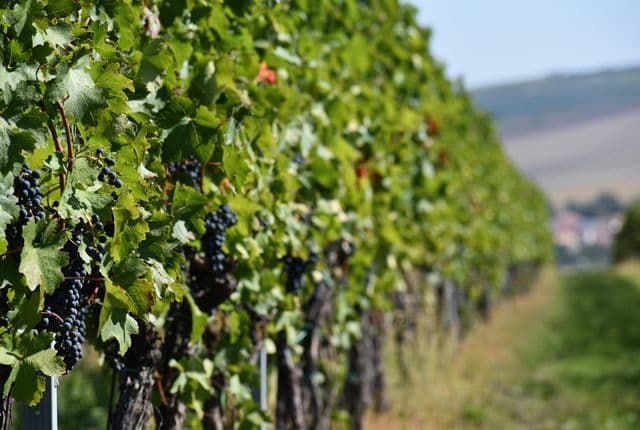
Insider detail: the Saaz hop (Žatecký poloraný červeňák) is still grown in the Žatec region north of Prague, with geographical protection under Czech law. It has a delicate, spicy, floral bitterness distinctly different from aggressive American or British hops. When a Czech beer tastes balanced and aromatic, the Saaz hop is why.
Types of Czech Beer
Czech beer is categorized differently than what most visitors expect. Forget IPA, stout, and wheat beer categories for now — the Czech system is simpler and built around colour and strength.
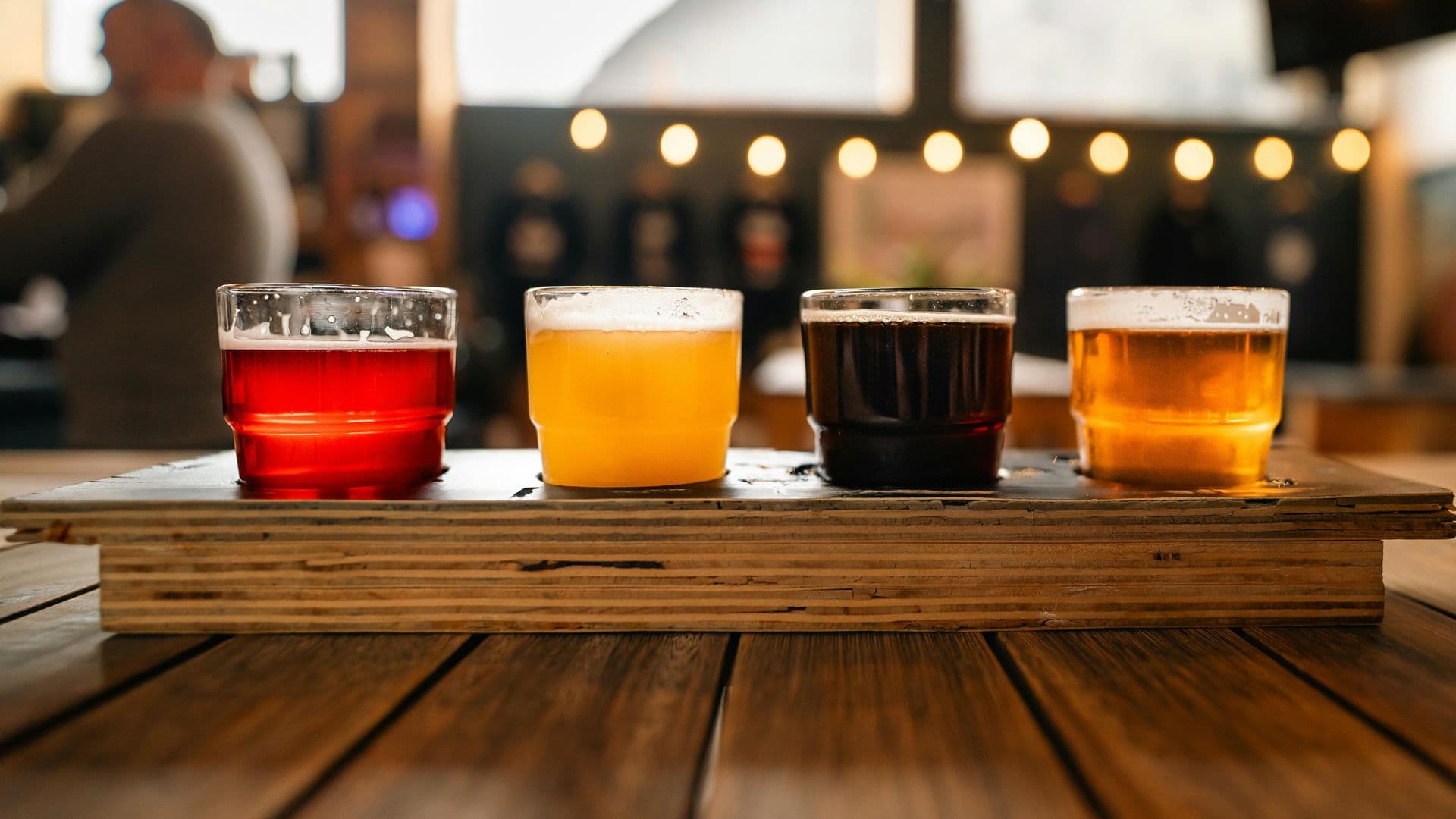
Světlé pivo (light beer) — "light" refers to colour, not calories. This is the classic Czech pale lager: golden, clear, with a balanced bitterness and a creamy white head. It is what 80% of Czechs drink, and it is what you should start with. Pilsner Urquell, Staropramen, Kozel Světlý, and Budvar are all světlé.
Tmavé pivo (dark beer) — a dark lager with caramel and roasted malt flavours. Czech dark beer is nothing like a British stout or porter — it is lighter-bodied, slightly sweet, smooth, and very drinkable. Kozel Černý (dark) and Staropramen Dark are widely available. If you like malty, easy-drinking beer, try a tmavé early in your visit.
Řezané pivo (cut beer) — a blend of light and dark beer drawn from both taps into the same glass. The bartender layers them to create a beer that combines the crispness of světlé with the malt depth of tmavé. Not every pub offers it, but when they do, it is worth ordering at least once.
Nefiltrované pivo (unfiltered beer) — a hazy, unfiltered lager with more body and flavour than the filtered version of the same beer. Many Czech breweries produce an unfiltered variant. It is cloudier, slightly yeasty, and often has a fuller mouthfeel. Staropramen Nefiltrované and Kozel Nefiltrovaný are common.
Polotmavé pivo (semi-dark/amber) — an amber lager that sits between light and dark. It has some caramel character but retains the drinkability of a světlé. Less common than the others but worth trying when available.
Beer Strength — The Degree System
Czech beer labels show a number followed by a degree symbol — 10, 11, 12, or higher. This is not alcohol percentage. It is the Plato scale, measuring the sugar content of the wort before fermentation.
A 10-degree beer (desítka) is lighter and more sessionable. A 12-degree beer (dvanáctka) is fuller-bodied and stronger. Most everyday Czech beer is 10 or 11 degrees.
As a rough conversion: a 10-degree lager is around 4.0–4.5% ABV, while a 12-degree is around 4.8–5.5% ABV. Czechs often drink desítka as their session beer and switch to dvanáctka when they want something with more substance.
Insider detail: ordering a "desítka" (ten) or "dvanáctka" (twelve) is the local way to specify what strength you want. In a pub that serves multiple beers, saying "dvanáctku, prosím" (a twelve, please) tells the bartender exactly what you are after without needing to know the brand name.
Every member of our team is one of the Czech Ministry-certified top-category guides in Prague.
How to Order
Ordering beer in a Czech pub is straightforward once you know the system.
"Pivo, prosím" (beer, please) — this will get you the house lager, typically a světlé in a half-litre glass. It is the default order and perfectly acceptable.
Velké (large, 0.5L) vs malé (small, 0.3L) — most Czechs drink velké. A malé is available everywhere, but ordering one in a serious beer pub may earn a raised eyebrow from the bartender. Affectionately, not rudely.
The tick system: the server places a small paper tab on your table, marking each beer with a tick. When your glass is nearly empty, they bring another automatically. To stop, place a coaster on top of your glass or say "zaplatím" (I'll pay) — if you do not signal, the beer keeps coming.
Insider detail: never pour your own beer from a bottle into a glass — that is the server's job. When toasting, make eye contact, say "Na zdraví" (to health), and do not cross arms with anyone else who is clinking. Small things, but Czechs notice them.
Tank Beer — Why It Matters
The words tankové pivo (tank beer) on a pub's sign are a quality indicator worth seeking out. Tank beer is unpasteurized lager delivered directly from the brewery in sealed, pressurized tanks. It tastes noticeably fresher, smoother, and more flavourful than the same brand from a standard keg — creamier head, softer carbonation, and a hop character that comes through more clearly.
Tank beer has a shorter shelf life (7–10 days), which means pubs that serve it need high turnover. A busy pub with tank beer is a good sign.
Staropramen, Pilsner Urquell, Gambrinus, and Kozel all have tankové versions available at select pubs across Prague. If you see the sign, go in. The price is typically the same as regular draft — 55–80 CZK for a half-litre (as of 2026) — but the quality difference is real.
Czech Beer Brands Worth Knowing
Pilsner Urquell (Plzeňský Prazdroj) — the original, brewed in Plzeň since 1842. Hoppy, bitter, distinctive — the benchmark against which all other Czech lagers are measured. The tank version is the best way to drink it.
Budějovický Budvar — brewed in České Budějovice (Budweis). The original "Budweiser" — the name dispute with the American brand has been litigated for over a century. Softer and maltier than Pilsner Urquell. Excellent.
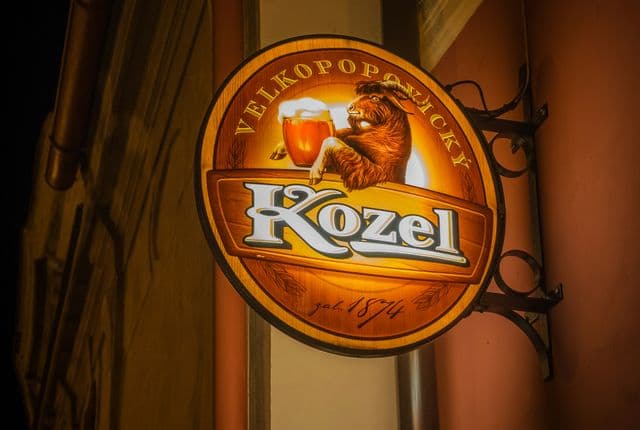
Kozel — brewed in Velké Popovice, southeast of Prague. Available in light, dark, and unfiltered. The dark version (Kozel Černý) is one of the best widely available tmavé beers in the country. Our Kozel Brewery tour visits the brewery, explains the process, and includes tastings — it is one of our most popular day trips.
Our guides know the best local spots — far from the tourist traps. Learn more about our team.
Staropramen — Prague's own brewery, located in the Smíchov district. The unfiltered version is solid. The brewery building itself, a massive 19th-century complex along the river, is a Smíchov landmark.
Gambrinus — the most consumed beer in the Czech Republic by volume. A straightforward, affordable 10-degree lager. No pretense, no disappointment.
Bernard — a family-owned brewery in Humpolec, Moravia. Known for unpasteurized, bottle-conditioned lagers with more character than the big brands. The Bernard sváteční ležák (celebration lager) is widely considered one of the best Czech beers available.
The Craft Beer Scene
Prague has developed a genuine craft beer scene over the past decade, though it exists alongside — not in place of — the traditional lager culture. Craft beer bars in Vinohrady, Žižkov, Holešovice, and Karlín serve rotating taps from Czech microbreweries. Prices are higher than traditional pubs — 80–120 CZK per half-litre (as of 2026) — and the atmosphere is more bar than pub.
Insider detail: Czech craft brewers have a particular strength in sour beers and farmhouse ales, reviving old Bohemian ale traditions that predate modern lager using local grains and wild fermentation. If you are a beer enthusiast, ask at any craft bar about Czech kyselé pivo (sour beer) — the quality is surprising.
The craft scene is interesting, but it is not why you came to Prague. Drinking a properly served Czech pilsner in a traditional pub is an experience that craft IPAs, however good, cannot replicate.
Pub Culture and Etiquette
Czech pubs — hospody — are social institutions, not just places to drink. They are where friends meet, where regulars have their table (sometimes literally marked as reserved for them every evening), and where the atmosphere is measured in conversation, not music volume.
Sitting down: in traditional pubs, you can sit at any table that is not marked "reservováno." Sharing a table with strangers is normal and expected — nod a greeting when you sit down.
Food: most pubs serve food — utopenec (a brined sausage with onions and peppers), nakládaný hermelín (marinated cheese), and tlačenka (headcheese with onion and vinegar) are classic beer companions. They are designed to make you thirsty, which is the point.
Tipping: round up to the nearest 10 or 20 CZK, or add 10%. Tell the server the total you want to pay when settling up — do not leave money on the table. If the bill is 147 CZK, say "sto šedesát" (one hundred sixty).
Closing time: traditional pubs often close at 22:00 or 23:00. This is a conversation culture, not a party culture.
Price Guide
Czech beer remains remarkably affordable by European standards.
- Traditional pub, half-litre draft: 45–70 CZK (as of 2026)
- Tourist-area pub, half-litre draft: 70–100 CZK
- Beer garden: 55–80 CZK
- Craft beer bar, half-litre: 80–120 CZK
- Restaurant, half-litre: 60–90 CZK
- Bottle from a shop: 15–35 CZK
If you are paying more than 100 CZK for a half-litre of standard Czech lager, you are in a tourist area. Move one street over and the price will likely drop.
Experience Czech Beer With a Private Guide
Beer in the Czech Republic is not just a drink — it is context. On our Kozel Brewery tour, we drive to the Velké Popovice brewery, walk through the production, and taste beer straight from the source — paired with traditional Czech food.
Exclusively yours, with your own guide — we answer every question, from hop varieties to pour technique, and we adjust the pace to your interest level.
For an evening in Prague, the medieval dinner at U Pavouka Tavern includes beer alongside a five-course feast in a candlelit Gothic cellar — a different kind of Czech drinking experience, with sword fighting and fire breathing as accompaniment.
Browse all our private tours in Prague.
The world's first pilsner was brewed in Plzeň in 1842, and the original brewery still pours it the old way. Our private Pilsner Urquell brewery tour walks the cellars, tastes the unfiltered, and gets you back to Prague the same day.
Frequently Asked Questions
What beer should I order in Prague?
Start with a svetle (pale lager) — it is what most Czechs drink. Pilsner Urquell, Kozel, Budvar, or Staropramen are all solid choices. If available, try the tank version (tankove pivo) for the freshest taste. For something different, order a tmave (dark lager) — it is smooth, malty, and lighter than you expect.
How much does beer cost in Prague?
A half-litre of draft beer in a traditional pub costs 45-70 CZK (as of 2026). Tourist areas charge 70-100 CZK. Craft beer bars run 80-120 CZK. A bottle from a shop costs 15-35 CZK. Czech beer is among the most affordable in Europe.
What is tank beer?
Tank beer (tankove pivo) is unpasteurized lager delivered directly from the brewery in pressurized tanks. It is fresher, smoother, and more flavourful than standard kegged beer. Look for "tankove pivo" signs outside pubs — the price is usually the same as regular draft, but the quality is noticeably better.
Is tipping expected at Czech pubs?
Yes, but modestly. Round up to the nearest 10 or 20 CZK, or add about 10%. Tell the server the total you want to pay when settling up — do not leave coins on the table. For a tab of 147 CZK, saying "sto sedesat" (160) is standard.
You May Also Like
Want to see Prague for yourself?
Brewery tour with private guide