Is Prague Worth Visiting? An Honest Local Perspective
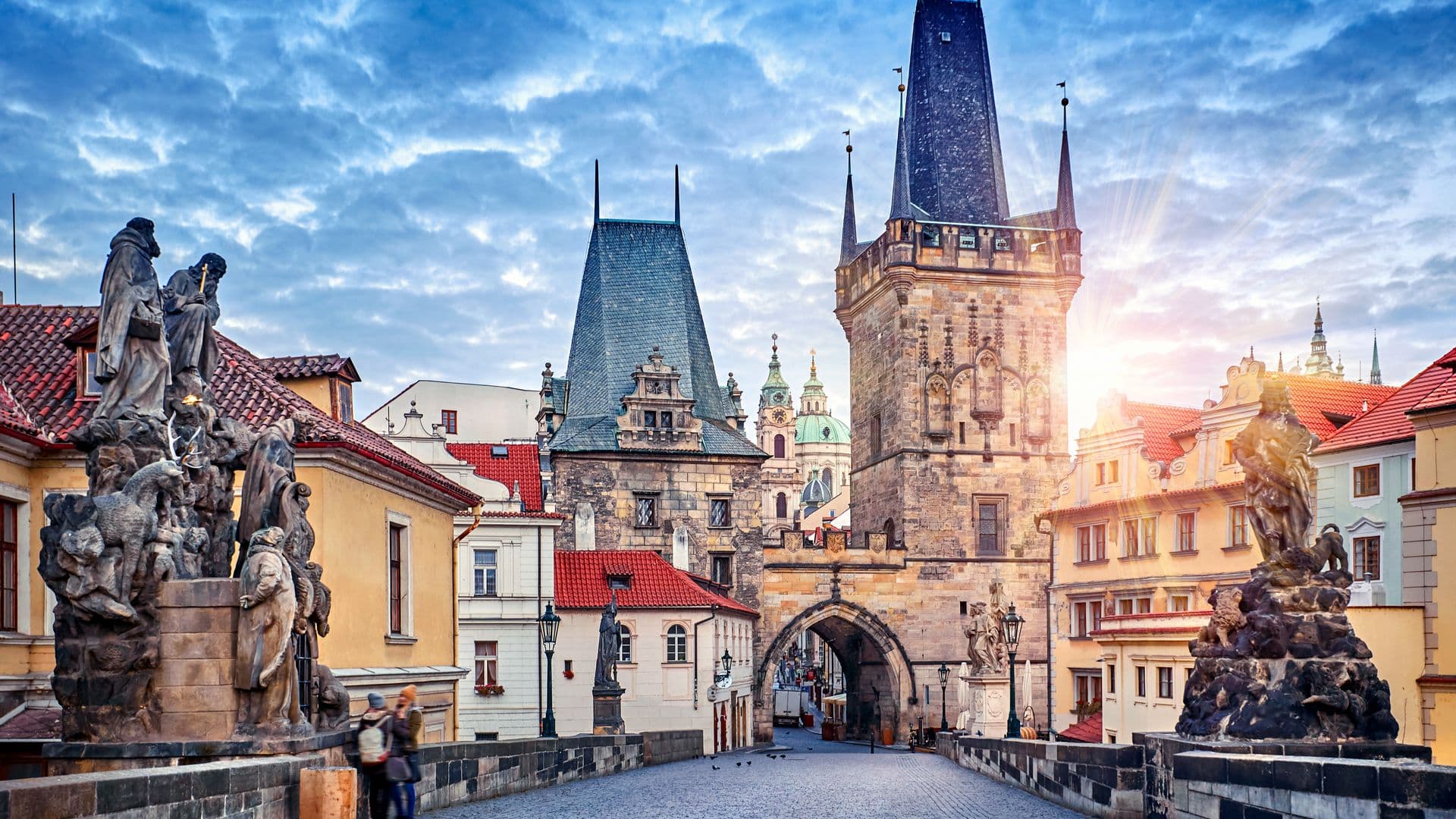
Yes, and it's not close. Prague is one of the best-value destinations in Europe — a medieval city centre that survived both world wars intact, with food and beer at roughly half of what you'd pay in Paris or Rome, a compact layout you can walk in a day, reliable public transport, very low crime, and enough depth to fill a week if you let it. We've guided thousands of visitors here and the overwhelming response is that they wish they'd planned more time.
That's the short answer. The longer answer involves some caveats — because Prague is worth visiting, but the experience varies enormously depending on when you come, where you go, and what you avoid. Here's what we tell friends when they ask.
The Architecture Argument
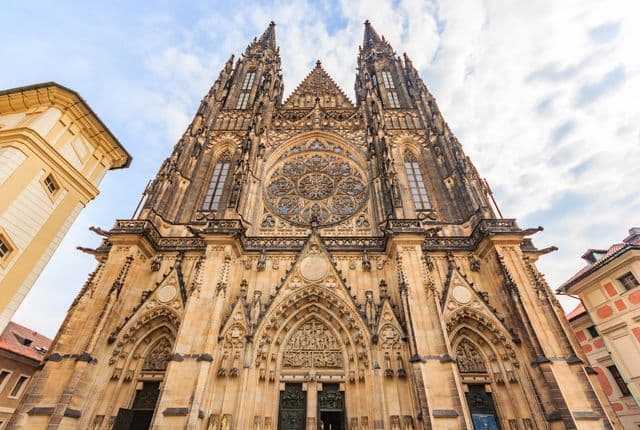
Prague's historic centre is a UNESCO World Heritage Site covering 866 hectares — one of the largest protected urban zones in Europe. The reason is simple: the city was never levelled. No allied bombing, no scorched-earth retreat, no postwar bulldozing for motorways. The result is a streetscape that layers Romanesque foundations, Gothic churches, Renaissance palaces, Baroque facades, Art Nouveau apartment buildings, and Cubist architecture into a single walkable area.
This is not a reconstructed city. Warsaw was rebuilt after the war. Dresden was rebuilt. Prague's Old Town Square, Charles Bridge, Prague Castle, and the Malá Strana district are the originals — 600 to 1,000 years of continuous construction, repair, and layering. For anyone interested in European architecture, there is no city this side of Rome that offers more per square kilometre.
The Cubist architecture is unique worldwide — Prague is the only city with an entire movement of Cubist buildings. The House of the Black Madonna on Celetná and the Cubist lamppost below the Vyšehrad ramparts are details that architecture enthusiasts travel specifically to see.
Food and Beer — Better Than the Reputation
Czech cuisine gets underestimated by visitors who only eat at the tourist restaurants on the Old Town Square. Those places serve mediocre food at inflated prices, and they've done enormous damage to Prague's culinary reputation.
Walk ten minutes in any direction — into Vinohrady, Karlín, Žižkov, or Holešovice — and the picture changes entirely. Prague has an excellent and rapidly evolving food scene. Traditional dishes like svíčková na smetaně (beef sirloin with cream sauce and dumplings) and kulajda (dill and mushroom soup with a poached egg) are genuinely good when prepared properly. The modern restaurant scene runs from Vietnamese-Czech fusion to Scandinavian-influenced tasting menus.
And then there's the beer. The Czech Republic has the highest beer consumption per capita in the world, and the quality of čepované pivo (draft beer) in a good Prague pub is exceptional. A half-litre of Pilsner Urquell or Budvar costs EUR 1.50-2.50 at a local pub — less than a bottle of water at some tourist spots. The craft beer scene has expanded rapidly, but the traditional lager culture remains the backbone.
Insider tip: Order "tankové pivo" (tank beer) wherever you see it advertised. This is unpasteurized lager delivered directly from the brewery in insulated tanks, and it tastes noticeably fresher than the bottled or standard keg version. Lokál, a chain of Czech pubs, serves excellent tank Pilsner at multiple locations around the city.
The Affordability Factor
Prague is significantly cheaper than Western European capitals. A sit-down lunch with beer at a local restaurant runs EUR 8-12. A 72-hour public transport pass is about EUR 13. Museum admissions are typically EUR 5-10. A good mid-range hotel in Vinohrady costs EUR 80-130/night.
This affordability extends to day trips. Train tickets to Český Krumlov, Kutná Hora, or Karlštejn Castle are EUR 5-15 each way. The infrastructure for independent travel is excellent — Czech Railways (ČD) runs frequently and on time, stations are well-signed, and the countryside is beautiful.
The one area where Prague has become expensive is accommodation in the absolute centre — Old Town Square hotels charge Western European prices. But stay one or two metro stops away and the value returns immediately.
Safety — Genuinely Low Crime
Prague is one of the safest capital cities in Europe. Violent crime against tourists is extremely rare. Pickpocketing exists, particularly on the Charles Bridge, in the Old Town Square, and on crowded trams (lines 22 and 9 are the most commonly mentioned), but Prague is not Naples or Barcelona in this regard.
Common-sense precautions are sufficient: front pockets or crossbody bags, awareness on public transport, and avoiding the currency exchange booths that advertise "0% commission" but bury their margins in the exchange rate. Use an ATM from a major bank (Česká spořitelna, ČSOB, Komerční banka) and always decline the "conversion" option — choose to be charged in CZK, not your home currency.
The city feels safe to walk at night. Women travelling solo, families with children, elderly visitors — we see all of them exploring independently without issues, even in less central neighbourhoods.
Honest Downsides — What to Know
Crowds on Charles Bridge
Charles Bridge with 10,000 other people is not the experience it should be. In July and August, between 10 AM and 6 PM, the bridge is a slow-moving human traffic jam. The solution is timing: cross before 8 AM or after 9 PM, when the bridge is genuinely magical — the Castle lit up, the statues in silhouette, the river reflecting the lights of the Old Town.
Overtourism in the Centre
The square kilometre around the Old Town Square and Charles Bridge absorbs the vast majority of Prague's tourist traffic. This creates a distorted impression — visitors who never leave this zone sometimes conclude that Prague is nothing but souvenir shops and overpriced restaurants. It's like judging London by Leicester Square. Step outside the tourist kilometre and Prague is a functioning, relatively affordable European city where 1.3 million people live their actual lives.
The Trdelník Situation
Trdelník — the cinnamon-sugar chimney cake sold at every tourist corner — is not a traditional Czech food. It's of Slovak and Hungarian origin and appeared in Prague's tourist zones in the 2000s. It's fine as a snack, but marketing it as "traditional Old Czech pastry" is dishonest. If you want actual Czech pastry, look for koláče (fruit-filled pastries), větrník (choux cream puffs with caramel), or buchty (filled buns) at a real bakery.
Winter Weather
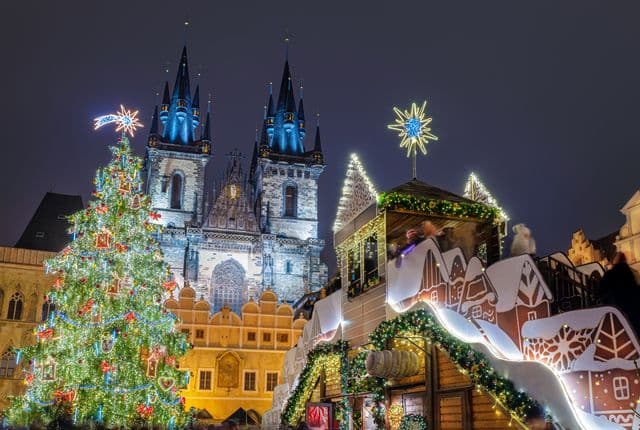
November through February in Prague is cold, grey, and dark. Temperatures hover around freezing, daylight ends by 4 PM, and the city can feel bleak on overcast days. December is redeemed by the Christmas markets, but January and February are Prague's weakest months for casual visitors. Spring (April-May) and autumn (September-October) are the best times — mild weather, manageable crowds, and good light for photography.
Day Trips — The Value Multiplier
Prague's position in central Bohemia makes it an excellent base for day trips, and this is where the "is it worth visiting" question gets an easy answer.
Český Krumlov — a medieval town in southern Bohemia that looks like it was designed for a film set. Reachable in 2.5 hours by bus, and our private Český Krumlov tour covers the castle, the old town, and the stories that make the architecture meaningful.
Kutná Hora — silver mines, the Sedlec Ossuary (the "bone church"), and a Gothic cathedral that rivals any in the country. One hour by train.
Karlštejn Castle — a 14th-century fortress built by Emperor Charles IV to guard the crown jewels, perched on a forested hilltop 30 minutes from Prague by train.
A private guide makes all the difference when exploring this part of Prague.
Each of these day trips costs very little in transport and adds an entirely different dimension to a Prague visit.
Who Prague Is Best For
Architecture and history enthusiasts: The density of significant buildings, the layered history, and the survival of the original fabric make Prague exceptional.
Couples: The city is naturally romantic without trying to be — cobblestone streets, river views, candlelit restaurants in medieval cellars. Our guide to the best things to do in Prague covers the highlights.
Budget-conscious travellers: Prague delivers a high-quality European capital experience at roughly half the cost of Paris, Amsterdam, or Copenhagen.
Beer enthusiasts: There is no better city in the world for lager. Full stop.
Families: Prague is safe, walkable, and full of things that interest children — the Castle, the Astronomical Clock, the river, the funicular to Petřín Hill.
Solo travellers: The city is easy to navigate independently, safe, and the cafe and pub culture makes it natural to sit alone without feeling out of place.
How Many Days in Prague?
One day: You'll see the highlights — Old Town, Charles Bridge, Prague Castle — but it will feel rushed. Our one-day itinerary can help you make the most of it.
Two days: Comfortable for the historic centre with time for a good lunch and a proper evening.
Three days: The sweet spot. Two days for the city, one for a day trip or a deeper neighbourhood exploration.
Four to five days: Ideal. You can explore beyond the centre, take two day trips, visit museums at a relaxed pace, and actually sit in a pub long enough to order a second beer.
Exploring Prague With a Private Guide
The difference between a good Prague visit and a great one is often context. The buildings are beautiful on their own, but understanding who built them, why, and what happened inside — that's what turns a walk into a story.
On our All Prague in One Day private tour, we cover the Old Town, Charles Bridge, Malá Strana, and Prague Castle with a licensed guide who knows which corners matter. Exclusively yours, with your own guide — and the pace is yours.
For a quintessentially Prague evening, a medieval dinner at U Pavouka puts you in a 15th-century vaulted tavern with food, beer, and live period entertainment — the kind of experience that only exists in cities with 600 years of continuous tavern culture.
Browse all our private tours in Prague.
Planning Resources
Once you have decided Prague is worth the trip, the next question is how to shape your visit. Whether you are travelling solo and want practical safety tips, or you are looking for the best shopping streets and local markets, these guides will help you plan the details.
- Prague for solo travelers -- safety, social life, and itinerary ideas
- Prague shopping guide -- where to find the best deals and local products
Prague is absolutely worth the trip, but how you explore it makes all the difference between a forgettable stopover and a highlight of your year. Walking the city solo is lovely, yet a surprising amount of its history hides behind unmarked doors and in stories only a local knows. If you are considering a guided tour, our honest breakdown of costs versus value will help you decide whether it fits your travel style and budget.
Frequently Asked Questions
Is Prague worth visiting for just one day?
Yes, though two or three days are better. In one day you can walk the Old Town, cross Charles Bridge, and tour Prague Castle — the core historic triangle. A private guide makes the difference between a rushed sightseeing checklist and a coherent experience. Start early to beat the crowds.
Is Prague too touristy?
The square kilometre around the Old Town Square and Charles Bridge is heavily touristed, especially in summer. The rest of Prague — Vinohrady, Karlin, Holesovice, Zizkov, Mala Strana's back streets — is not. Most visitors never leave the tourist zone, which means you can escape it easily just by walking ten minutes in any direction.
Is Prague cheap compared to Western Europe?
Yes, significantly. Restaurant meals, beer, public transport, and museum admissions are roughly 40-60% cheaper than Paris, London, or Amsterdam. Hotel prices in the absolute centre have risen to Western European levels, but staying one metro stop away restores the value. The Czech Republic uses the koruna (CZK), not the euro.
When is the best time to visit Prague?
April-May and September-October offer the best combination of mild weather, manageable crowds, and good light. Summer (June-August) is warmest but most crowded. December has Christmas markets. January-February is cold and grey — the weakest period for casual visitors.
You May Also Like
Want to see Prague for yourself?
Take our flagship Prague tour-6-640x430.jpg&w=3840&q=75)