Kutná Hora & the Bone Church: The Complete Day Trip Guide from Prague
A Kutná Hora day trip from Prague is one of the most extraordinary excursions in the Czech Republic — and not only because of the Bone Church, extraordinary as it is.
Seventy kilometres east of Prague, Kutná Hora was once one of the most powerful cities in Central Europe. Its silver mines funded empires. Its Gothic cathedral rivals anything in Bohemia. And in a small chapel on its outskirts, the bones of 40,000 people have been arranged into some of the most remarkable — and unsettling — art you will ever see.
Here is everything you need to know before you go.
A city built on silver
The story of Kutná Hora begins in 1260, when silver was discovered in the hills east of Prague. What followed was one of the great medieval boom towns of Europe. Within decades Kutná Hora had become the second richest city in the Czech lands after Prague — its mines the deepest in the world, its silver exported across one-third of Europe, its royal mint producing the Prague groschen, the most important currency in Central Europe for two centuries.
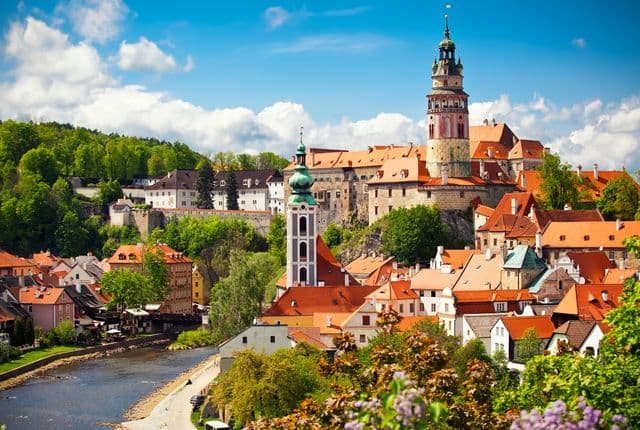
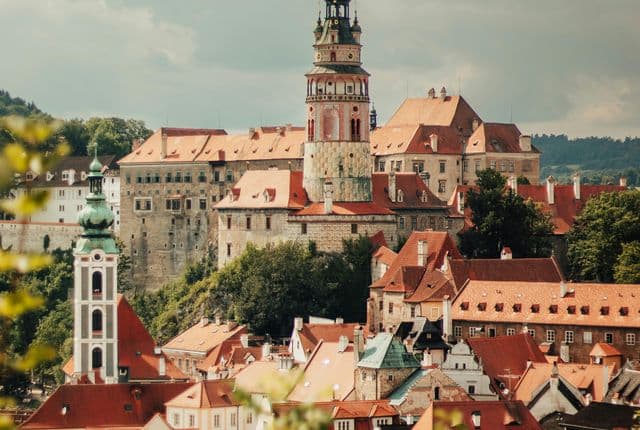
The wealth is still visible today. The medieval street plan is almost unchanged. The stone fountains, the Gothic churches, the Italian Court where the mint once operated — all preserved in remarkable condition, because after the silver ran out there was no money to rebuild. The city froze at the height of its medieval prosperity, and has barely thawed since.
In 1995 Kutná Hora was designated a UNESCO World Heritage Site.
St. Barbara's Cathedral
The most dramatic monument to Kutná Hora's silver wealth is St. Barbara's Cathedral — the Gothic masterpiece begun in 1388 and not completed until the early 20th century, five centuries later. Named after the patron saint of miners, it was funded by the mining guilds rather than the Church or the crown, which gives it a distinctive character: this is a monument to the people who dug the silver out of the earth, not to the rulers who spent it.
The cathedral is one of the finest Gothic buildings in Central Europe. Its soaring flying buttresses, its ribbed vaulted ceiling, its 15th-century frescoes depicting scenes from the lives of the miners — all of it on a scale that is genuinely breathtaking. Standing inside for the first time, most visitors simply stop and look up.
St. Barbara's Cathedral is a UNESCO World Heritage Site and open to visitors throughout the year.
The Bone Church — the Sedlec Ossuary
In 1278 the abbot of the Sedlec Cistercian monastery, returning from a pilgrimage to Jerusalem, scattered a small amount of holy soil from Golgotha over the monastery cemetery. Word spread quickly. Sedlec became one of the most sought-after burial sites in Central Europe — people travelled from across Bohemia to be buried in holy ground.
Then came the Black Death in the 14th century. Then the Hussite Wars in the 15th. Tens of thousands of bodies filled the cemetery until there was simply no more room. Around 1400 a Gothic ossuary chapel was built at the centre of the graveyard, and the exhumed bones were stacked inside.
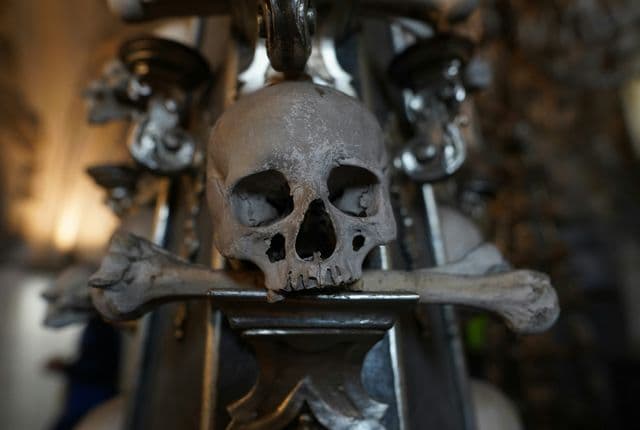
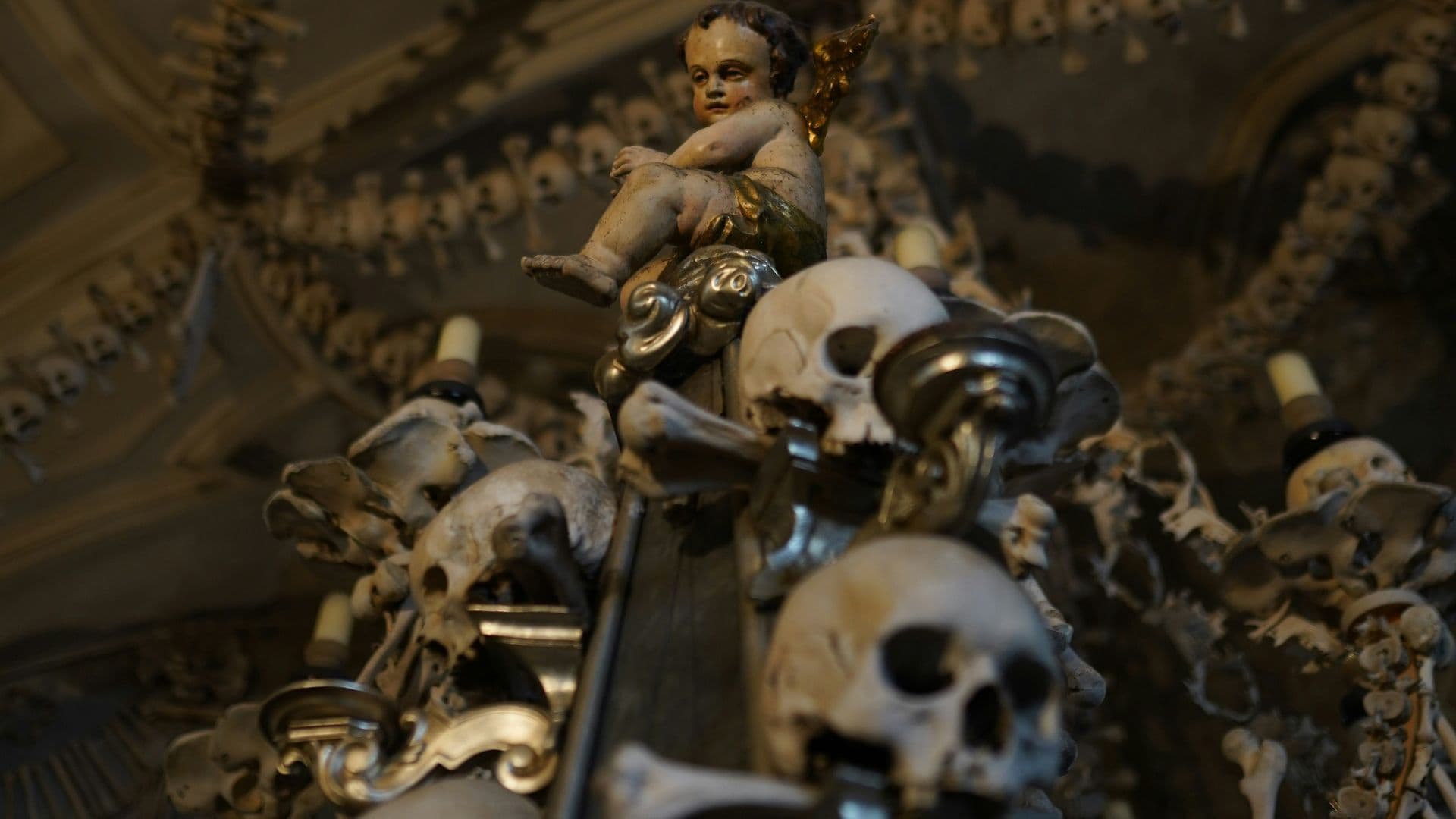
The chapel might have remained a simple charnel house. But in 1870, the Schwarzenberg family — who had taken over patronage of the church — commissioned a woodcarver named František Rint to arrange the bones decoratively. What Rint created has been drawing visitors ever since.
A chandelier hanging from the centre of the nave, containing at least one of every bone in the human body. Garlands of skulls draped across the vaulted ceiling. A coat of arms of the Schwarzenberg family, executed entirely in bone. Rint even signed his own name in bone on the wall.
The Sedlec Ossuary is estimated to contain between 40,000 and 70,000 sets of remains. It draws over 200,000 visitors a year, making it one of the most visited attractions in the Czech Republic.
This day trip is best with a guide who handles the logistics and storytelling. Meet our team.
Is it macabre? Yes. Is it disturbing? For some. Is it extraordinary? Without question. Most visitors come expecting a curiosity and leave having experienced something genuinely moving — a meditation on mortality that is unlike anything else in Europe.
Practical information
Getting there: Kutná Hora is approximately 70 kilometres from Prague — about one hour by private car. By train the journey takes around an hour from Prague's main station. Note that the Bone Church and the main town centre are several kilometres apart and not easily walkable between without a car or local bus.
What to see: The Sedlec Ossuary (Bone Church) and St. Barbara's Cathedral are the two essential stops. Allow at least 30 minutes at the ossuary and an hour at the cathedral. The Italian Court, the medieval town centre and the Stone Fountain are all worth exploring on foot.
Opening hours: Both the Bone Church and St. Barbara's Cathedral are open year-round, with reduced hours in winter. Check current times before you visit.
How long do you need? A full day — 6 hours — is ideal. This gives you time to see the Bone Church, St. Barbara's Cathedral, the town centre and have a proper lunch at a local restaurant.
Why go with a private guide
The Bone Church looks like a strange room full of bones until someone explains what you are actually looking at — who these people were, why they are here, what František Rint was trying to express and why the Schwarzenberg coat of arms is made from human remains. Context transforms a memorable visit into something that genuinely changes how you think about the Middle Ages.
St. Barbara's Cathedral tells the same story in reverse — a monument to the living rather than the dead, built by miners who wanted something that would outlast their silver. Without a guide, most visitors admire the architecture and move on. With one, they understand what they are looking at.
Our private Kutná Hora day trip from Prague includes door-to-door transport from your hotel, a licensed guide for the full day and everything at your own pace. The tour can be combined with a visit to Český Šternberk Castle — one of Central Europe's oldest inhabited castles — for a day that covers six centuries of Bohemian history in a single sweep.
Frequently asked questions
How far is Kutná Hora from Prague? Approximately 70 kilometres — around one hour by private car. Our private day trip includes hotel pickup and drop-off, so there is nothing to arrange on your end.
Is the Bone Church suitable for children? Children generally find it fascinating rather than frightening — it is more extraordinary than gory. Parents should use their own judgement based on their child's age and sensitivity. Most children aged 8 and above handle it well.
Do I need to book tickets in advance? Tickets to the Bone Church and St. Barbara's Cathedral can be purchased on site. In high season the ossuary can get busy — arriving early in the day is advisable.
Can I visit Kutná Hora independently? Yes — by train from Prague or by car. The challenge is that the Bone Church and the town centre are several kilometres apart, which makes getting between them more complicated without a car. A private tour handles all logistics and adds the context that makes the visit genuinely meaningful.
What else is near Kutná Hora? Český Šternberk Castle is a short drive away — one of the oldest continuously inhabited castles in Central Europe, home to the same family since 1241. The two destinations combine naturally into a single day trip from Prague.
Planning your trip? See our day trips from Prague for details.
Planning your trip? See our Prague tour prices for details.
Want to see Prague for yourself?
Tour Kutná Hora and the Bone Church