Prague Zoo — One of the Best in Europe and Locals Know It
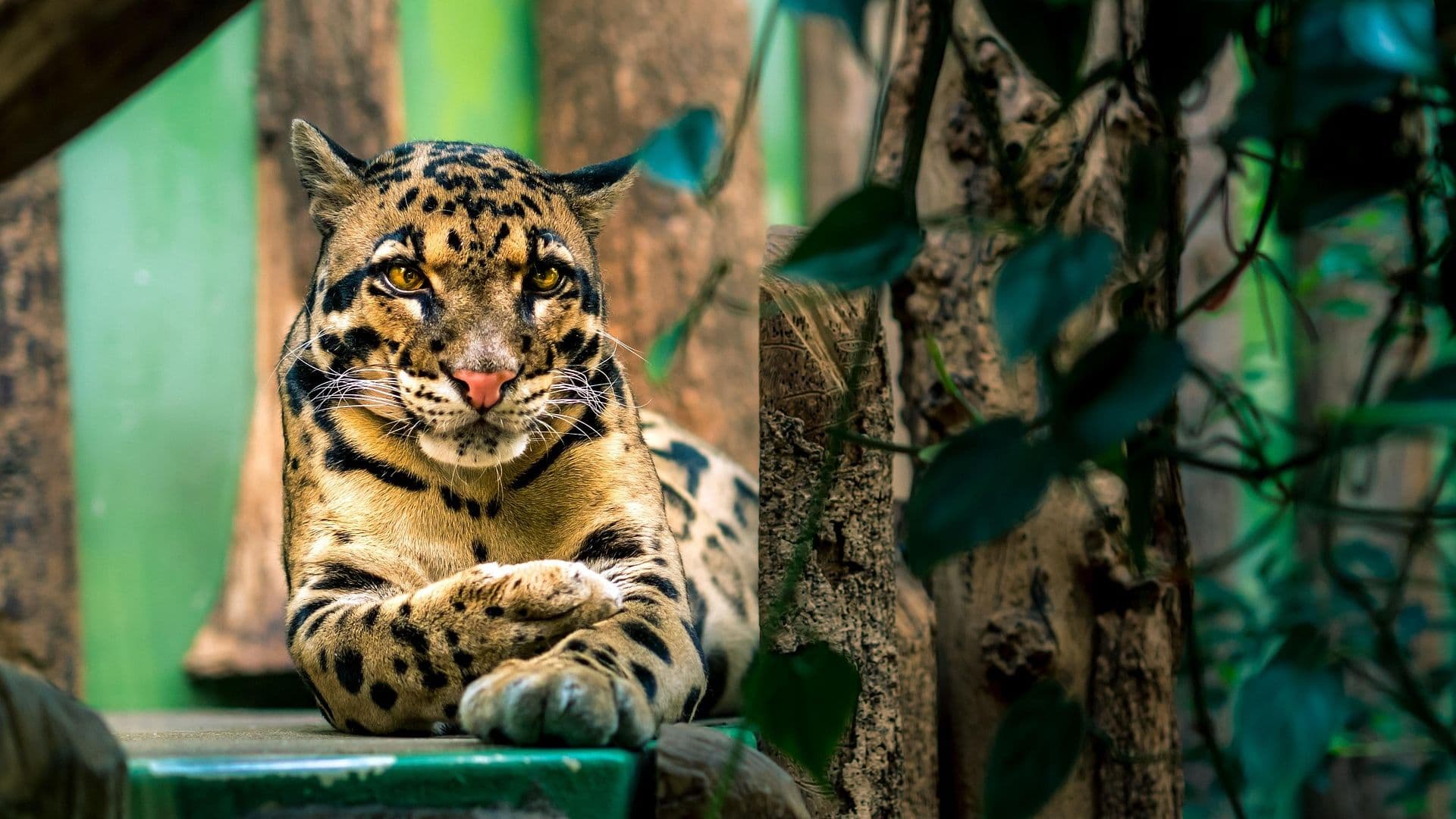
Most tourists come to Prague for the architecture and history. They don't expect to find one of the best zoos in the world here. But Prague Zoo consistently ranks among the top five zoos globally — Forbes Travel named it the seventh-best in the world, and it regularly appears near the top of European rankings.
We bring families here often, especially those travelling with children who need a break from castles and cobblestones. What surprises our guests most is the scale. This is not a compact city zoo. It covers 58 hectares of hilly, forested terrain in the Troja valley, and walking the full circuit takes most of the day.
Why Prague Zoo Ranks So High
Prague Zoo opened in 1931 and has quietly built one of the most respected conservation programmes in Europe. The zoo played a central role in saving the Przewalski's horse from extinction — breeding the animals in Prague and reintroducing them to the Mongolian steppe. That programme alone earned international recognition.
But rankings also reflect visitor experience. The enclosures here are designed around natural habitats rather than concrete cages. Animals have space. The landscaping follows the natural hillside terrain, so you walk through valleys and along ridges rather than past uniform rows of pens. The effect is closer to a nature reserve than a traditional zoo.
The Indonesian Jungle Pavilion
The showpiece is the Indonesian Jungle — the largest indoor tropical exhibit of its kind in Europe. You enter through heavy doors into a wave of heat and humidity. Inside, the temperature stays above 30°C year-round, even when Prague outside is below freezing.
The pavilion recreates a multi-level tropical forest. Komodo dragons patrol the lower level — the largest species of lizard in the world, and seeing one move at close range is genuinely startling. Above them, gibbons swing through the canopy, and Indonesian river fish circle in pools below transparent walkways.
Our guests with children consistently name this pavilion as the highlight. In winter, it doubles as a welcome escape from the cold. In summer, bring a water bottle — the humidity is real.
The Great Apes
Prague Zoo has a long history with gorillas. The western lowland gorilla family here is one of the most successful breeding groups in European zoos. Watching the silverback interact with the younger members of the troop through the glass is one of those moments that stops adults and children equally.
The orangutan exhibit opened more recently and uses a more open design. The animals have access to an outdoor area with climbing structures and ropes, and on warm days they sit close enough that you can see the texture of their hands. The keeper talks, when scheduled, add a layer of understanding about their behaviour and intelligence.
Galápagos Tortoises and Other Residents
The Galápagos giant tortoises are another standout. Prague Zoo is one of the few European institutions to house them, and these animals live for well over a century. Their enclosure is warm and enclosed, and they move with a deliberation that children find hypnotic.
Beyond the headline species, the zoo holds over 4,800 animals across nearly 700 species. The African House has elephants and giraffes in spacious enclosures with outdoor viewing platforms. The bird valley is a walk-through aviary where species fly freely around you — including several you won't see anywhere else in Central European zoos. The seal pool has feeding times that draw crowds — arrive ten minutes early for a good viewpoint along the railing.
The polar bears have a large enclosure with an underwater viewing gallery where you can watch them swim past the glass. The experience is particularly popular with children, though adults tend to stay just as long. The glass panels give a perspective on the animals' size and power that surface viewing cannot match.
The children's zoo is tucked into the lower part of the grounds. It's a genuine working farmyard where children can touch goats, sheep, and ponies. For families with younger children, this area alone can occupy an hour. There's a playground nearby that's better maintained than most in Prague, with climbing structures designed to echo the zoo's animal habitats.
The 2002 Flood — A Story Locals Still Remember
In August 2002, the Vltava flooded catastrophically. Prague Zoo sits in a low valley directly beside the river, and the waters rose with devastating speed. Staff had hours — not days — to evacuate thousands of animals. They saved most, moving creatures to higher ground and other facilities in a frantic overnight operation.
But not all survived. A sea lion named Gaston became a symbol of the disaster when he escaped and was later found swimming in the flooded streets of Prague. The elephant Kadíra was moved to safety just before the water reached her enclosure. The zoo lost its seal population and sustained massive infrastructure damage.
The flood marks are still visible inside the zoo. Near the lower entrance, plaques show how high the water reached — above the doorframes of some buildings. The rebuilding took years and millions of crowns, but it also triggered a wave of public support. Locals donated funds, volunteered for cleanup, and Prague Zoo emerged from the disaster modernised and expanded.
When we walk through Troja with our guests, pointing out the flood marks always changes the conversation. It turns the zoo from a pleasant afternoon into a story about the city's relationship with its river — and the community effort that rebuilt the place.
Getting There
Prague Zoo is in the Troja district, about 20 minutes north of the city centre. Getting there is straightforward but not immediately obvious, since there's no metro station at the zoo.
The most common route is a bus from Nádraží Holešovice metro station (Red Line C). The ride takes about ten minutes and drops you near the main entrance. In summer, a steamboat runs from the city centre up the Vltava to Troja — it's slower, but the river approach gives you views of the valley before you arrive.
Parking is available but fills quickly on weekends and holidays. If you're driving, arrive before 10 AM or expect to park further away.
From the zoo, it's a short walk to Troja Château — a 17th-century baroque palace with formal French gardens and a gallery. Most visitors skip it, but the gardens are beautiful, free to enter, and nearly empty compared to the zoo. The combination of zoo and château makes a full day trip to Troja that few tourist itineraries include.
When to Visit
Weekdays during school term are the quietest. Weekends — especially Saturdays — are popular with Prague families. The zoo is open year-round, and winter has its advantages: the indoor pavilions are less crowded, and animals like the red pandas and snow leopards are visibly more active in cold weather.
Spring and autumn offer the best balance of comfortable temperatures and manageable crowds. Summer is busy but the grounds are large enough that it rarely feels packed outside the main pathways.
A private guide makes all the difference when exploring this part of Prague.
We usually recommend allowing four to five hours minimum. Families with children often spend the full day and still don't see everything.
What Most Visitors Miss
A few things we've noticed over years of bringing guests here. The chairlift that runs across the hillside gives an aerial view of the grounds and saves energy on the steepest section — but many visitors walk right past the station without realising it exists. The ride takes about five minutes each way and offers a perspective on the valley that you can't get from the paths.
The vine-covered terrace restaurant near the upper section serves surprisingly decent Czech food for a zoo — real svíčková, grilled meats, fresh salads. Most visitors eat at the fast-food stands near the entrance and miss it entirely. And the botanical section in the upper valley, with native Czech plants and a herb garden, is almost always empty. It's a quiet counterpoint to the crowds around the big animal houses.
The penguin house at the lower end of the grounds is another underappreciated spot. The Humboldt penguins have an outdoor pool where they swim in loops that children can watch for long stretches without getting bored. The feeding times draw a crowd, but outside those windows the enclosure is calm and uncrowded.
One more thing: the valley bottom path along the stream that runs through the zoo grounds is the most peaceful route through the park. Most visitors follow the main circuit along the ridgeline. The valley path passes through shaded woodland, crosses small bridges, and connects the lower enclosures in a sequence that feels like walking through a forest rather than visiting a zoo.
Coming Soon: Arctic Pavilion (Opening 2028)
Prague Zoo — already ranked among the top zoos in the world by TripAdvisor and Forbes — is preparing its most ambitious expansion in years: the Arctic Pavilion (Arktický pavilon), a major new exhibit focused on the ecosystems of the Arctic and sub-Arctic regions. The planned opening is 2028, though construction timelines for projects of this scale can shift.
What we know so far:
The pavilion will be dedicated to species adapted to polar and northern climates, complementing the zoo's existing strengths in temperate and tropical biodiversity. Prague Zoo has a strong track record with cold-climate species — its polar bear exhibit and the successful breeding of Przewalski's horses (the zoo coordinated the international return-to-the-wild programme) demonstrate the kind of expertise the Arctic Pavilion aims to expand on.
The project is part of a broader master plan for Prague Zoo's development through 2030, which includes improved visitor flow, new educational facilities, and expanded habitats. The zoo has been steadily investing in modern, naturalistic enclosures — the Indonesian Jungle (Rákosův pavilon), opened in 2022, set a new standard with its immersive tropical environment housing Komodo dragons, orangutans, and Indian gharials under a single glass dome.
Why this matters for visitors planning ahead:
If you're visiting Prague with children in 2028 or later, the Arctic Pavilion will add another compelling reason to spend a full day at the zoo. Even now, Prague Zoo easily fills 4-6 hours — the grounds cover 58 hectares across a hillside valley in Troja, and the combination of animals, playgrounds, a chairlift across the grounds, and the adjacent Troja Chateau and botanical garden makes it a complete family day out.
Getting there: The zoo is in Prague 7 (Troja), reachable by bus 112 from Nádraží Holešovice metro station (15 minutes). In summer, a zoo ferry boat runs from Rašínovo nábřeží in the city centre — a scenic approach that kids love.
Current status note: As of early 2026, the Arctic Pavilion is in the planning and design phase. We will update this section as construction milestones are confirmed by the zoo.
Experience It With a Private Guide
Prague Zoo deserves a day, but it sits outside the usual tourist circuit. On our All Prague in One Day private tour, we can include the Troja valley as an alternative route — combining the zoo visit with the château and river views that most visitors never see.
For families, pairing a morning at the zoo with an evening at the Medieval Dinner Show gives children (and adults) a day that covers both animals and sword-fighting in a candlelit cellar.
Browse all our private tours in Prague.
Frequently Asked Questions
How long should I spend at Prague Zoo?
Plan for at least four to five hours to see the main exhibits comfortably. Families with children often spend a full day. The grounds are hilly and spread over 58 hectares, so comfortable shoes are essential.
Is Prague Zoo good for young children?
Very. The children's zoo with farm animals, multiple playgrounds, and the Indonesian Jungle Pavilion all work well for young visitors. The chairlift across the hillside is also a hit with children of all ages.
How do I get to Prague Zoo from the city centre?
The easiest route is metro Line C to Nádraží Holešovice, then a short bus ride to the zoo entrance. In summer, a steamboat runs from the city centre up the Vltava directly to Troja.
Is Prague Zoo open in winter?
Yes, the zoo is open year-round. Winter is actually a good time to visit — the indoor pavilions like the Indonesian Jungle are warm, crowds are smaller, and cold-weather animals are more active. Some outdoor exhibits may have reduced hours.
You May Also Like
Want to see Prague for yourself?
Take our flagship Prague tour-6-640x430.jpg&w=3840&q=75)