Vltava River Prague — The River That Shaped the City
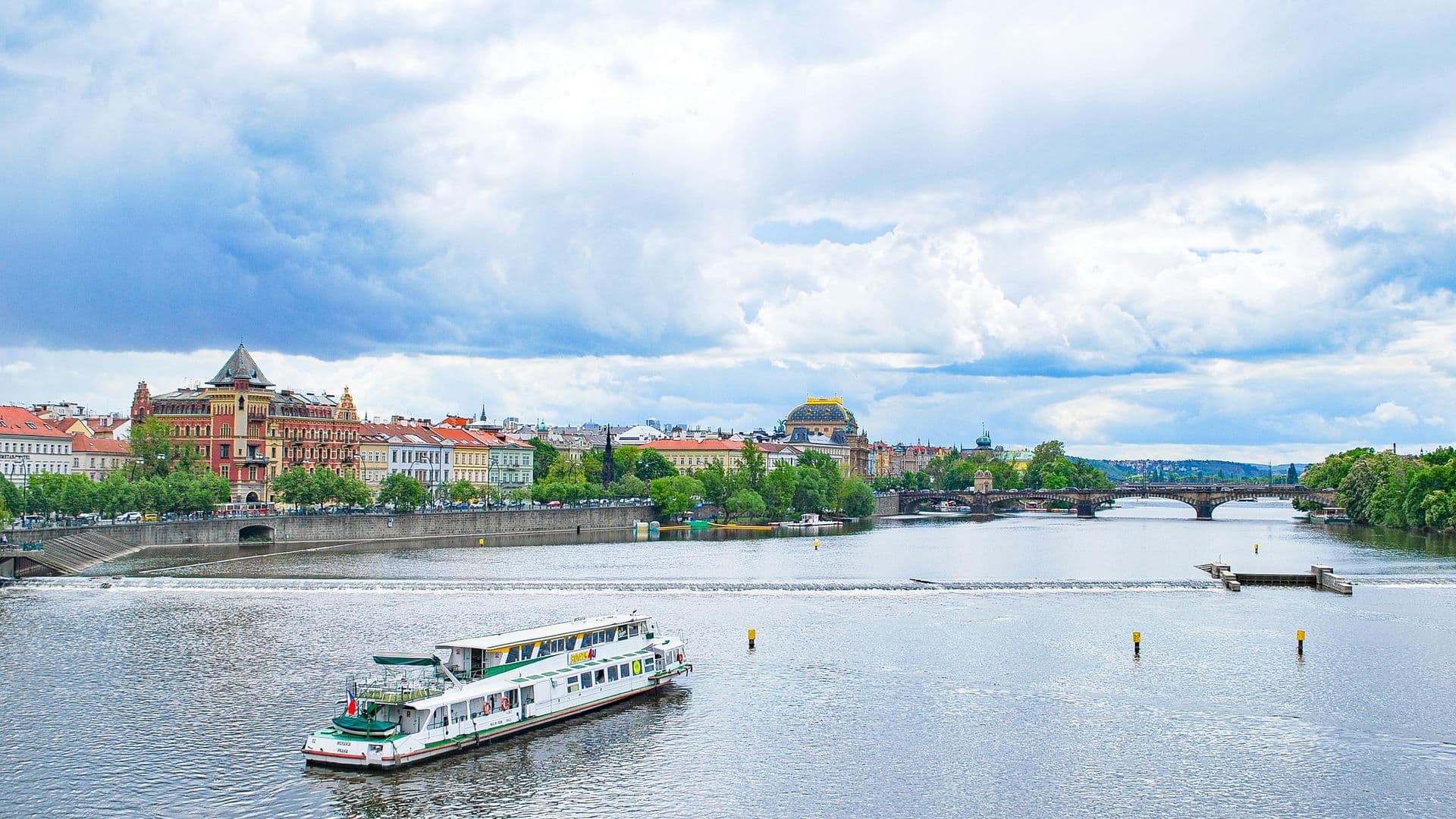
Prague without the Vltava is unthinkable. The river doesn't just flow through the city — it defined where Prague was built, how it grew, and what it became. Every major moment in Czech history happened within sight of this water. Bedřich Smetana composed an entire symphonic poem about it. The 2002 flood nearly destroyed parts of the city beside it.
We cross the Vltava almost every day with our guests, and the river looks different each time — different light, different water level, different mood. Here is what makes it worth more than a glance from Charles Bridge.
Smetana's Vltava — The Music You Already Know
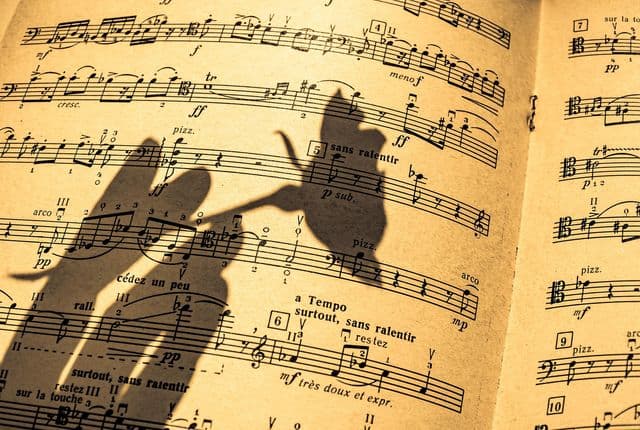
You've heard the Vltava even if you don't know it. Bedřich Smetana's symphonic poem "Vltava" (the second movement of Má vlast — "My Homeland") follows the river from two small springs in the Šumava mountains through the Bohemian countryside, past castles and villages, through the rapids of St. John, and into Prague. The melody is one of the most recognised pieces of classical music in the world.
Smetana composed it in 1874, already going deaf. The piece was part of a cycle celebrating Czech landscape and history, and "Vltava" became its emotional centre. Today it's played at the opening of every Prague Spring international music festival in May — performed in the Smetana Hall of the Municipal House, a few hundred metres from the river itself.
Standing on any of Prague's bridges while knowing this piece changes the view. The water moves at exactly the tempo Smetana captured.
The River's Islands
The Vltava in central Prague isn't a single channel. It splits around several islands, each with its own character, and most visitors only know about one of them.
Kampa is the most famous — separated from Malá Strana by the narrow Čertovka channel (sometimes called "Prague's Venice," though the comparison flatters Venice). Kampa's park is one of the loveliest green spaces in the city: riverside benches under old trees, the David Černý baby sculptures crawling up the hillside, and views of Charles Bridge from below. On summer evenings, locals sit on the grass with wine and watch the swans.
Střelecký ostrov (Shooters' Island) sits in the middle of the river near the National Theatre. Named for the medieval marksmen who used it as a practice range, it's now a quiet park with a café and a small beach. During summer festivals, it hosts outdoor cinema and concerts. Our guests who discover it are usually surprised that something this peaceful exists so close to the Old Town.
Slovanský ostrov (Slavic Island) is home to the yellow neo-Renaissance Žofín Palace, which has hosted balls and concerts since the 1830s. Dvořák, Liszt, and Berlioz all performed here. The island itself is small — you can walk around it in ten minutes — but the combination of the palace, the riverside, and the chestnut trees makes it one of the most atmospheric spots in Prague.
Čertovka — The Devil's Channel
The Čertovka channel that separates Kampa Island from the mainland is barely wide enough for two boats to pass. The name means "Devil's Stream" — according to legend, a woman with a fierce temper lived on its banks and was nicknamed the she-devil by her neighbours.
The channel is fed by a medieval mill race, and the Grand Priory Mill water wheel still turns at the northern end. It's a modern reconstruction of a wheel that stood here for centuries, and watching it turn beside centuries-old walls while tour boats squeeze past is one of those Prague moments that feels like it belongs to a different era.
Walking along the Čertovka from Kampa toward the river is one of our favourite short routes with guests. The alley is narrow, the buildings lean in, and the water runs just below street level. In winter, when steam rises from the surface, the atmosphere is remarkable.
The 2002 Flood
In August 2002, the Vltava rose to levels not seen in over 500 years. The flood devastated the riverbanks. Kampa Island was submerged. The metro system flooded. Entire neighbourhoods in Karlín and Holešovice were underwater for days.
Flood marks throughout the city show how high the water reached. On the Kampa side of Charles Bridge, the marks are above head height. Near the Rudolfinum, water entered the ground floor. The zoo in Troja, sitting in the river valley, was catastrophically hit.
The flood reshaped Prague's relationship with the Vltava. Flood barriers were built. Buildings were waterproofed. Insurance maps were redrawn. But the marks remain — small plaques and lines on walls throughout the river district. We point them out to our guests because they tell a story that the beautiful surface of the city doesn't reveal on its own.
Náplavka — The Riverside That Locals Claimed
The Náplavka embankment on the New Town side, between Palacký Bridge and the Railway Bridge, was once just a concrete riverbank used for loading freight. Over the past decade, locals transformed it into one of Prague's most popular gathering spots.
On Saturday mornings, the farmers' market fills the embankment — seasonal Czech produce, local cheeses, smoked meats, freshly baked bread, craft beer from small breweries. It's one of the few markets in Prague that exists for locals rather than tourists, and the quality reflects it.
On warm evenings, Náplavka becomes an informal outdoor bar. The riverside fills with people sitting on the walls, drinking beer from the small boats moored along the bank that serve as floating bars. The atmosphere is relaxed and distinctly local — no tour groups, no souvenir stands, just Praguers enjoying their river.
We often suggest Náplavka to guests looking for something beyond the historic centre. It's a 15-minute walk from Charles Bridge, but it feels like a different city.
A private guide makes all the difference when exploring this part of Prague.
Pedal Boats and River Cruises
The Vltava offers two very different experiences on the water. Pedal boats (šlapadla) are available for rent near Slovanský ostrov and on the Kampa side. They're slow, slightly silly, and give you a perspective on the city that no bridge can match — floating under the arches of Charles Bridge and looking up at the statues from below.
River cruises run regularly from docks near Čechův Bridge and below Charles Bridge. The quality varies. Short lunch and dinner cruises offer decent food with a moving panorama of the city. The evening cruises after sunset, when the castle and bridges are illuminated, give the best visual experience.
For something different, the steamboat to Troja runs in summer and follows the river north past Holešovice to the zoo and botanical gardens. It's a slower way to travel, but the river narrows and greens as you leave the centre, and the approach to Troja from the water is worth the extra time.
The Bridges
Prague has eighteen bridges crossing the Vltava within the city limits, but the central stretch between Vyšehrad and Letná is where the greatest concentration of architectural styles appears in a single view.
Stand on Mánesův most (Mánes Bridge) and look south. You'll see Charles Bridge in the foreground, then the arches of Legion Bridge, the iron Railway Bridge, Palacký Bridge, and in the distance the modern cables of Barrandov Bridge. Gothic, neo-Renaissance, Art Nouveau, industrial, and contemporary — all visible from one point.
Charles Bridge gets all the attention, but Čechův most (Čech Bridge) — the shortest and widest of Prague's bridges, in ornate Art Nouveau style with bronze lamps and allegorical sculptures — is architecturally striking and almost always uncrowded. On our Charles Bridge and Old Town private tour, we often use Čechův most for the approach to the Old Town — fewer people, better photographs.
Experience It With a Private Guide
The Vltava connects everything in Prague — the castle above, the Old Town beside it, the New Town stretching south. On our All Prague in One Day tour, we follow the river between districts and use the bridges to shift between centuries of architecture and history.
For an evening on the water's edge, the Medieval Dinner Show takes place in vaulted cellars that were built when the Vltava was Prague's main transport artery.
Browse all our private tours in Prague.
Frequently Asked Questions
Can you swim in the Vltava River in Prague?
Swimming in the Vltava within the city centre is not recommended due to currents and boat traffic. However, organised open-water swimming events take place annually, and designated swimming areas exist further upstream outside the city.
What is the best way to see the Vltava?
Walking along the riverbanks gives the most varied experience. For a different perspective, rent a pedal boat near Slovansky ostrov or take an evening river cruise when the castle and bridges are illuminated. Each bridge offers a distinct viewpoint.
When is the Naplavka farmers market?
The Naplavka farmers market operates on Saturday mornings, typically from early morning until early afternoon. It runs from spring through autumn, with occasional winter editions. The market stretches along the New Town embankment between Palacky Bridge and the Railway Bridge.
Did the Vltava flood in Prague?
Yes. The most devastating flood in modern history occurred in August 2002, when the river reached levels not seen in 500 years. Kampa Island, the metro system, and several neighbourhoods were submerged. Flood marks throughout the city show how high the water reached.
You May Also Like
Want to see Prague for yourself?
Take our flagship Prague tour-6-640x430.jpg&w=3840&q=75)