Terezín Memorial: A Complete Guide for Visitors from Prague
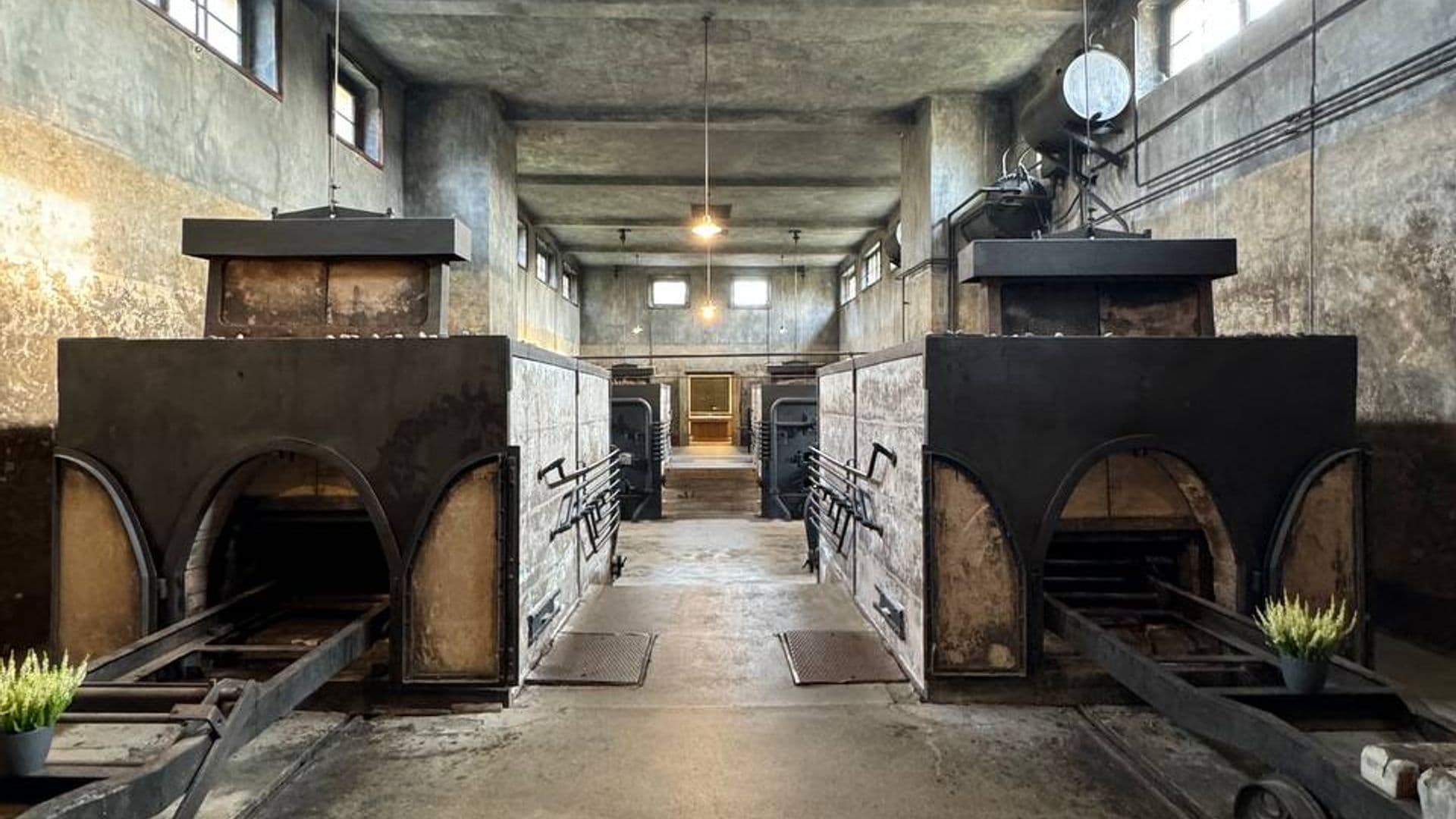
There are places you visit because they are beautiful. And there are places you visit because you have a responsibility to understand what happened there.
Terezín is the second kind.
Sixty kilometres north of Prague, the town of Terezín was built in the 1780s as a military fortress by Emperor Joseph II, named after his mother Empress Maria Theresa — known in German as Theresienstadt. In November 1941 the Nazis converted it into a Jewish ghetto. What followed over the next four years is one of the most documented and most devastating chapters of the Holocaust in Central Europe.
A Terezín Memorial day trip from Prague takes around one hour by private car. It is not an easy visit. It is an essential one.
What happened at Terezín
Between November 1941 and May 1945, over 140,000 Jews were sent to Terezín — from Bohemia and Moravia, from Germany, Austria, the Netherlands, Denmark and other occupied countries. Approximately 33,000 people died here from hunger, disease and the brutal conditions of the ghetto. Approximately 88,000 more were deported east — primarily to Auschwitz — where the overwhelming majority were murdered.
The Nazis used Terezín for a specific and calculated purpose beyond mass imprisonment. Because it held prominent Jews — academics, artists, musicians, former military officers — it could be presented to the outside world as evidence of humane treatment. On 23 June 1944, a Red Cross delegation was invited to inspect the town after the Nazis had staged an elaborate beautification: streets were cleaned, gardens planted, a café opened, a children's pavilion built. The inspectors were deceived. A propaganda film — The Führer Gives a City to the Jews — was subsequently produced. The deception is documented in full at the Ghetto Museum.
The children of Terezín
Among the most moving aspects of the Terezín Memorial is the evidence of what the children who were imprisoned here created. In secret, organised by a handful of adult prisoners, children attended classes, wrote poetry, drew pictures and put on theatrical performances. Thousands of these drawings survived — small watercolours and pencil sketches of ordinary life, imagined or remembered. They are displayed at the Ghetto Museum, and they are among the most devastating documents of the Holocaust anywhere in Europe.
The boys' home in Block L417 — where children aged 10 to 15 lived, attended lessons and produced a hand-written magazine called Vedem (We Lead) — is one of the most important spaces in the Ghetto Museum. Of the approximately 15,000 children who passed through Terezín, fewer than 10% survived the war.
What to see at the Terezín Memorial
The Ghetto Museum is housed in a former school building in the town centre. It tells the full story of the Terezín ghetto through documents, photographs, personal testimonies and the children's drawings. Allow at least 90 minutes. This is the essential starting point for any visit.
The Magdeburg Barracks — located a short walk from the Ghetto Museum — was the seat of the Jewish Council of Elders. It has been restored to show how the prisoners organised cultural life in the ghetto: theatre, music, lectures, art. The cultural life of Terezín is one of the most extraordinary and heartbreaking aspects of its history.
The Small Fortress stands about 2 kilometres from the town, on the other side of the Ohře River. It served as a Gestapo political prison from 1940 to 1945, holding around 32,000 prisoners — mostly members of Czech resistance movements, though also Jews and people from across occupied Europe. The fortress is large and sobering; the preserved cells, interrogation rooms and mass graves convey the conditions with complete clarity. Allow at least one hour.
The National Cemetery lies between the town and the Small Fortress. It is the resting place of those who died in the Small Fortress and in the ghetto. It is a place of extraordinary quiet.
This day trip is best with a guide who handles the logistics and storytelling. Meet our team.
How to visit
Getting there: Terezín is approximately 60 kilometres north of Prague — around one hour by private car. The town and the Small Fortress are about 2 kilometres apart; without a car or guide, getting between them requires walking or a taxi.
How long do you need? A full day — at least 5 to 6 hours — is recommended to visit the Ghetto Museum, the Magdeburg Barracks and the Small Fortress properly. Rushing this visit does a disservice to what you are there to understand.
When to visit: The memorial is open year-round. Spring and autumn are the most comfortable seasons. The site is appropriate for visitors of all ages, though parents should prepare younger children in advance.
Practical note: Terezín is a solemn place. Dress respectfully. Photography is permitted in most areas but should be approached with sensitivity.
Why go with a private guide
Terezín is one of those places where the facts alone — however well presented — only tell part of the story. A guide who knows the individual stories behind the photographs, the names behind the statistics, the specific details of what daily life in the ghetto looked like — makes an experience that is already profound into something genuinely transformative.
Our private Terezín Memorial day trip from Prague includes door-to-door transport from your hotel, a licensed guide for the full visit and all the time you need. We do not rush this day.
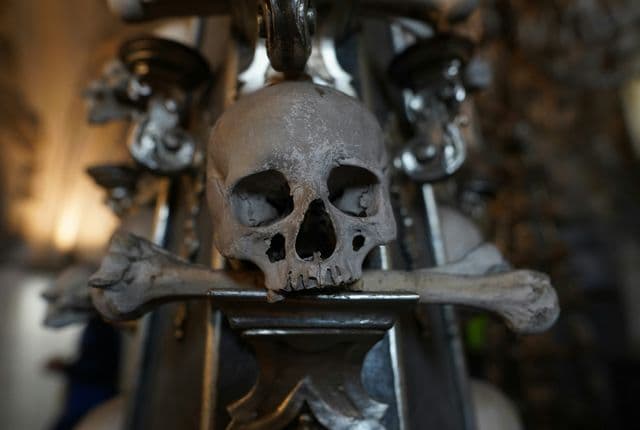
Looking for more meaningful day trips from Prague? Kutná Hora and the Bone Church offers a different but equally profound encounter with history — the medieval silver capital of Bohemia and a chapel decorated with the bones of 40,000 people.
Frequently asked questions
How far is Terezín from Prague? Approximately 60 kilometres north of Prague — around one hour by private car. Our private Terezín Memorial day trip from Prague includes hotel pickup and drop-off.
Is Terezín suitable for children? Terezín can be visited with older children and teenagers, and many schools bring students here for exactly that reason. For younger children, parents should consider their readiness carefully. A guide can adjust the way the story is told to suit different ages.
How long does a visit to Terezín take? A thorough visit — Ghetto Museum, Magdeburg Barracks and Small Fortress — takes 5 to 6 hours. We recommend a full day to do it justice.
Do I need to book tickets in advance? Tickets can be purchased on site. In peak season, booking in advance for the Ghetto Museum is advisable. Your guide will handle all logistics.
What is the difference between the Ghetto Museum and the Small Fortress? The Ghetto Museum tells the story of the Jewish ghetto — the deportations, daily life, the children, the cultural resistance. The Small Fortress was a separate Gestapo political prison. Both are part of the Terezín Memorial and both are important to visit.
Want to see Prague for yourself?
Visit Terezín Memorial with our guide