Moravian Wine Region — Czech Wine You Didn't Know Existed
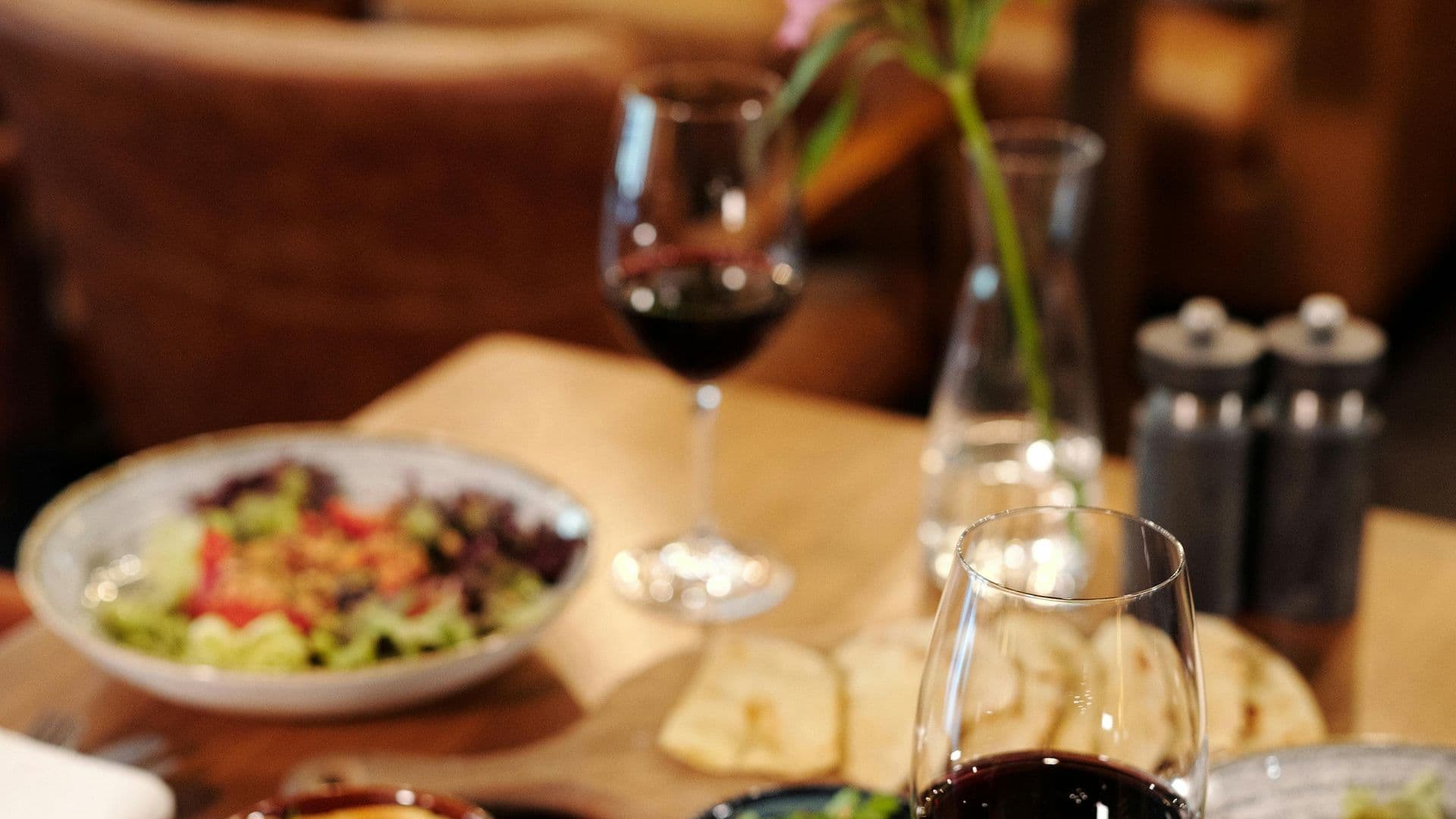
Most visitors to the Czech Republic drink beer and never think about wine. Understandable — Czech beer is world-class and cheap. But in the southeast corner of the country, on sun-facing slopes where the Pannonian steppe meets the Bohemian highlands, winemakers produce whites and reds that regularly surprise even experienced wine drinkers.
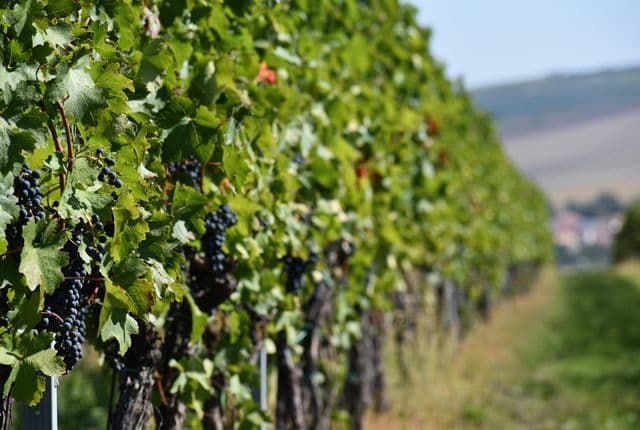
The Moravian wine region stretches from Znojmo in the west to Uherské Hradiště in the east, with the best-known sub-regions clustered around Mikulov, Pálava and Valtice. The landscape is rolling limestone hills planted with vines, punctuated by Baroque churches and medieval wine cellars carved into hillsides. It looks more like Burgundy than Bohemia.
The Wine
Moravia's climate sits at the northern edge of viable winemaking — cool enough for high acidity, warm enough (in good years) for full ripeness. The result is wines with freshness and mineral character that richer, warmer regions struggle to achieve.
White wines dominate. The signature grapes include:
- Pálava — a Czech crossing of Müller-Thurgau and Traminer developed in the 1970s. The name comes from the Pálava limestone hills above Mikulov. Aromatic, floral, sometimes honeyed, always distinctly Czech. This grape doesn't exist outside the Czech Republic and Slovakia.
- Ryzlink vlašský (Welschriesling) — crisp, mineral and bone-dry at its best. Not related to German Riesling despite the name. Moravia produces some of the best Welschriesling in Central Europe.
- Rulandské bílé (Pinot Blanc) — rich and textured, often barrel-aged by serious producers.
- Rulandské šedé (Pinot Gris) — fuller than Alsatian versions, with stone-fruit character.
- Veltlínské zelené (Grüner Veltliner) — the same grape that made Austrian wine famous, grown here with good results.
Red wines are less renowned but improving. Frankovka (Blaufränkisch) is the standout — medium-bodied, cherry-inflected, with a tannic backbone that rewards food pairing. Svatovavřinecké (St. Laurent) produces darker, richer reds.
Insider detail: Look for VOC wines (Vína originální certifikace) — the Czech origin-certification system modelled on French AOC. VOC Mikulov, VOC Znojmo and VOC Pálava guarantee the wine comes from a specific sub-region and meets quality standards. These are the bottles worth seeking out and bringing home.
Mikulov
Mikulov is the unofficial capital of Moravian wine. The small town of 7,000 people sits beneath a hilltop château with views across the Pálava hills and the Novomlýnské reservoirs. The main square (náměstí) is lined with Renaissance and Baroque townhouses, many of which conceal wine cellars in their basements.
The Mikulov Château houses a regional museum with a wine-themed collection, including a massive Baroque wine barrel that once held 101,000 litres. The château terrace offers the best panoramic view of the Pálava Protected Landscape Area.
Insider detail: Walk to the Holy Hill (Svatý kopeček) behind the château — a short, steep climb to a Baroque chapel and pilgrimage site. At the top, you get 360-degree views: vineyards to the south, the Austrian border in the distance, and the white cliffs of Pálava to the west. The path is lined with Stations of the Cross dating to the 18th century.
The wine cellars in Mikulov and surrounding villages offer tastings — some formal (reserve ahead), others informal (knock on the door, the winemaker pours). Sonberk above Popice and Volařík in Mikulov itself are respected producers with visitor-friendly tasting rooms.
The Pálava Hills
The Pálava Protected Landscape Area is the geological heart of the wine region — a ridge of white Jurassic limestone rising from the vineyard plain. The hills are covered with steppe grassland, rare orchids and thermophilic species more common in the Mediterranean. UNESCO designated Pálava a Biosphere Reserve.
The Děvín and Dívčí hrady (Maiden's Castles) ruins sit atop the Pálava ridge, accessible by a moderate 2 to 3 hour hike from Mikulov. The views from the top — across vineyards, reservoirs and into Austria — are among the most striking in the Czech Republic.
The wines grown on Pálava's slopes benefit from the limestone soil, producing whites with particular mineral tension. Producers here include Gotberg and Špalek, both making natural and biodynamic wines that Prague's wine bars feature prominently.
Valtice and the Wine Salon
Valtice is a small town centred on a grand Baroque château — part of the UNESCO-listed Lednice-Valtice Cultural Landscape (see our separate Lednice and Valtice day trip guide).
The château's cellars house the Salon vín České republiky — a curated collection of the 100 best Czech wines of the year, all available for tasting. You buy a tasting card, descend into the vaulted cellars, and sample freely from labelled bottles. The wines are arranged by variety and region, so you can systematically compare Moravian Pálava from three different producers, or taste Frankovka from different sub-regions side by side.
Insider detail: The Wine Salon opens year-round and is rarely crowded on weekday mornings. The tasting card gives you access to all 100 wines — pace yourself, use the provided spittoons, and take notes on the map. This is genuinely one of the best wine experiences in Central Europe, and it costs roughly 300 CZK (as of 2026).
Our guides know the best local spots — far from the tourist traps. Learn more about our team.
Znojmo
Znojmo is the western anchor of the Moravian wine region, a medieval town above the Dyje (Thaya) River valley. The town has Romanesque foundations — the Rotunda of St. Catherine dates to the 11th century and contains the oldest wall paintings in the Czech Republic.
The Znojmo Underground is a network of passages and cellars beneath the old town, originally used for storage and defence. Guided tours take you through several kilometres of tunnels — a very different underground experience from Prague's.
Znojmo's wine identity centres on Ryzlink vlašský and Veltlínské zelené. The VOC Znojmo certification specifically emphasises mineral, dry whites. The annual Znojmo Wine Festival (Znojemské vinobraní) in September fills the old town with open-air tastings, music and food stalls.
How to Get There from Prague
By car: Mikulov is 250 km south of Prague, roughly 2.5 hours on the D2 motorway via Brno. Valtice and Lednice are nearby. Having a car is strongly recommended — the wine villages are spread across the countryside and public transport between them is infrequent.
By train: Prague to Břeclav (the nearest rail hub) takes about 2.5 hours. From Břeclav, local buses or trains reach Mikulov (25 minutes), Valtice (15 minutes) or Lednice (10 minutes). This works but adds connections and travel time.
As a custom day trip: We don't currently run a scheduled tour to the Moravian wine region, but we can arrange a private day trip with a driver, English-speaking guide and winery visits tailored to your interests. Contact us through our tours page to discuss. Exclusively yours, with your own guide.
How Much Time to Spend
A minimum of one full day, ideally two. One day covers Mikulov (town, château, Holy Hill) and the Valtice Wine Salon. Two days lets you add Lednice, a Pálava hike and deeper winery visits. Three days would include Znojmo and the smaller wine villages.
If you're staying in Prague and can't dedicate multiple days, the Wine Salon in Valtice alone justifies a long day trip. But this region genuinely rewards overnight stays — Mikulov has excellent small hotels and pensions.
Back in Prague, our Medieval Dinner at U Pavouka offers a different kind of Czech drinking experience — unlimited mead and a 15th-century atmosphere. And our All Prague in One Day tour covers the capital's highlights with a private guide.
Frequently Asked Questions
Does the Czech Republic produce good wine?
Yes, though most of it stays within the country. Moravian white wines — particularly Palava, Welschriesling and Pinot Blanc — regularly compete with Austrian and Alsatian equivalents. The production volume is small, which is why Czech wine is rarely seen internationally.
What is the best time to visit the Moravian wine region?
Late September through October for the harvest season — vineyards are golden, wine festivals run in most towns, and new wine (burčák) is available. May and June are also beautiful, with wildflowers on the Palava hills and fewer visitors.
Can I do a wine tasting without booking ahead?
The Wine Salon in Valtice is walk-in, open year-round. Individual wineries vary — some welcome drop-ins, others require appointments. In Mikulov during summer and harvest season, you'll find open tasting rooms throughout town.
How far is the Moravian wine region from Prague?
Mikulov is about 250 km south of Prague, roughly 2.5 hours by car via the D2 motorway. The nearest rail hub, Breclav, is about 2.5 hours by train from Prague.
You May Also Like
Want to see Prague for yourself?
Try our medieval dinner experience