Pilsner Urquell Brewery in Plzen — Where Lager Was Born
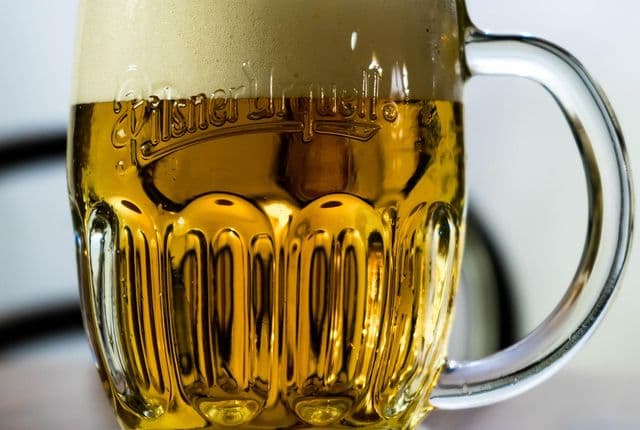
Before 5 October 1842, there was no golden lager. Every beer in Europe was dark — ales and wheat beers in various shades of amber, brown, and near-black. Then a Bavarian brewer named Josef Groll, hired by the citizens of Plzeň who were fed up with their terrible local beer, combined Bohemian Saaz hops, Moravian barley, the city's remarkably soft water, and a bottom-fermenting technique he'd brought from Bavaria. He brewed the first batch in the stone cellars beneath the new Citizens' Brewery. The result was pale, clear, and golden — something nobody had seen before. It was the birth of pilsner, and it changed beer worldwide.
Today, nearly 200 years later, the Pilsner Urquell Brewery still stands on the same site in Plzeň, still uses the same water source, and still brews the beer that started it all. The brewery tour is one of the best day trips from Prague — not just for beer lovers, but for anyone interested in how a single product from a single city in Bohemia became the template for the most popular beer style on Earth.
The Brewery Tour — What You Actually See
The Pilsner Urquell brewery tour runs daily and takes approximately 90 minutes. It covers the full production process, from malting to bottling, but the two highlights are the historical underground cellars and the unfiltered tasting at the end.
The brewing exhibition walks you through the modern production facility, which is vast — Pilsner Urquell produces around 11 million hectolitres annually. You'll see the copper brew kettles (the originals from the 19th century are on display alongside the modern stainless steel versions), the fermentation halls, and the packaging lines. The scale is industrial, and the contrast between the original small-batch brewing and today's output tells its own story about what happens when you invent a product the entire world wants.
The underground cellars are the tour's emotional centre. These are the original stone tunnels — carved 9 metres below ground in the 1840s — where Groll brewed the first pilsner. The cellars stretch for nine kilometres beneath the brewery grounds. The temperature stays at a constant 4-6°C year-round, which made them ideal for the lagering (cold-storage) process that bottom-fermented beers require. In the early decades, before mechanical refrigeration, these cellars were packed with ice harvested from the Radbuza River in winter.
Walking through the tunnels, you pass rows of massive oak lagering barrels, some of which are still used for small-batch experimental brews. The walls are coated with the same mould that has been there for over a century — a controlled fungal environment that the brewery considers part of the flavour ecosystem. The air smells of damp stone, oak, and hops.
Insider detail: The brewery still maintains a small batch of beer brewed and lagered the original way — in oak barrels, in these cellars, without modern filtration or pasteurisation. This unfiltered, unpasteurised pilsner is available only at the end of the tour, drawn directly from the barrel in the cellar. The taste is markedly different from the bottled version you buy in shops — softer, with more complexity and a subtle yeasty sweetness. You cannot get this beer anywhere else. It's the single best reason to take the tour.
Josef Groll — The Man Who Changed Beer
Josef Groll's story is more complicated than the heroic version usually told. He was a Bavarian brewmaster from Vilshofen, hired in 1842 by a consortium of Plzeň citizens who had been so disgusted by the quality of their local beer that they had publicly dumped 36 barrels in front of the town hall in protest. The citizens pooled their brewing rights, built a modern brewery, and recruited Groll because Bavaria was the acknowledged centre of brewing excellence.
Groll's innovation wasn't any single ingredient — it was the combination. Bohemian Saaz hops (Žatecký chmel) were already famous for their fine, aromatic character. Moravian malting barley was excellent. Plzeň's water was remarkably soft — low in minerals, which produces a cleaner, lighter beer. And the bottom-fermentation technique Groll brought from Bavaria allowed the beer to be brewed at lower temperatures and stored (lagered) for weeks, clarifying naturally.
The result was a beer that was not only golden — unprecedented at the time — but also clean-tasting, bitter in a refined way, and visually beautiful when served in the new glassware that was becoming affordable. Pilsner was born at the exact moment when glass drinking vessels were replacing opaque ceramic mugs, which made the beer's appearance matter for the first time.
Insider detail: Groll's contract with Plzeň was not renewed after three years. Despite inventing the most consequential beer in history, he was apparently difficult to work with. He returned to Bavaria and never brewed pilsner again. The brewery continued without him and thrived. Groll died in 1887, famous in brewing circles but not a wealthy man. There's a small bust of him outside the brewery — easy to miss if you're not looking for it.
What "Urquell" Means
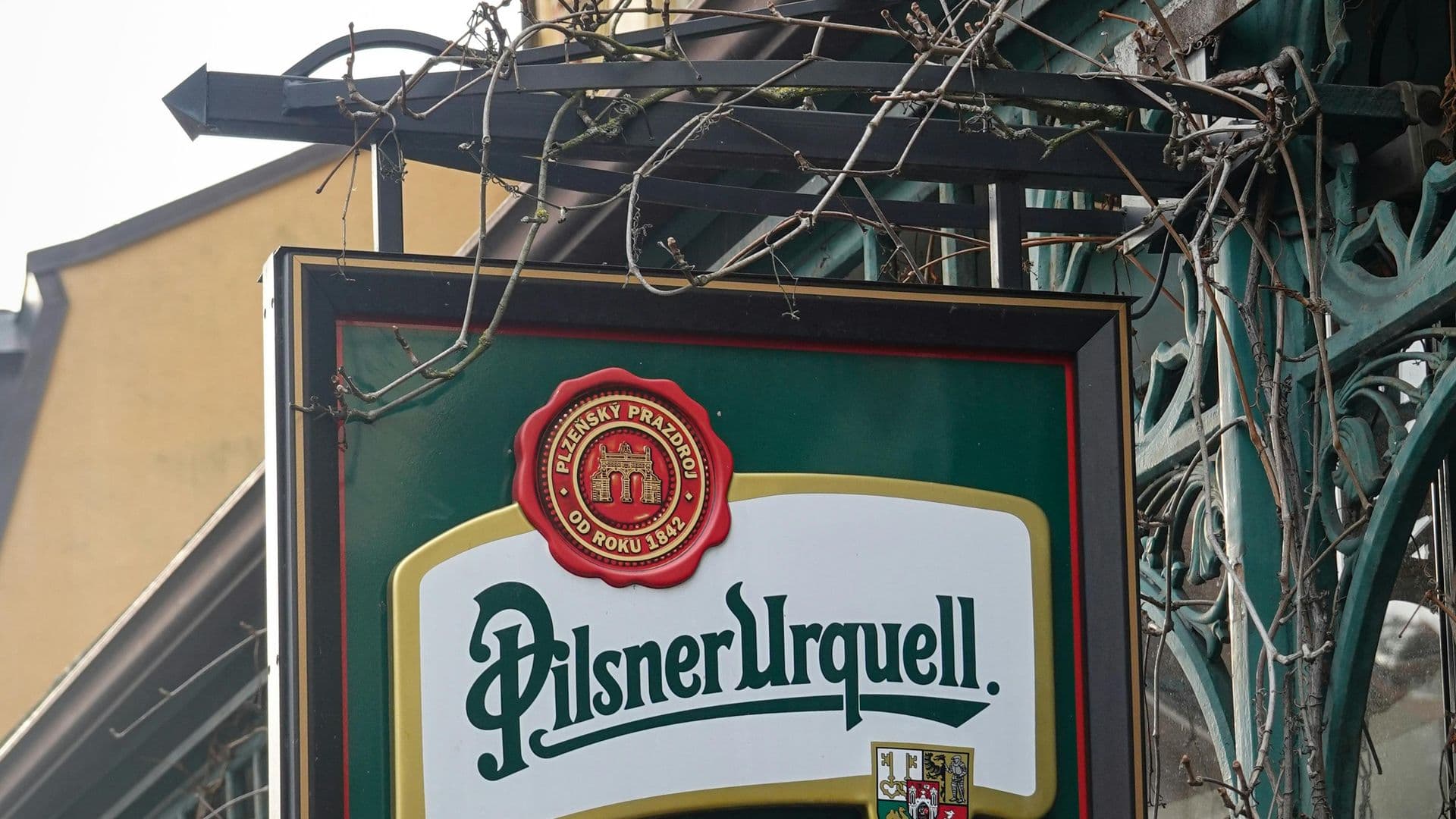
The name Pilsner Urquell translates roughly as "pilsner from the original source." The German word "Urquell" means "original well" or "primary source." The brewery adopted this name in 1898 to distinguish itself from the dozens of imitators who had begun calling their beers "pilsner" — a term that was never trademarked and quickly became generic.
By the late 19th century, breweries across Germany, Austria, and beyond were producing beers labelled "pilsner" that had nothing to do with Plzeň. The name "Urquell" was a declaration: this is where it started. The legal battle over the term "pilsner" was lost before it began — it had become a style description rather than a geographical indicator. But "Urquell" belongs to Plzeň alone.
Beyond the Brewery — Exploring Plzeň
Plzeň is the Czech Republic's fourth-largest city, the capital of West Bohemia, and worth exploring beyond the brewery gates. Most visitors can comfortably see the city centre in 2-3 hours.
Náměstí Republiky (Republic Square) is one of the largest town squares in Europe — 139 by 193 metres. At its centre stands the Cathedral of St. Bartholomew (Katedrála svatého Bartoloměje), a Gothic church with the tallest spire in the Czech Republic at 102.26 metres. You can climb the 301 steps for a view across the entire city and the surrounding Bohemian countryside.
The Plzeň Historical Underground (Plzeňské historické podzemí) is a network of medieval cellars and passageways beneath the old town — separate from the brewery tunnels. The tour covers about 800 metres of the 19-kilometre system, which was used for storage, water supply, and shelter. It's a good complement to the brewery visit, showing how the city used underground spaces long before Groll arrived.
The Patton Memorial Pilsen commemorates the liberation of Plzeň by General George S. Patton's Third Army on 6 May 1945. The museum documents the final days of World War II in western Bohemia — American forces liberated Plzeň while Soviet forces took Prague, a division that foreshadowed four decades of Cold War. The memorial is small but well-curated, and the story resonates differently when you're standing in the city where it happened.
Insider detail: The boundary between American and Soviet liberation zones ran roughly along a line through Bohemia. Plzeň was on the American side, Prague on the Soviet side. This wasn't determined by military necessity but by a political agreement between Eisenhower and the Soviet command. The citizens of Plzeň celebrated their American liberators enthusiastically — and were then told by the subsequent Communist government to forget it ever happened. The Patton Memorial, opened after 1989, is an act of recovered memory.
Eating and Drinking in Plzeň
The brewery complex contains Na Spilce, one of the largest beer halls in the Czech Republic, serving fresh Pilsner Urquell alongside traditional Czech dishes. The food is solid pub fare — svíčková, řízek (schnitzel), roast pork with cabbage and dumplings. Portions are generous and prices are lower than Prague equivalents.
For something beyond the brewery, Lokál Plzeň on Pražská street serves the same standard of tank-fresh Pilsner that its Prague sibling (Lokál Dlouhááá) is known for. The restaurant was an early adopter of the "tank beer" concept — unpasteurised, delivered in insulated tanks directly from the brewery.
If you're interested in craft beer beyond Pilsner Urquell, Pivovar Raven is a small local brewery producing IPAs, stouts, and experimental ales — a reminder that Czech beer culture isn't frozen in 1842. Plzeň takes its lager tradition seriously, but the craft scene is growing.
Getting There from Prague
By car: Plzeň is about 90 kilometres southwest of Prague on the D5 motorway. The drive takes approximately 1 hour and 15 minutes in normal traffic. Parking is available near the brewery and in the city centre.
By train: Direct trains from Praha hlavní nádraží to Plzeň hlavní nádraží run frequently — roughly every hour — and the journey takes about 1 hour and 40 minutes. The brewery is a 15-minute walk from the train station, making this one of the easiest day trips from Prague by public transport.
This day trip is best with a guide who handles the logistics and storytelling. Meet our team.
By bus: FlixBus and RegioJet operate Prague-Plzeň routes with travel times of about 1 hour and 15 minutes. The bus station in Plzeň is adjacent to the train station.
Brewery tour booking: Tours run in multiple languages, including English, and should be booked in advance online, especially during summer and weekends. Check the Pilsner Urquell website for current schedules and pricing. Tours typically start at 10:00, 12:30, 14:15, and 16:00, but schedules vary by season.
Combining Plzeň with Kozel
If you're interested in Czech beer culture beyond the industrial scale of Pilsner Urquell, the Velké Popovice Kozel brewery sits southeast of Prague — in the opposite direction from Plzeň. The Kozel brewery is smaller, more pastoral, and offers a different perspective on Czech brewing. The two breweries make an excellent contrast: Pilsner Urquell is where lager was invented; Kozel is where traditional Czech brewing continues at a human scale, with goats wandering the grounds and a park where you can drink fresh Kozel under the trees.
We offer a dedicated Kozel brewery private tour that covers the brewery, the village, and the tasting in a relaxed half-day format.
Combining both breweries in a single day is possible but makes for a very long day — Plzeň is west of Prague, Kozel is southeast, and the round trip with two brewery tours would stretch to 10-12 hours. We'd recommend choosing one or doing them on separate days.
Insider Details Worth Knowing
The water really matters. Plzeň's water supply comes from artesian wells with unusually low mineral content — among the softest brewing water in Europe. This softness is a key reason the original pilsner was so distinctive. Harder water produces different hop and malt characteristics. When other breweries tried to replicate the style with different water, the results were close but never identical.
The brewery gate has a small museum. Before or after the main tour, the brewing museum inside the brewery complex (a separate ticket) covers the history of brewing in the Czech lands going back to medieval monastery brewing. The collection includes old brewing equipment, advertising posters from the 19th century, and documents related to the citizens' brewing rights that led to the brewery's founding.
"Tank beer" (tankové pivo) is the real Czech beer experience. In Prague and other Czech cities, pubs that serve Pilsner Urquell from insulated tanks (rather than kegs) serve a fresher, smoother version of the beer. The tank system eliminates the pasteurisation that keg and bottle beer require. If you see a pub advertising "tankové pivo" or "tankovna," order there.
Visit Plzeň from Prague
Plzeň is an easy, rewarding day trip from Prague — less than 90 minutes by car or train, and the combination of the world's most important brewery, a handsome Bohemian city, and genuine historical depth makes it worthwhile even if you're not a dedicated beer enthusiast.
For a fully guided one-day version, our Pilsner Urquell brewery tour from Prague includes transport, an English-speaking guide, and brewery tour coordination — start to finish from Prague.
Contact us to arrange a custom private day trip to Plzeň, including transport, brewery tour coordination, and time to explore the city. Exclusively yours, with your own guide.
While you're in Prague, our Kozel brewery tour offers a more intimate Czech brewing experience closer to the city. And for an evening that pairs well with a day of beer — a medieval dinner at U Pavouka Tavern, with fire dancers, sword fights, and a multi-course feast — it's the kind of Prague night that people talk about long after the trip.
Browse all our private tours from Prague.
Frequently Asked Questions
How long is the Pilsner Urquell brewery tour?
The standard brewery tour takes about 90 minutes, including the underground cellars, the brewing exhibition, and an unfiltered beer tasting drawn directly from oak barrels. Add time for the gift shop and the on-site restaurant, and plan for 2-3 hours at the brewery total.
Can you visit Pilsner Urquell without a tour?
The brewery grounds are not open for independent exploration — you need to join a guided tour to see the cellars and production areas. However, the on-site restaurant Na Spilce is open to the public without a tour ticket, so you can visit for a meal and fresh Pilsner Urquell without the full tour.
How far is Plzen from Prague?
About 90 kilometres southwest, roughly 1 hour 15 minutes by car on the D5 motorway, or about 1 hour 40 minutes by direct train from Praha hlavni nadrazi. See our best day trips from Prague for other options at similar distances.
Is the unfiltered beer at the brewery different from bottled Pilsner?
Significantly. The unfiltered, unpasteurised version served in the cellars at the end of the tour is softer, more complex, and has a subtle yeasty character absent from the commercial product. It's the single best reason to take the brewery tour — this beer exists nowhere else.
What else is there to see in Plzen besides the brewery?
Republic Square with its Gothic cathedral (tallest spire in the Czech Republic at 102 metres), the Plzen Historical Underground medieval tunnel network, and the Patton Memorial documenting the city's liberation by American forces in 1945. The city centre is compact and walkable.
You May Also Like
Want to see Prague for yourself?
Visit Pilsner Urquell Brewery