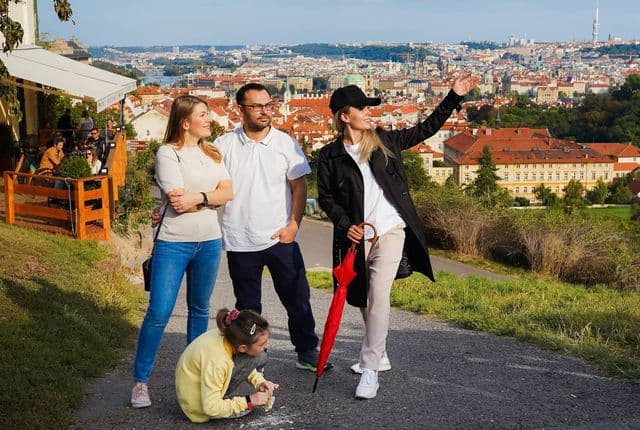
Prague Instagram Photo Spots — Where to Get the Best Shots
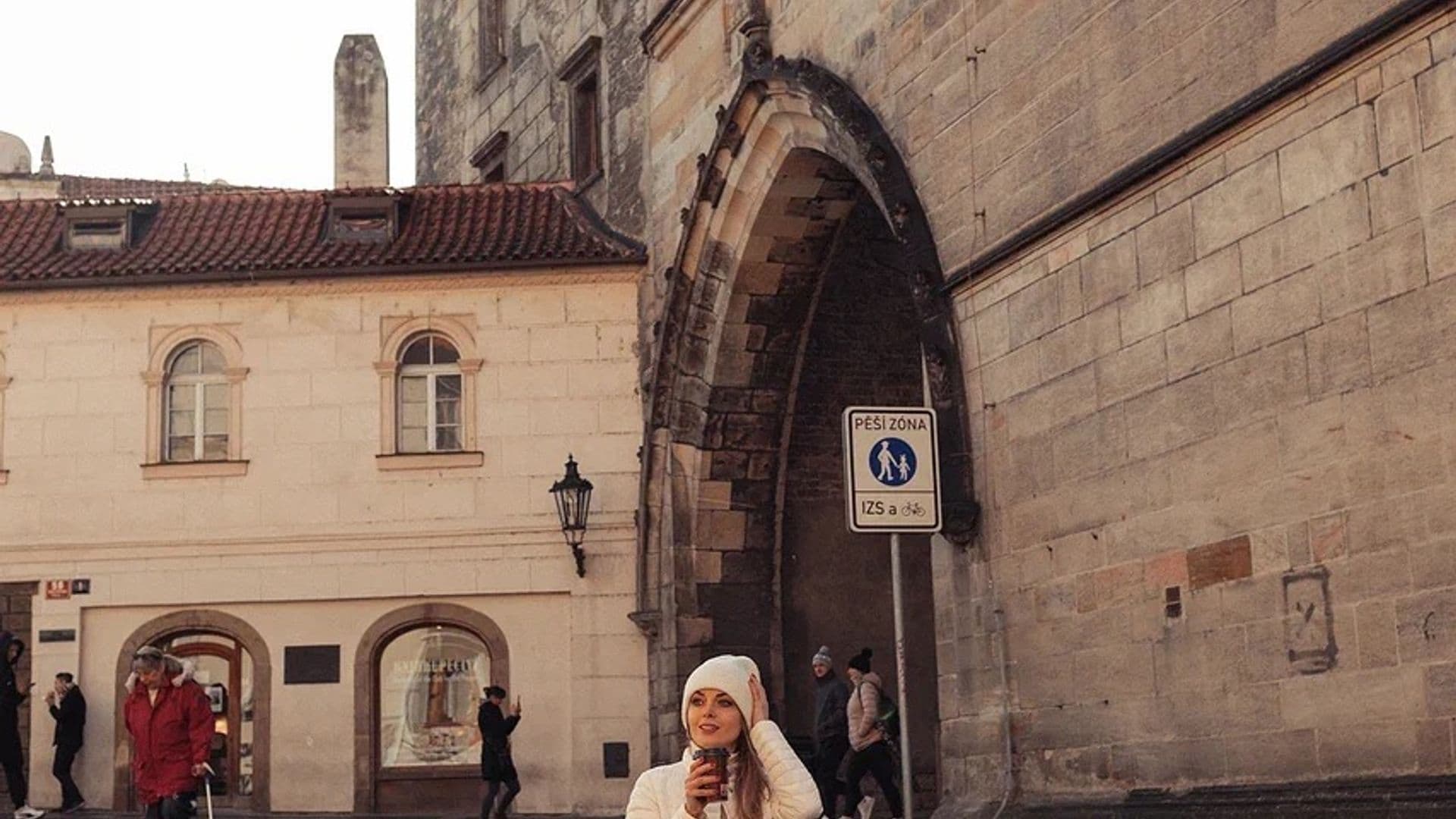
Prague is one of the most photogenic cities in Europe. The combination of Gothic spires, Baroque domes, Art Nouveau facades, and a river reflecting it all creates images that look professionally composed even from a phone. But there is a difference between the photos everyone takes and the photos that stand out. The iconic spots produce beautiful images regardless of skill — but timing, positioning, and knowing the less-visited angles separate a good Prague photo from an exceptional one.
We walk these streets every day with guests, and we have learned where the light falls at every hour, which viewpoints the crowds overlook, and which angles produce the images that get shared, printed, and remembered. This guide covers the best photo spots in Prague, from the classic landmarks to the locations that most visitors walk right past.
Classic Photo Spots — The Ones Everyone Wants
Charles Bridge at Sunrise
The most photographed spot in Prague, and for good reason. The bridge's 30 Baroque sculptures line up against the backdrop of Prague Castle and the Lesser Town towers. The challenge is that Charles Bridge is also one of the most crowded spots in Prague.
The solution is simple but requires commitment: arrive before sunrise. Between 5 and 6 AM in summer (7-7:30 AM in winter), the bridge is nearly empty. The morning light comes from behind the Old Town, illuminating the castle and the Lesser Town in warm tones while the bridge itself glows golden.
Insider detail: position yourself on the south side of the bridge, about one-third of the way from the Old Town end. From here, you get the row of sculptures leading the eye toward the Lesser Town Bridge Tower, with Prague Castle rising behind it. This is the composition that most professional photographers use, and at sunrise, you will have it to yourself.
Old Town Square from the Astronomical Clock Tower
The view from the top of the Old Town Hall tower is the definitive aerial view of Prague. You see the full square, the twin spires of the Church of Our Lady before Týn, the colourful Baroque facades, and the rooftops stretching in every direction. The tower is open daily and costs 250 CZK.
Go in the late afternoon when the sun illuminates the Týn Church directly. The morning light puts the church in shadow from this angle.
Prague Castle from Letná Park
Letná Park sits on a plateau above the Vltava's north bank, and the terrace near the old Stalin monument pedestal (now home to a giant metronome) offers a panoramic view of the Old Town, Charles Bridge, and Prague Castle stretching across the ridge. It is the widest panoramic view of Prague available without leaving the ground.
Insider detail: for the best light, visit Letná in the late afternoon or at sunset. The sun sets behind you, illuminating the entire city centre. The beer garden at Letná also happens to serve excellent Czech lager, making this a productive photo stop that doubles as an ideal place to rest.
Vrtba Garden (Vrtbovská zahrada)
This Baroque garden in the Lesser Town is Prague's most underrated photo location. Terraced up a hillside behind Karmelitská Street, it offers a view of Prague's red rooftops and the dome of St. Nicholas Church from an intimate, elevated garden filled with statues, fountains, and manicured hedges. Entry costs about 100 CZK.
The garden is small and rarely crowded. You can photograph the city panorama framed by Baroque sculptures and Mediterranean plants — an image that looks nothing like the standard Prague shots.
Lesser-Known Photo Spots
Čertovka (Devil's Channel)
A narrow water channel running parallel to the Vltava through the Lesser Town. The views along Čertovka include an old mill wheel still turning in the water, medieval houses leaning over the channel, and footbridges crossing above. The spot is sometimes called "Prague's Venice," and while that comparison oversells it, the intimate scale and the reflections in the water produce beautiful images.
Access the best views from Na Kampě square or from the small footbridge near the Lennon Wall.
Nový Svět (New World)
A tiny street in the Hradčany quarter, just minutes from Prague Castle but completely ignored by most tourists. Nový Svět is a row of small, colourful 17th and 18th century houses with flower-covered facades, original gas lamps, and a silence that feels impossible this close to the castle. Tycho Brahe lived here while serving as Rudolf II's court astronomer.
Insider detail: visit Nový Svět in the morning when the east-facing facades catch the light. The street is so narrow that afternoon sun does not reach it directly. Photographing the gas lamps and flower boxes requires no telephoto lens — wide angle works perfectly for the compressed, intimate feeling of the lane.
Vyšehrad Cemetery and Basilica
The Slavín cemetery at Vyšehrad contains the graves of Dvořák, Smetana, Mucha, and other Czech cultural figures. The elaborate tombstones, covered in ivy and surrounded by mature trees, create a photogenic setting that few tourists visit. The adjacent Basilica of St. Peter and Paul, with its twin Neo-Gothic spires, photographs beautifully against the sky. Our private tour of Vyšehrad fortress covers the cemetery, the basilica, and the northern ramparts in one visit.
The Narrow Street in Malá Strana
At the bottom of Nerudova Street, near the intersection with Tržiště, several lanes are barely wide enough for two people to pass. Photographing a person walking through these passages, with centuries-old walls rising on both sides and a sliver of sky above, creates dramatic images with almost no effort.
Dancing House and the Rašínovo Embankment
Frank Gehry's Dancing House (Tančící dům) is best photographed from across the street or from the embankment below. The late afternoon light on the glass tower creates interesting reflections. But the real photo opportunity is from the embankment itself, looking north along the Vltava toward the National Theatre and Charles Bridge.
A private guide makes all the difference when exploring this part of Prague.
Timing and Light
Prague's orientation and architecture create specific lighting conditions that matter for photography.
Morning (golden hour): best for Charles Bridge, Prague Castle from the east bank, Nový Svět, and the Jewish Quarter. The morning light is softer and warmer.
Late afternoon: best for Old Town Square, Letná panorama, Vyšehrad, and the Lesser Town from across the river. The west-facing facades glow in the afternoon sun.
Blue hour (just after sunset): best for any location with artificial lighting — Charles Bridge with its lamps, Old Town Square, Prague Castle illuminated from below, and the river reflections. This 20-30 minute window produces the most dramatic images.
Overcast days: surprisingly good for Prague. The even light eliminates harsh shadows and makes the pastel-coloured facades more vivid. Street scenes, architectural details, and close-up compositions work better without direct sun.
Insider detail: Prague's gas lamps in the Old Town and Lesser Town are lit by a lamplighter each evening. They emit a warm, flickering glow distinctly different from electric streetlights. Photographing the lamplit streets during blue hour creates an atmosphere that electric lighting cannot replicate.
Photo Walk Routes
Route 1: Old Town Morning (2 Hours)
Start at Charles Bridge at sunrise, cross to the Old Town side, walk through the Klementinum courtyard, continue to Old Town Square (photograph the Týn Church in morning light), then head to the Jewish Quarter where the narrow streets and cemetery gates photograph well in soft morning light.
Route 2: Lesser Town and Castle Afternoon (2 Hours)
Start at Čertovka and Na Kampě, walk up Nerudova Street photographing the house signs and facades, detour to Nový Svět, then end at Strahov Monastery where the terrace offers a sweeping panorama of the entire city.
Route 3: Sunset to Blue Hour (1.5 Hours)
Start at Letná Park for the panoramic sunset, then walk down to the river and cross to the Old Town side. End at Charles Bridge as the lights come on and the castle is illuminated — the classic night shot.
Our All Prague in One Day tour covers many of these locations, and your guide knows which spots to visit at which hour. For the hidden corners and underground spaces that few visitors photograph, our Hidden Prague Underground and Alchemy tour takes you into medieval cellars and alchemist workshops — unique photo opportunities with no crowds.
Gear Tips
Phone vs. camera: Prague photographs well with any modern phone. The city's architecture and light do most of the work. A dedicated camera adds value for low-light shooting (blue hour, church interiors) and for capturing details on the castle and bridge from a distance.
Lens recommendations: for interchangeable-lens cameras, a 24-70mm equivalent covers 90% of Prague. A wide-angle (16-35mm) is useful for church interiors and narrow streets. A telephoto (70-200mm) helps isolate details on the castle and bridge sculptures from a distance.
Tripod: useful for blue hour and night photography. Most outdoor locations allow tripods. Some museums and interiors do not — check before setting up.
Pair your best Prague photos with an evening at the Medieval Dinner show — the candlelit Gothic cellar with sword fighters and period costumes is one of the most photogenic settings in the city.
FAQ
What is the best time of day for photos in Prague? Sunrise on Charles Bridge, late afternoon for Old Town Square and Letná panorama, and blue hour (just after sunset) for any location with artificial lighting. Overcast days are surprisingly good for architecture and street photography.
Where is the best panoramic view of Prague? Letná Park offers the widest panorama. The Old Town Hall tower gives the best aerial view of the square. Strahov Monastery terrace provides the best view combining the castle with the city below. Vyšehrad offers a southern perspective that includes the river and the bridges.
Is Prague good for photography in winter? Excellent. Shorter days mean more golden hour and blue hour opportunities. Fog over the Vltava creates atmospheric conditions unique to winter. Snow on the rooftops and castle grounds transforms the city. Crowds are much smaller, making it easier to get clean compositions.
Can I use a drone in Prague? Drone flights are restricted in much of Prague's centre. The historic core is a no-fly zone. Check Czech Aviation Authority regulations before planning aerial photography. Many of the elevated viewpoints in this guide provide drone-like perspectives without the restrictions.
You May Also Like
- Prague Viewpoints — The Best Views of the City
- Prague Bridges Guide — Stories Spanning the Vltava
- Prague Architecture Guide — 1,000 Years of Building Styles
See Prague through the lens of someone who walks it daily. Browse our private tours — exclusively yours — and let your guide show you the angles, the light, and the spots the crowds overlook.
Want to see Prague for yourself?
Take our flagship Prague tour-6-640x430.jpg&w=3840&q=75)