Prague Scams to Avoid — Straight Talk from a Local Guide
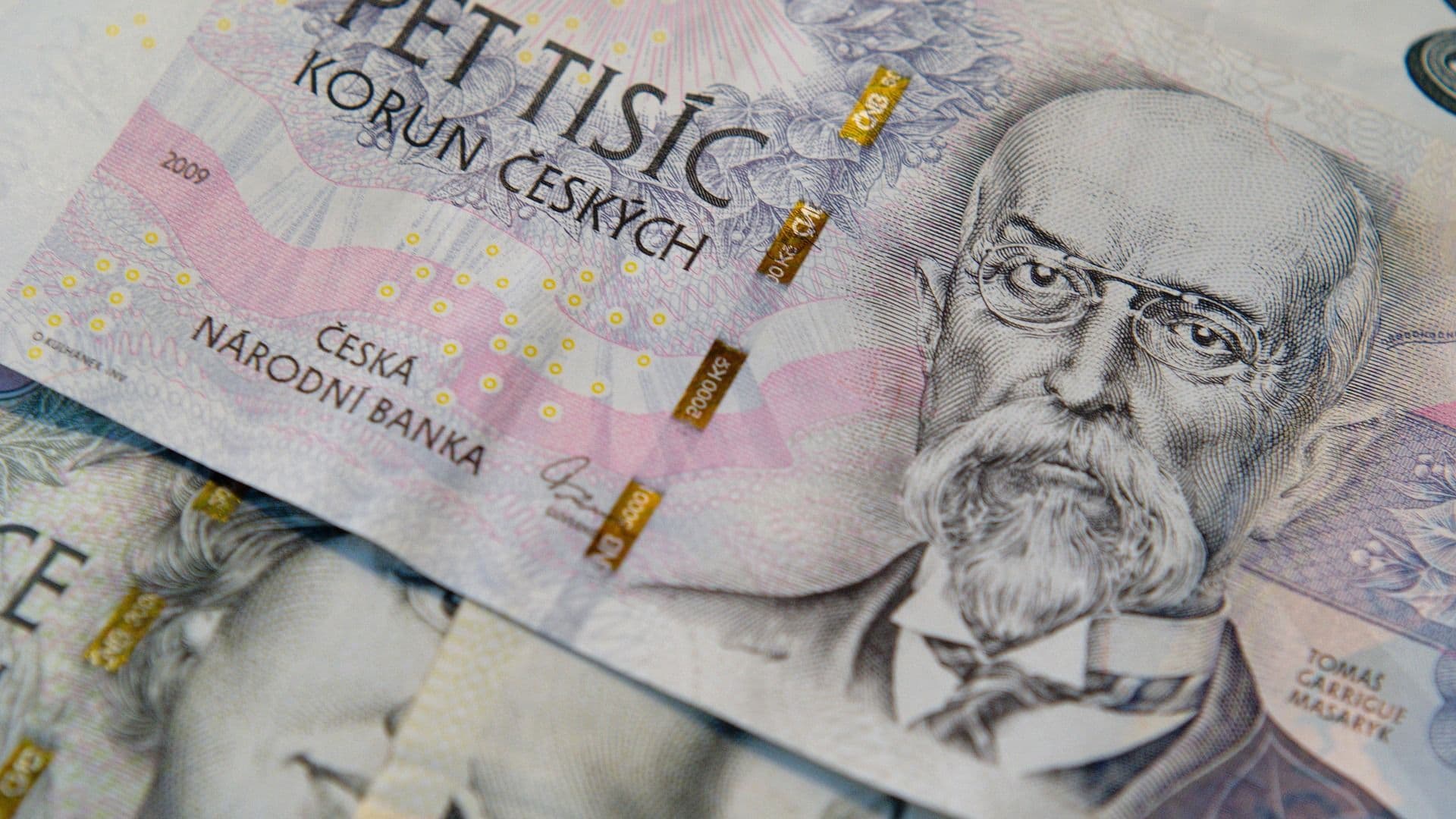
Prague is one of the safest capitals in Europe, and the vast majority of visitors leave without a single bad experience. But a handful of scams in Prague target tourists specifically, and they work because people don't see them coming. The good news: every one of them is easy to avoid once you know the pattern.
We walk these streets with guests every week, and we've seen each of these scams play out in real time. None of them are dangerous — they're financial annoyances. Here's how they work and how to sidestep them completely.
The Exchange Office Scam
This is the most common rip-off in Prague, and it costs tourists more money than all other scams combined. Exchange offices clustered around Staroměstské náměstí (Old Town Square) and Václavské náměstí (Wenceslas Square) advertise "0% commission" in large letters on their storefronts. The rate displayed on the outdoor board looks competitive.
The catch is inside. The board rate applies only to transactions above a certain threshold — sometimes €1,000 or more. For normal amounts, the clerk applies a different, much worse rate. By the time you notice, the transaction is done and refunds are refused. We've seen effective markups of 15-20%, which means exchanging €200 costs you €30-40 in hidden fees.
How to avoid it: Use bank ATMs from major Czech banks — Česká spořitelna, ČSOB, or Komerční banka. Withdraw Czech crowns directly. If you prefer cash exchange, Exchange on Kaprova street (near the Rudolfinum) consistently offers fair rates with no hidden conditions. Always ask the clerk to confirm the exact amount you'll receive before handing over your money — Czech law requires them to show you the calculation before completing the transaction.
One detail we point out to guests on every tour: the offices with the flashiest signage and the most prominent locations pay the highest rent, which they recover by giving you the worst rates. The pattern is reliable — the bigger the sign, the worse the deal.
The Taxi Overcharge
Prague's taxi situation has improved dramatically with ride-hailing apps, but the old scam still operates at train stations and tourist hotspots. A driver offers a ride from the airport or Praha hlavní nádraží (the main train station) without turning on the meter — or with a meter that runs suspiciously fast. The fare from the airport to the city center should be around 600-800 CZK. We've heard of visitors paying 2,000-3,000 CZK for the same route.
Some drivers take longer routes, adding unnecessary loops through side streets. Others claim the meter is broken and quote a flat rate that's three times the actual cost.
How to avoid it: Use Bolt or Uber — both operate in Prague, and the fare is locked in before you get in the car. If you take a street taxi, insist the meter runs from the start. Licensed Prague taxis display the rate per kilometer on the door — if it's not there, find another cab. The maximum regulated rate is 36 CZK per kilometer (as of 2026), so any quote dramatically above that for a normal city ride is a red flag.
Our guests often ask about taxis from the airport specifically. We always recommend booking a ride through an app while you're still in the arrivals hall — the pickup points are well-marked, and the price difference compared to a random taxi outside can be 50% or more.
The Petition Scam
This one plays on goodwill. A person approaches you — usually on Karlův most (Charles Bridge) or near Old Town Square — with a clipboard and a petition. The cause sounds legitimate: helping deaf children, supporting a local charity, protecting animals. They ask you to sign.
After you sign, they ask for a "donation." The pressure is polite but persistent, and the suggested amount is always high — 500 CZK or more. The petition is fake. There is no charity. The money goes directly to the person holding the clipboard.
How to avoid it: Decline and keep walking. A simple "ne, děkuji" (no, thank you) is enough. Legitimate Czech charities don't collect signatures on the street with cash demands. If someone approaches you with a clipboard in a tourist zone, the probability of it being genuine is close to zero. We see this one play out on Charles Bridge almost every week during peak season, and the same individuals rotate through the same spots.
The Restaurant Bill Padding
Some tourist-zone restaurants add items to the bill that you didn't order. The most common version: a bread basket or small appetizer appears on your table without being requested. You assume it's complimentary. It's not — and it shows up on the bill at 80-150 CZK.
A more aggressive variant involves charging a "cover charge" (couvert) that wasn't mentioned anywhere on the menu. Others round up individual item prices or add a service charge that wasn't disclosed. These practices are concentrated in restaurants directly on Old Town Square, Wenceslas Square, and the streets immediately surrounding them.
How to avoid it: Check the menu for a couvert or cover charge line before sitting down. If bread or snacks arrive unrequested, ask "je to zdarma?" (is this free?) before touching them. When the bill arrives, review each line item against what you actually ordered. Pay in Czech crowns and count your change.
The simplest protection: eat one street back from the main squares. Restaurants on Dlouhá, Dušní, or Haštalská — literally a two-minute walk from Old Town Square — serve better food at lower prices without padding tricks. We steer guests toward these streets on every tour because the quality difference is dramatic.
ATM Skimming and DCC Tricks
Physical ATM skimming — where a device on the card slot copies your data — exists but is rare in Prague. The far more common ATM scam is perfectly legal: it's called Dynamic Currency Conversion (DCC).
Here's how it works. You insert your card into an ATM and select your withdrawal amount in CZK. The machine then offers to convert the amount into your home currency "for your convenience." The screen shows the amount in euros or dollars with a guaranteed exchange rate. That rate includes a markup of 3-7% compared to what your bank would charge. The ATM operator pockets the difference.
How to avoid it: When any ATM or card terminal asks whether to charge you in your home currency or in CZK, always choose CZK. This applies to ATMs, restaurants, hotels, and shops. Your own bank's exchange rate will almost always be better than the one offered on screen. The question is phrased to make the conversion sound helpful — "Would you like to pay in EUR for a guaranteed rate?" — but the guaranteed rate is guaranteed to be worse.
For ATM skimming specifically, use ATMs attached to bank branches rather than standalone machines in tourist areas. Cover the keypad when entering your PIN. If the card slot looks loose or unusual, find a different machine.
A private guide makes all the difference when exploring this part of Prague.
The "Friendly Local" Currency Confusion
This one is subtle. Someone strikes up a conversation — at a bar, on the street, near a tourist site — and offers to help you exchange money or buy something. In the process, they hand you coins or bills that look similar to Czech crowns but are actually a different, less valuable currency. Old Hungarian forints, outdated Czech coins, or random Eastern European coins that roughly match the size and color of CZK pieces.
By the time you realize the coins in your pocket don't work in any machine or shop, the person is gone.
How to avoid it: Only get currency from ATMs, banks, or reputable exchange offices. Czech crown coins are distinctive once you're familiar with them — the 50 CZK coin is bimetallic (two-tone), and the common 10, 20, and 50 CZK coins have specific sizes and markings. Spend a minute looking at your first withdrawal from a bank ATM, and you'll recognize Czech currency for the rest of your trip.
Keeping Perspective
We want to be clear: Prague is remarkably safe. These scams are minor financial annoyances, not threats to your safety. Violent crime against tourists is extremely rare. Most visitors encounter none of these situations during their entire stay.
The pattern across every scam on this list is the same — they target people who are unfamiliar with local currency, local prices, and local norms. Once you know what a fair exchange rate looks like, what a taxi should cost, and how restaurant billing works, you become essentially immune.
Knowing the scams is half the battle; the other half is knowing whom to trust when you do want a genuine local experience. Unlicensed operators and overpriced "free" tours are just as common as the taxi tricks listed above, and the warning signs are surprisingly similar. Learn how to choose a trustworthy guide so the person walking you through Prague is a highlight of your trip, not another cautionary tale.
Experience It With a Private Guide
The fastest way to feel confident in a new city is to spend your first hours with someone who knows it inside out. On our All Prague in One Day private walking tour, we cover the practical side of Prague alongside the history — pointing out which exchange offices to avoid, where to eat without overpaying, and how the city actually works beneath the surface.
Exclusively yours, with your own guide. We adjust to your pace and interests, and we answer every question — including the ones about money, safety, and how not to get ripped off.
For an evening in Old Town that skips the tourist-trap restaurants entirely, our medieval dinner at U Pavouka Tavern includes unlimited food and drinks at a fixed price — no surprise charges, no bill padding, and a fire show to go with your roasted pork.
Explore the Charles Bridge and Old Town walking tour if you want to see the heart of Prague with a local who can steer you past every scam on this list.
Browse all our private tours of Prague and the Czech Republic.
Frequently Asked Questions
Is Prague safe for tourists?
Yes — Prague is one of the safest capitals in Europe. Violent crime against tourists is extremely rare. The main risks are petty scams like exchange office rip-offs and occasional taxi overcharging, both of which are avoidable with basic awareness.
What is the most common scam in Prague?
The exchange office scam costs tourists the most money overall. Offices near Old Town Square and Wenceslas Square advertise attractive rates but apply different, much worse rates for normal transaction amounts. Use bank ATMs or a reputable exchange office like Exchange on Kaprova street instead.
Should I always choose CZK at an ATM in Prague?
Yes. When an ATM or card terminal offers to convert the amount into your home currency, always decline and choose CZK. The conversion offered by the machine — called Dynamic Currency Conversion — typically includes a 3-7% markup. Your own bank's rate will almost always be better.
Are taxis safe in Prague?
Licensed taxis in Prague are safe, but overcharging is a known issue — especially at the airport and main train station. Use Bolt or Uber to lock in the fare before your ride. If you take a street taxi, insist on the meter and check that the per-kilometer rate is displayed on the vehicle door.
How do I avoid being overcharged at restaurants in Prague?
Check the menu for cover charges before sitting down. If unrequested food arrives at your table, ask whether it's free before eating it. Review your bill line by line. Restaurants one street back from the main tourist squares — on Dlouha, Dusni, or Hastalska — offer better food at honest prices.
You May Also Like
Want to see Prague for yourself?
Take our flagship Prague tour-6-640x430.jpg&w=3840&q=75)