Prague Wine Bars — Moravian Wine, Natural Wine and Hidden Cellars

Prague is a beer city. Everyone knows this. But step off the main tourist routes and you will find a wine scene that rivals many southern European capitals — driven by Moravian vineyards less than three hours south, a new generation of natural winemakers, and medieval cellars that have been storing wine since the 14th century.
Czech wine rarely makes it past the country's borders. Annual production is small, domestic demand is high, and most of the best bottles never leave Moravia. That makes Prague the easiest place to taste wines that are genuinely impossible to find at home. We have been introducing visitors to this side of Prague for years, and the reaction is always the same: surprise that Czech wine is this good, followed by regret that nobody told them sooner.
Moravian Wines You Should Try
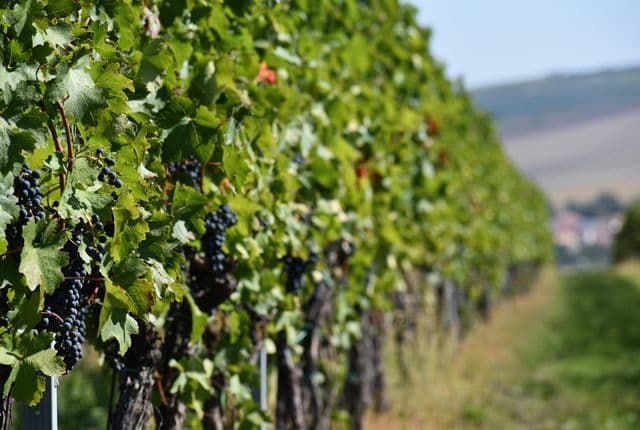
Before the bar recommendations, a quick primer on the wines you will encounter. Moravia — the southeastern region of Czechia — produces roughly 96% of all Czech wine. The climate, soil, and latitude are similar to Alsace and Austria's Niederösterreich, and the grape varieties reflect this.
Pálava — An aromatic white grape developed in Moravia by crossing Tramín (Gewürztraminer) and Müller-Thurgau. The result is floral, slightly spicy, with notes of apricot and lychee. It grows almost nowhere else in the world. If you try one Czech wine, make it this one.
Ryzlink vlašský (Welschriesling) — Not to be confused with German Riesling. Lighter, crisper, with green apple and citrus. The everyday white of Moravia — excellent with lighter Czech dishes.
Frankovka (Blaufränkisch) — The most important Moravian red. Medium-bodied, with sour cherry, pepper, and earthy undertones. Look for bottles from the Pálava sub-region (Mikulov) for the best examples.
Rulandské šedé (Pinot Gris) — Fuller-bodied than the Alsatian style, often with a touch of residual sugar. Popular in Prague wine bars as an aperitif.
Veltlínské zelené (Grüner Veltliner) — The same grape that dominates Austrian wine, grown across the border in southern Moravia. Crisp, peppery, outstanding with food.
Insider tip: Czech wines are classified by sugar content at harvest using a system borrowed from Germany and Austria. The terms you will see on menus — kabinet, pozdní sběr (late harvest), výběr z hroznů (selection from grapes) — indicate ripeness, not sweetness. A "pozdní sběr" Pálava can be bone dry.
Prague's Best Moravian Wine Bars
Vinograf
Location: Senovážné náměstí 23, New Town Specialty: The largest Czech wine list in Prague — over 200 Moravian labels Price range: 80-180 CZK per glass, bottles from 500 CZK Atmosphere: Modern, sleek interior with exposed brick. Popular with local professionals after work. Insider tip: Ask the staff for a vertical tasting of the same grape from different Moravian sub-regions. They will happily pour three glasses of Pálava from Mikulov, Velké Bílovice, and Znojmo side by side — you will taste the terroir difference immediately.
Bokovka
Location: Dlouhá 37, Old Town Specialty: Moravian wines with a focus on small-batch producers Price range: 70-150 CZK per glass Atmosphere: Tiny, intimate, with a bar that seats about 15. Standing room only when it fills up. Insider tip: Bokovka is on Dlouhá street, which is known for nightlife, but this place is the calm exception. Arrive before 8 PM on weekdays and you will get a seat. The owner rotates wines frequently — ask what arrived this week rather than ordering from the menu.
Vinárna U Mouřenína
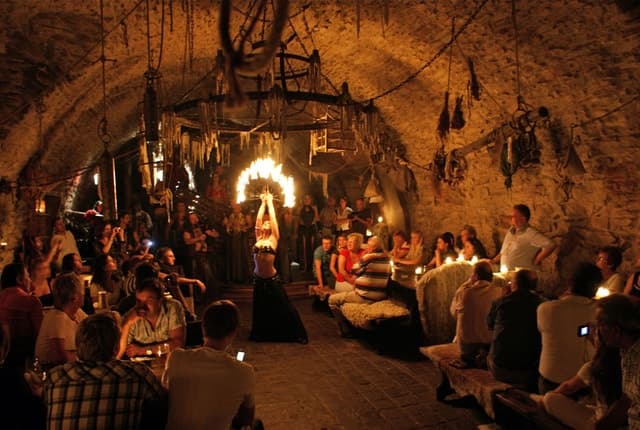
Location: Tržiště 12, Malá Strana Specialty: Traditional Moravian wines in a building that has served wine since the 15th century Price range: 60-120 CZK per glass Atmosphere: Low ceilings, stone walls, candlelight. As close to a medieval wine experience as you can get without a costume. Insider tip: This wine bar sits on a quiet street between Prague Castle and the Vltava — a five-minute walk from our Prague Castle and Lesser Town walking tour route. The building itself is worth seeing. The vaulted cellar dates to the Romanesque period, and the walls are several metres thick.
Natural Wine Bars
Prague's natural wine scene exploded around 2018-2019 and has only grown since. These bars stock wines made with minimal intervention — no added sulphites, native yeast fermentation, often cloudy, sometimes funky. If you are a natural wine enthusiast, Prague is rewarding territory.
Veltlin
Location: Křižíkova 488, Karlín Specialty: Czech and Central European natural wines, with some French and Italian bottles Price range: 90-200 CZK per glass Atmosphere: Industrial-chic Karlín neighbourhood, large windows, communal tables. Young, creative crowd. Insider tip: Veltlin focuses on orange wines — white grapes fermented on their skins in the manner of traditional Georgian winemaking. Czech and Moravian producers like Nestarec and Milan Nestarec are doing exceptional work in this style, and Veltlin stocks them.
Naše Maso / Naše Víno
Location: Dlouhá 39, Old Town Specialty: Natural wines paired with charcuterie from the adjoining butcher shop Price range: 80-170 CZK per glass Atmosphere: Standing bar attached to a working butcher counter. The charcuterie boards are exceptional. Insider tip: The concept is simple — buy a glass of natural wine and a board of house-made salami, ham, and terrines from the butcher next door. The meats are cured on-site using Czech pork from named farms. This is one of the most satisfying casual wine experiences in Prague.
Autentista
Location: Štupartská 8, Old Town Specialty: Strictly natural and biodynamic wines from Czech and Slovak producers Price range: 100-220 CZK per glass Atmosphere: Minimalist, wine-focused, with a knowledgeable staff that takes terroir seriously. Insider tip: Autentista runs blind tasting evenings on select weeknights. Four wines, no labels. You taste, discuss, and only then find out what you have been drinking. Check their social media for dates — these events fill up fast.
Wine Cellars Worth Visiting
Prague's historical centre sits atop layers of medieval basements, and several have been converted into wine cellars. Drinking wine underground in a 600-year-old vault is a specific Prague experience that no other European capital replicates at this scale.
Our guides know the best local spots — far from the tourist traps. Learn more about our team.
Vinárna Čertovka
Location: U Lužického semináře 24, Malá Strana Specialty: Czech and Moravian wines in a cellar overlooking the narrowest street in Prague Price range: 70-140 CZK per glass Atmosphere: Cozy riverside cellar with views of the "Devil's Stream" (Čertovka channel) Insider tip: The famous narrow street beside this wine bar requires its own pedestrian traffic light — it is that narrow. Visit the wine bar first, then walk the alley. It is a two-for-one Prague experience.
U Zlaté Studně Wine Cellar
Location: U Zlaté Studně 4, Malá Strana (below the hotel of the same name) Specialty: Premium Moravian and international wines in a vaulted Renaissance cellar Price range: 150-400 CZK per glass (this is the premium end) Atmosphere: Elegant, quiet, with stone arches and low lighting. Ideal for a special occasion. Insider tip: The hotel above this cellar has a rooftop terrace with one of the finest views in Prague — Prague Castle on one side, Old Town rooftops on the other. Have wine in the cellar, then ask to see the terrace view. Even non-guests can visit for a drink.
Lobkowicz Wine Bar at Prague Castle
Location: Inside Prague Castle complex (Lobkowicz Palace) Specialty: Wines from the Lobkowicz family's own Moravian vineyards Price range: 100-250 CZK per glass Atmosphere: Inside a working palace with views over the city from the castle ramparts Insider tip: The Lobkowicz family has been making wine in Moravia for centuries. Their Mělník estate produces Pinot Noir and Riesling that you cannot buy outside their own properties. Combining this with a Prague Castle visit makes sense — it is one of the stops on our guided castle tour.
Wine Tasting Experiences
Beyond individual bars, Prague offers structured wine tasting experiences for visitors who want to go deeper.
Wine tastings at Vinograf run on weekends and typically feature 6-8 Moravian wines with commentary from a sommelier. Expect to pay 800-1,200 CZK per person. Advance booking is recommended.
Moravian wine dinners pop up regularly at restaurants across Prague, especially in autumn after harvest. Restaurants like Eska (Karlín) and Field (New Town) occasionally pair multi-course dinners with wines from specific Moravian producers.
Insider tip: If you want a deeper Moravian wine education beyond what Prague offers, consider a day trip to the wine region itself. The Pálava hills around Mikulov are roughly two hours from Prague by car, and the landscape — limestone cliffs, vineyards, ruined castles — is unlike anything else in Czechia. Our team can help arrange transport and winery visits.
For an evening in Prague that pairs history with food and drink, our medieval dinner experience features mead and Czech beer alongside a candlelit multi-course feast — a different kind of drinking history.
Experience It With a Private Guide
Wine is one of the great underrated stories of Prague and Moravia. On our All Prague in One Day tour, we walk through the Malá Strana wine bar district and can point you to the right cellar for your taste. We know which bars stock the best small-producer bottles, and which ones are quietly overcharging for mediocre imports.
For more on Prague's drinking culture, explore our guide to the best bars in Prague and read about the Moravian wine region as a day trip from Prague.
Browse all private tours — exclusively yours, with your own guide.
Frequently Asked Questions
Is Czech wine any good?
Yes — genuinely. Moravian wines compete favourably with Austrian and Alsatian wines at a fraction of the price. The region's Pálava, Ryzlink, and Frankovka grapes produce wines that regularly win international awards. The reason most visitors have not heard of Czech wine is that production is small and almost everything is consumed domestically.
How much does a glass of wine cost in Prague?
Expect to pay 60-120 CZK (roughly 2.50-5 EUR) per glass at neighbourhood wine bars, and 100-250 CZK (4-10 EUR) at premium venues. Compared to Paris, London, or even Vienna, Prague wine bar prices are remarkably low for the quality.
What is the best Moravian wine for beginners?
Start with Pálava — it is aromatic, approachable, and uniquely Moravian. If you prefer dry whites, try Veltlínské zelené (Gruner Veltliner). For reds, Frankovka from the Mikulov area is the benchmark.
Can I visit Moravian wineries as a day trip from Prague?
The Pálava wine region around Mikulov is approximately two hours by car from Prague. It is possible as a long day trip, though an overnight stay gives you more time to explore. Several wineries offer tastings without prior reservation, but booking ahead guarantees you a spot.
Do Prague wine bars serve food?
Most Prague wine bars offer at least charcuterie boards and cheese plates. Several — including Vinograf, Nase Maso/Nase Vino, and Autentista — have substantial food menus that pair well with their wine selections.
You May Also Like
Want to see Prague for yourself?
Try our medieval dinner experience