St Martin's Day in Prague: Roast Goose & Young Wine (November 11)
Quick answer: St Martin's Day (Den svatého Martina) falls on November 11 and is the Czech Republic's great autumn food-and-wine feast. The tradition: roast goose with cabbage and dumplings, paired with St Martin's wine (Svatomartinské víno) — the first wine of the new vintage, whose first bottles are uncorked nationwide at exactly 11:11am. It's not a public holiday — shops and offices stay open — but restaurants across Prague put on special goose menus, and tables book up fast.
It's the moment Czech autumn turns festive: the new wine has arrived, the goose is roasting, and the whole country has a delicious reason to gather around a table.
What is St Martin's Day?
St Martin was a 4th-century Roman soldier who, legend says, cut his cloak in half to share it with a freezing beggar, and later became a bishop. The Czech tradition ties him to two things: the first wine of the year, and the feast of roast goose.
Why the goose? The story goes that when the humble Martin was about to be made a bishop, he hid — but a flock of geese gave away his hiding place with their honking. Ever since, the goose has been on the St Martin's table. There's also a weather saying: "Martin arrives on a white horse," meaning the first snow and frosts often come around November 11.
St Martin's wine (Svatomartinské víno)
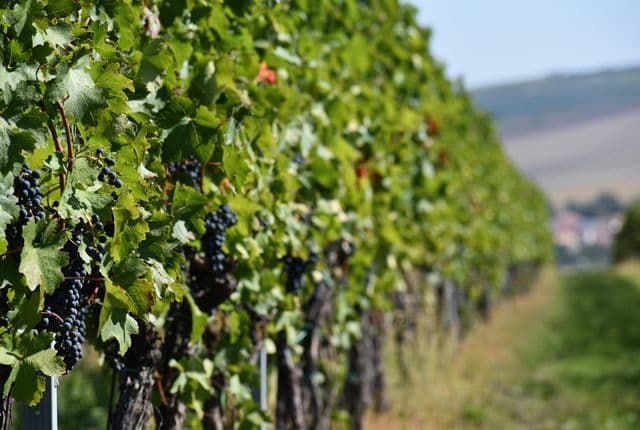
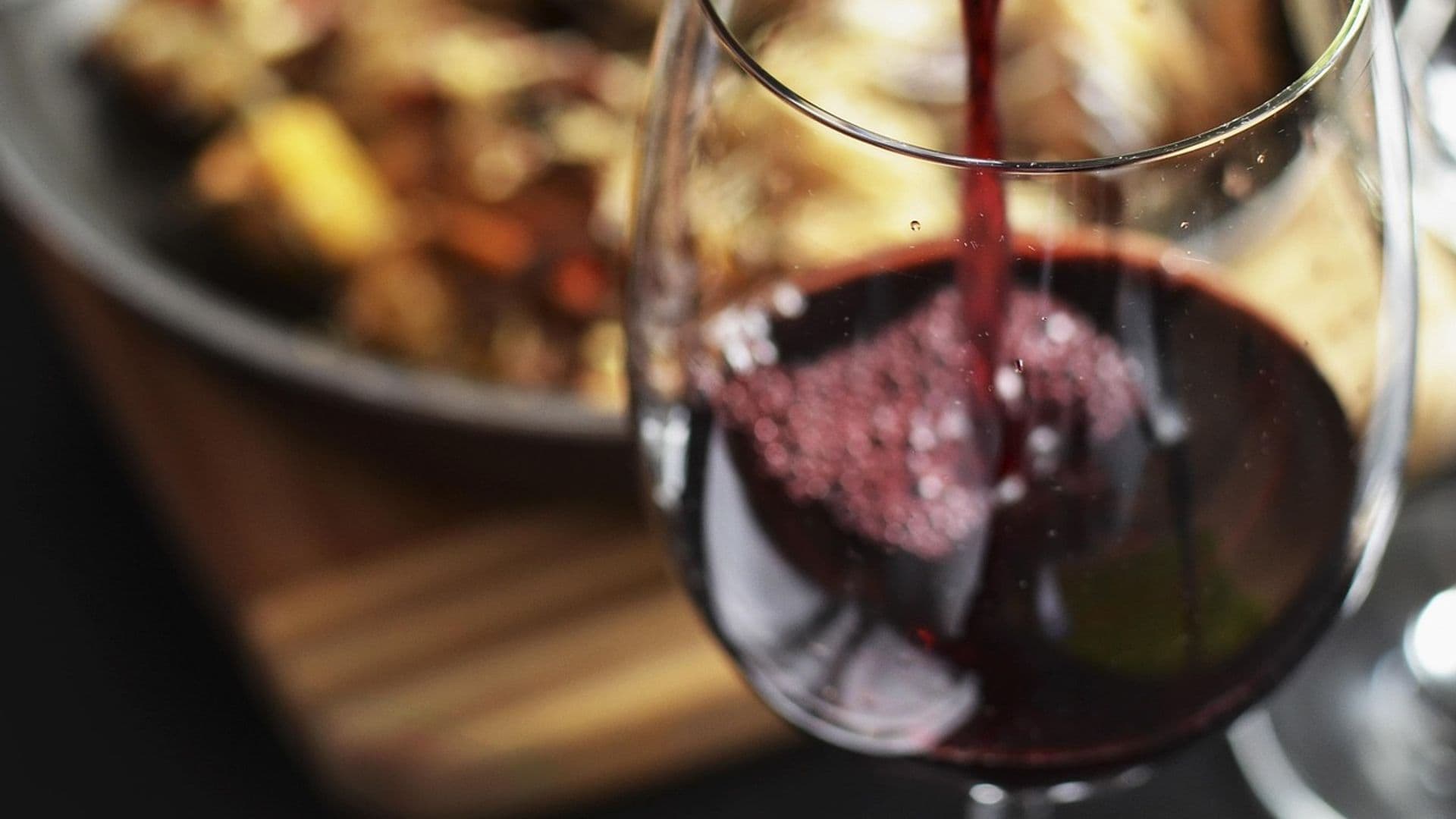
St Martin's wine is the first wine of the new vintage — a young, light, easy-drinking wine released each year on November 11. The Czechs often compare it to French Beaujolais Nouveau: fresh, fruity and meant to be enjoyed young.
A few things that make it special:
- The first bottles across the country are opened at exactly 11:11am on November 11 — the time and date echoing the saint's day.
- It's a certified, trademark-protected label: only wines from approved Czech grape varieties (such as Müller Thurgau for whites and Modrý Portugal / Svatovavřinecké for reds and rosés) may carry the St Martin's name.
- It comes in white, rosé and red.
Not to be confused with burčák: burčák is the cloudy, still-fermenting young wine of the August–November harvest season. St Martin's wine is the finished, bottled wine released on one date — November 11. If you'd like the full story of the harvest-season drink, see our guide to Czech young wine (burčák).
The roast goose feast
The centrepiece of the day is roast goose (svatomartinská husa), slow-cooked until the skin is crisp and the meat tender. It's traditionally served with red and white cabbage and bread or potato dumplings, and often preceded by a rich goose-broth soup and goose-liver pâté.
In the days around November 11, restaurants across the Czech Republic roll out special St Martin's menus pairing the goose with the new wine. It's hugely popular — so if you want the full feast in Prague, book a table ahead, ideally a week or more in advance.
How to enjoy St Martin's Day in Prague
St Martin's Day is one of the best reasons to be in Prague in November. The city is quieter than in summer, the autumn light is beautiful, and there's a genuine sense of seasonal celebration.
Make a day of it: explore the city while it's calm and atmospheric, then settle in for a goose dinner in the evening. A morning or afternoon walking tour of the Old Town and Charles Bridge with a guide is a lovely way to see Prague at its most peaceful, before the feast begins. Many of the city's restaurants — from traditional Czech pubs to fine-dining rooms — offer St Martin's goose menus during the season.
Frequently Asked Questions
When is St Martin's Day?
November 11 every year. The ritual moment is 11:11am, when the first St Martin's wine is uncorked across the country.
What do Czechs eat on St Martin's Day?
The classic feast is roast goose with red and white cabbage and dumplings, usually after a goose-broth soup and a little goose-liver pâté — washed down with the new wine.
What is St Martin's wine?
The first wine of the new vintage — young, light and fruity, the Czech answer to Beaujolais Nouveau. It's a protected label made only from approved Czech grapes, in white, rosé and red.
Is St Martin's wine the same as burčák?
No. Burčák is the cloudy, still-fermenting young wine sold from August to November. St Martin's wine is the finished, bottled wine released on November 11.
Is St Martin's Day a public holiday in the Czech Republic?
No — it's a normal working day. But restaurants and wine bars mark it with special goose-and-wine menus, so it's worth booking ahead.
Where can I have St Martin's goose in Prague?
Across the city through the season — from traditional pubs to fine-dining rooms. The goose menus fill up fast, so reserve a table in advance.
Want to see Prague for yourself?
Try our medieval dinner experience