What Is Burčák? A Guide to Czech Young Wine Season
Quick answer: Burčák is a partially fermented young wine — cloudy, sweet, lightly fizzy and still actively fermenting as you drink it. By Czech law it can only be sold from 1 August to 30 November, and the best of it appears from late September to mid-October. It's usually around 4–6% alcohol but tastes deceptively like sweet grape juice. Genuine burčák is made only from Czech-grown grapes, doesn't travel, and is best drunk within a day or two — which is exactly why visiting in autumn is the only way to try it.
Every autumn, market stalls, wine bars and harvest festivals across the country fill up with burčák. For Czechs it's a seasonal ritual as much as a drink — a sign that autumn has arrived.
What is burčák?
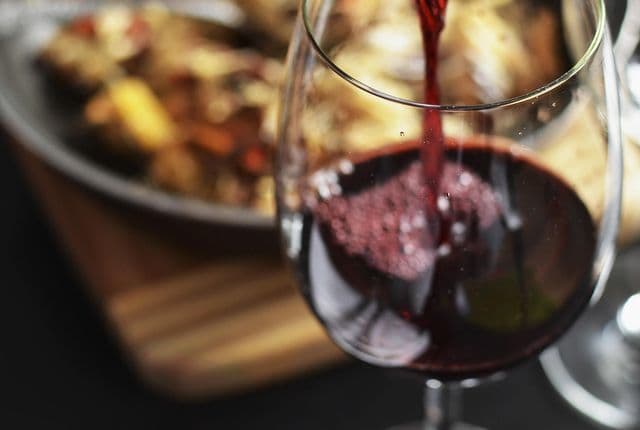
Burčák is grape must that has only partly fermented — caught at the stage when the yeast has turned some of the sugar into alcohol, but the process isn't finished. The result is cloudy and golden (or pink, from red grapes), sweet, gently sparkling, and still alive: it keeps fermenting even in the cup.
That live fermentation is why it's such a local phenomenon. Burčák has to be drunk fresh — within a day or two — and can't be sealed tightly or transported far, because the ongoing fermentation produces gas. You simply cannot buy real burčák abroad. To taste it, you have to be in the Czech Republic in autumn.
The name "burčák" is protected by Czech and EU law: only partially fermented wine made from grapes grown and processed in the Czech Republic that year may be called burčák. Similar drinks made from imported grapes have to be labelled "partially fermented grape must" instead.
When is burčák season?
By law, burčák can only be sold between 1 August and 30 November. In practice the season builds through late summer and peaks from late September to mid-October, when the main grape harvest is in full swing. That autumn window is also when the harvest festivals (vinobraní) take over towns and Prague riverbanks.
Because it depends on the harvest, exact timing shifts a little each year — but if you're in the Czech Republic anywhere from September to mid-October, you'll find it.
How strong is it, and what does it taste like?
This is the friendly trap of burčák: it tastes like sweet, fizzy grape juice, so it's very easy to drink — but it's properly alcoholic, usually around 4–6%, a bit stronger than most beer. Because the sugar masks the alcohol, it can sneak up on you, so pace yourself.
The flavour is sweet and grapey, slightly yeasty, and lightly sparkling from the live fermentation. There's a popular local belief that burčák in moderation is good for you, thanks to its vitamins and active yeast — charming folklore, best enjoyed in the same spirit as the drink itself.
Burčák vs St Martin's wine — what's the difference?
Visitors often mix these two up, because both are Czech autumn wine traditions — but they're different drinks at different stages:
- Burčák is unfinished — partially fermented, cloudy, sweet and fizzy, drunk straight from the harvest between August and November.
- St Martin's wine (Svatomartinské víno) is finished — a fully fermented, bottled young wine released on 11 November (St Martin's Day), traditionally uncorked at 11:11am and served with roast goose.
In short: burčák is the lively, in-progress taste of the harvest; St Martin's wine is the first proper bottled wine of the new vintage.
Where to try burčák in Prague and Moravia
You'll find burčák all over the country in autumn:
- In Prague — at the autumn harvest festivals (vinobraní), especially along the Náplavka riverbank and in parks like Grébovka (Havlíčkovy sady); also at market stalls and wine bars around the city.
- In Moravia — the heart of Czech winemaking, where wine villages around Mikulov, Znojmo and Valtice hold their own vinobraní and sell burčák straight from the source.
If you're spending time in Prague, the easiest way to combine the city with a taste of the season is a guided walk through the centre, ending at one of the riverside wine festivals. We run a private full-day Prague tour with an English-speaking guide, and if you're curious about Czech wine more broadly, our guide to the Moravian wine region is a good next read.
Frequently Asked Questions
What is burčák?
A partially fermented young wine — cloudy, sweet and still actively fermenting. It's caught mid-fermentation, so it sits somewhere between grape juice and finished wine.
How do you pronounce burčák?
Roughly "BOOR-chahk." You may also see it written without the diacritics as "burcak."
When is burčák season in the Czech Republic?
Legally August to November, but aim for late September through mid-October — peak harvest, and when the vinobraní festivals are in full swing.
How strong is burčák?
Around 4–6% — a notch above beer — despite tasting like sweet grape juice. That sugar disguises the alcohol, so it's easy to drink more than you planned.
What's the difference between burčák and St Martin's wine?
Burčák is the still-fermenting taste of the harvest, sold from late summer into November. St Martin's wine is a finished, bottled wine launched on 11 November. Same season, two very different stages.
Can you buy burčák outside the Czech Republic?
Not really — it keeps fermenting, so it can't be sealed or shipped and has to be drunk within a day or two. Autumn in the Czech Republic is the only place to find the real thing.
Want to see Prague for yourself?
Try our medieval dinner experience