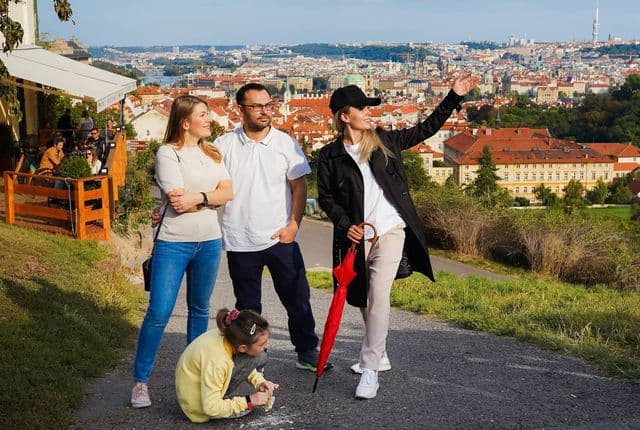
Prague, Budapest, and Vienna — The Perfect 10-Day Itinerary
Three capitals, ten days, one of the best multi-city routes in Europe. Prague, Vienna, and Budapest form a triangle of historic cities connected by fast trains, each with a distinct character that makes the others more interesting by contrast. We've helped thousands of guests plan this exact route, and the itinerary below reflects what actually works — not just what looks good on a map.
The total distance by train is roughly 900 km. All three cities are connected by direct rail, with the longest leg (Budapest to Prague) taking about 6.5 hours. You'll move between Gothic spires, imperial palaces, and thermal baths without ever setting foot in an airport.
Days 1–4: Prague
Day 1 — Arrival and Old Town
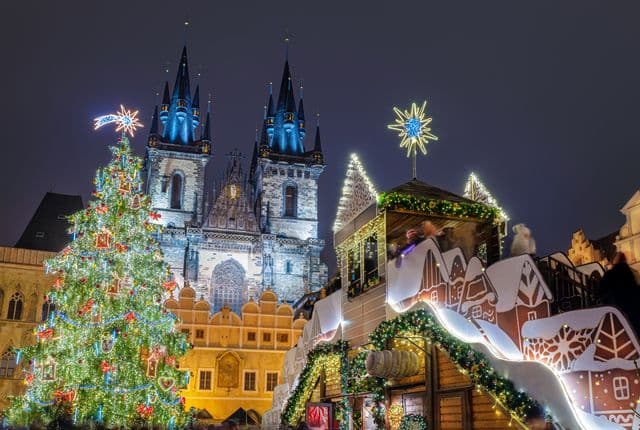
Arrive in Prague and check into your hotel. If you land before noon, drop your bags and walk straight to Old Town Square. The Astronomical Clock performs its show every hour on the hour — stand below the tower at :58 and watch the Twelve Apostles appear from the small doors above the clock face. The mechanism dates to 1410, and it still draws a crowd 600 years later.
From the square, walk south toward the Vltava River along Karlova street. Grab a late lunch at a traditional Czech restaurant — try svíčková, the national dish of marinated beef with cream sauce and bread dumplings. A good meal in a local pub costs around €8–12 per person (as of 2026).
In the evening, take a walk along the riverside. The view of Prague Castle lit up across the water is one of the finest in Europe.
Day 2 — Prague Castle and Malá Strana
Start early. Our All Prague in One Day private tour covers this perfectly, but if you're exploring on your own, here's the route.
Cross Charles Bridge before 8 AM — at that hour, you'll share it with joggers and photographers instead of tour groups. The bridge has 30 Baroque sculptures lining its balustrades, and the play of morning light on the stone and statues is worth the early alarm.
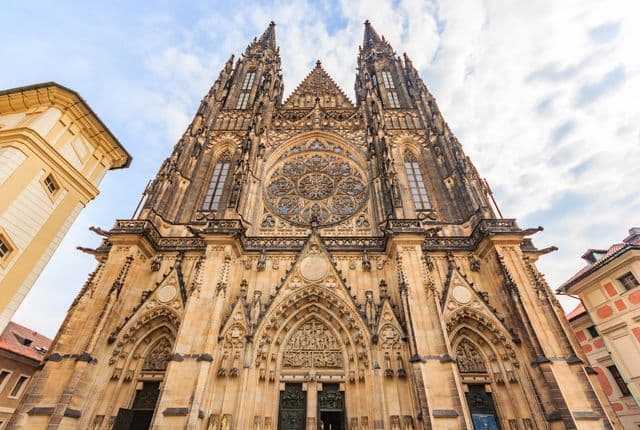
Walk uphill through Malá Strana (Lesser Town) to Prague Castle. Enter through the main gate and head for St. Vitus Cathedral — the stained-glass windows by Alfons Mucha are extraordinary, and the nave's height makes most visitors pause in the doorway. The castle complex covers 70,000 square metres, so allow 2–3 hours.
Descend through the castle gardens back to Malá Strana for lunch. Café Savoy on Vítězná street or Lokál u Bílé Kuželky on Míšeňská are solid choices.
Afternoon: explore Malá Strana's quiet streets. Wallenstein Garden (free entry, open April–October) has a sala terrena with frescoes and a wall of artificial stalactites that surprises everyone who sees it.
Day 3 — Jewish Quarter and Day Trip Options
Morning: walk through Josefov, Prague's Jewish Quarter. The Old Jewish Cemetery (12,000 tombstones layered over centuries) and the Spanish Synagogue (spectacular Moorish interior) are the highlights. Budget 2 hours.
Afternoon option 1: Underground Prague tour — medieval cellars, Romanesque rooms, and a hidden alchemist's workshop discovered during the 2002 floods.
Afternoon option 2: Petřín Hill — take the funicular up (once reopened — check dpp.cz), climb the lookout tower (a mini Eiffel Tower with panoramic views), and walk back down through orchards and gardens.
Day 4 — Day Trip: Český Krumlov or Kutná Hora
Use your fourth day for a day trip. Český Krumlov, a UNESCO-listed town 170 km south, feels like stepping into the 16th century — a castle on a cliff above the Vltava, a medieval center barely changed in 400 years, and a giant bear moat (yes, real bears live in the castle moat).
Alternatively, Kutná Hora (80 km east) has the famous Sedlec Ossuary (the "Bone Church"), where the skeletons of 40,000 people have been arranged into decorations including a chandelier made from every bone in the human body.
Evening back in Prague: the Medieval Dinner Show at U Pavouka Tavern is the best way to close your Prague stay. Fire dancers, sword swallowers, and a multi-course feast in a 15th-century cellar — guests consistently call it the most memorable evening of the trip.
Day 5 — Train to Vienna
Take the morning Regiojet or ÖBB train from Prague to Vienna — direct, roughly 4 hours, and one of the most scenic rail routes in Central Europe. The train follows the Vltava valley south before crossing into Austria through the Moravian countryside. Tickets cost €15–30 if booked in advance on regiojet.com.
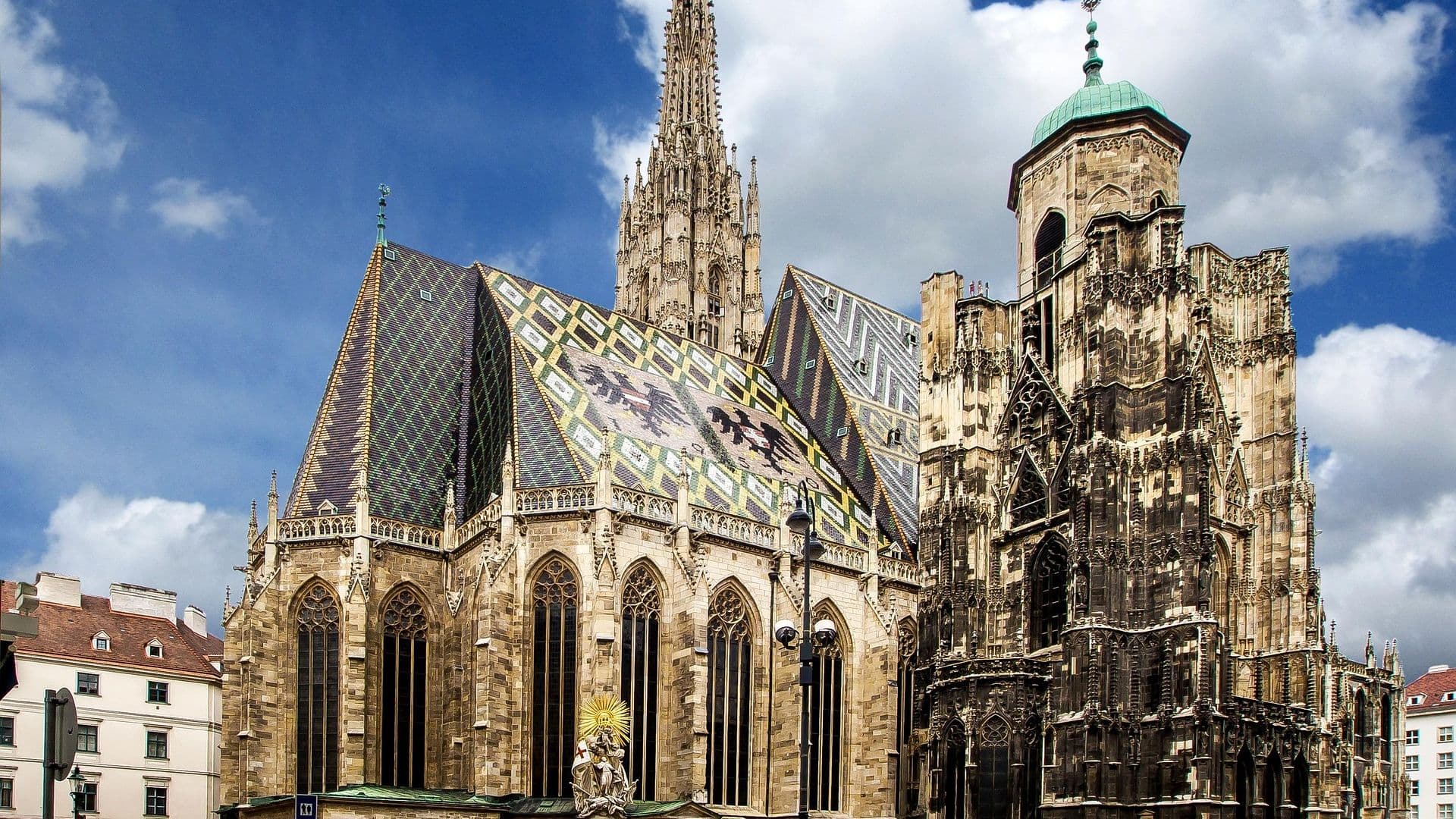
Arrive in Vienna by early afternoon. Drop bags and walk to Stephansdom (St. Stephen's Cathedral) in the center. Climb the south tower for city views, then stroll along the Graben and Kohlmarkt — Vienna's elegant shopping streets.
Evening: find a traditional Beisl (Viennese tavern) for Wiener Schnitzel and a glass of Grüner Veltliner. Figlmüller near Stephansdom is the famous option; Zum Schwarzen Kameel is more local.
Days 6–7: Vienna
Day 6 — Imperial Vienna
Morning: Schönbrunn Palace. Take the metro to Schönbrunn station and budget 3 hours for the palace, gardens, and the Gloriette viewpoint. Book tickets online to skip queues.
Afternoon: walk through the Ringstraße boulevard — Parliament, Vienna State Opera, Hofburg Palace, and the Museums Quarter line this grand arc around the inner city. The Kunsthistorisches Museum (art history museum) alone is worth 2 hours — its collection of Bruegels is the finest in the world.
Evening: attend a classical concert. Vienna's musical heritage is everywhere — Mozart, Beethoven, Schubert, Strauss all lived here. Concert tickets start from €30 in churches, more at the Musikverein or State Opera.
Day 7 — Vienna at Your Pace
This is your flexible day. Options:
- Belvedere Palace: Klimt's "The Kiss" lives here, along with the best collection of Austrian art.
- Naschmarkt: Vienna's famous food market — spices, cheese, oysters, and pastries in a long row of stalls.
- Prater and Riesenrad: the giant Ferris wheel from "The Third Man" — ride it for sunset views.
- Heuriger in Grinzing: take the tram to the wine village and sample new Viennese wine at a traditional tavern.
Day 8 — Train to Budapest
The Vienna–Budapest train runs directly in about 2.5 hours. Trains depart from Wien Hauptbahnhof every hour or two. Book through ÖBB or MÁV-START — advance tickets from €15.
A private guide makes all the difference when exploring this part of Prague.
Arrive in Budapest and head to your hotel. The city is divided by the Danube — Buda (hilly, castle side) and Pest (flat, commercial side). Stay in Pest for better restaurant access, or in the Castle District for atmosphere.
Afternoon: walk the Danube Promenade on the Pest side. The Hungarian Parliament Building — a Gothic Revival monster stretching 268 metres along the water — is the most impressive parliament in Europe. See it from across the river first for the full effect.
Evening: ruin bars. Szimpla Kert, in the old Jewish Quarter, started the trend — a derelict apartment building turned into a bar complex with mismatched furniture, garden courtyards, and a crowd that mixes locals and travelers. Go before 10 PM to get a seat.
Days 9–10: Budapest
Day 9 — Buda Castle and Thermal Baths
Morning: cross the Chain Bridge to Buda and walk up to the Castle District. Matthias Church (its colourful tiled roof is unmistakable) and the Fisherman's Bastion (neo-Romanesque terraces with the best Danube panorama) are both here.
Afternoon: Budapest's thermal baths are the city's signature experience. Széchenyi Baths (in City Park, Pest side) are the largest and most photogenic — outdoor pools steaming in open air, a neo-Baroque yellow building, and local chess players sitting in chest-deep hot water. Entry around 7,000 HUF (roughly €18). Go in the afternoon, avoid weekends if possible.
Day 10 — Pest Exploration and Departure
Morning: walk through the Jewish Quarter — the Great Synagogue (Europe's largest), Shoes on the Danube Bank memorial, and the ruin bar neighbourhood by daylight.
The Central Market Hall (Nagy Vásárcsarnok) near Liberty Bridge is Budapest's best food market — Hungarian salami, paprika, lángos (fried dough with sour cream), and chimney cake. This is where you buy souvenirs and pick up last-minute paprika.
Afternoon: depart from Budapest. Flights connect to most European cities, or you can continue by train to Bratislava (2.5 hours) or Kraków (5.5 hours) if your trip continues.
Practical Tips for the Triangle Route
Train tickets: book 2–4 weeks ahead for the best prices. Regiojet (Prague–Vienna) and MÁV-START (Vienna–Budapest) offer the cheapest fares. ÖBB covers all three legs. Seat reservations are recommended but not always required.
Currency: Czech Republic uses CZK, Austria uses EUR, Hungary uses HUF. ATMs are the best way to get cash in each country. Cards are widely accepted in all three cities, though small Budapest restaurants sometimes prefer cash.
Language: English is widely spoken by younger people in all three cities. A few words of Czech (děkuji — thank you), German (danke), and Hungarian (köszönöm) go a long way.
Luggage: all three train stations have luggage storage. If your checkout is before your train, store bags and explore. Prague's main station (Praha Hlavní Nádraží) has lockers on the lower level.
Direction: we recommend Prague → Vienna → Budapest, finishing with Budapest's thermal baths. But the reverse works equally well. Avoid putting Vienna in the middle if you're on a tight budget — it's the most expensive of the three.
Experience Prague With a Private Guide
Start your Central European trip the right way. Our All Prague in One Day private tour covers the castle, Charles Bridge, Old Town, and the Jewish Quarter in a single walk — with a licensed local guide, at your pace. Exclusively yours.
For the evening, the Medieval Dinner Show at a 15th-century tavern is a Prague experience you won't find in Vienna or Budapest.
See all our private tours of Prague and Czech Republic.
Frequently Asked Questions
What is the best order for Prague, Vienna, and Budapest?
Prague → Vienna → Budapest is the most popular route — it builds from compact Gothic Prague through imperial Vienna to the grandeur of Budapest. But any order works. The key is booking one-way trains rather than returning to your starting city.
How many days do you need for all three cities?
Ten days is the sweet spot — four in Prague, three in Vienna, three in Budapest. You can compress to seven days (3/2/2), but you'll feel rushed. Twelve days allows day trips from each city.
Is the train or plane better between these cities?
Train, always. Prague–Vienna is 4 hours, Vienna–Budapest is 2.5 hours. City-center to city-center, no security lines, no baggage fees, and scenic countryside views. Planes require airport transfers that negate any time savings.
How much does the Prague-Budapest-Vienna trip cost?
Budget travelers: €80–120/day including hotels, food, transport, and sights. Mid-range: €150–220/day. Train tickets for all three legs total €40–80 if booked in advance.
Do I need a visa for all three countries?
All three are in the Schengen Area. One Schengen visa (or visa-free access for US/UK/Canadian/Australian citizens) covers the entire route with no border checks between cities.
You May Also Like
Want to see Prague for yourself?
Take our flagship Prague tour-6-640x430.jpg&w=3840&q=75)