Prague in January — Quiet Streets and the Lowest Prices
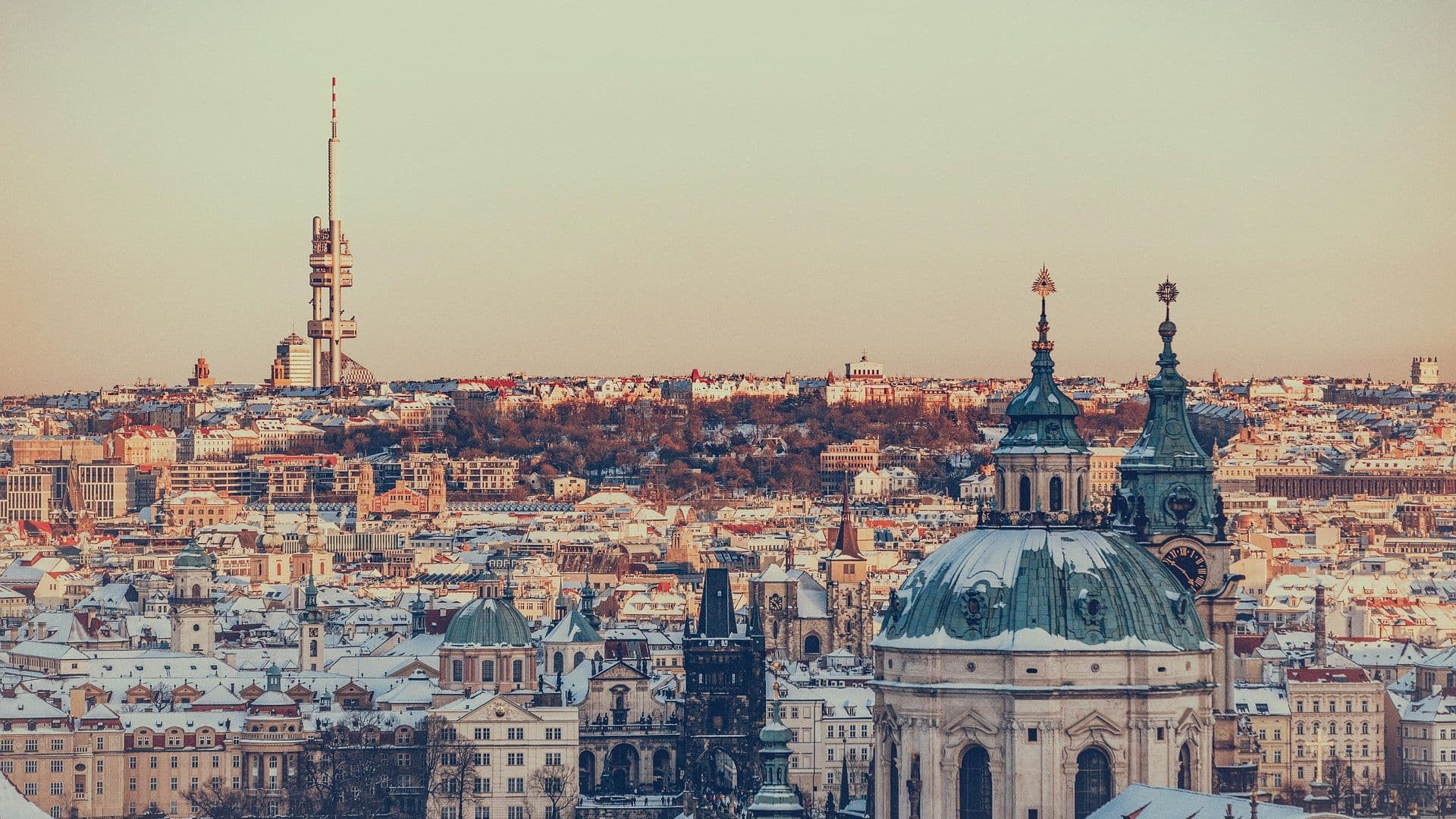
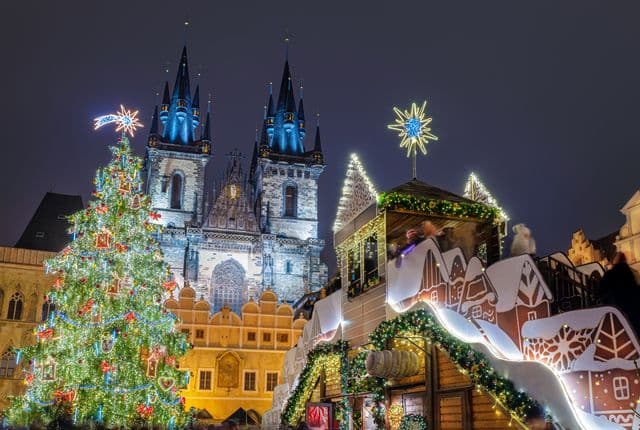
January is Prague's quietest month. Average temperatures hover around -1°C to 3°C, hotel prices drop to their annual low, and major attractions have virtually no queues. The Christmas markets close by January 6th, leaving a city that belongs mostly to locals — and the few travelers smart enough to visit off-season.
Weather and What to Pack
January temperatures in Prague range from about -4°C at night to 3°C during the day, though cold snaps can push daytime temperatures below -5°C. Snowfall is possible but not guaranteed — some Januarys are grey and damp, others are crisp and white. Daylight hours are short: sunrise around 8 AM, sunset around 4:30 PM.
What to pack: a serious winter coat (not a light jacket), thermal layers, a warm hat, gloves, and a scarf. Waterproof boots with grip are essential — cobblestones get icy, especially on the castle hill and side streets in Malá Strana. We walk our winter tours in merino wool base layers and insulated boots, and we recommend our guests do the same. If your feet are warm, everything else is manageable.
Events and Festivals
Three Kings Day (January 6) — the Feast of the Epiphany marks the official end of the Christmas season. Groups of carol singers (tříkrálové skupinky) dressed as the Three Magi walk Prague's streets collecting for charity. It's a charming tradition, and the remaining Christmas decorations come down after this date.
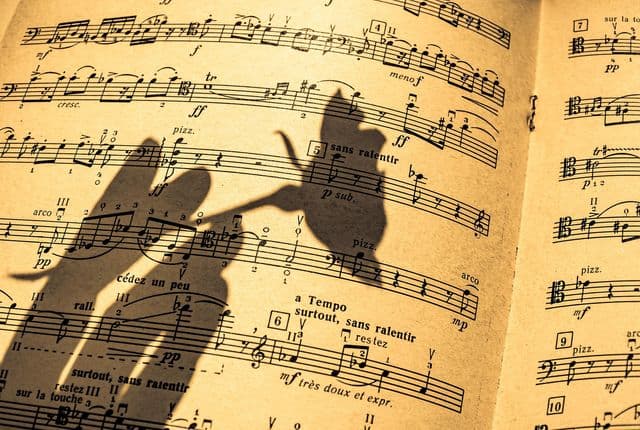
Prague Winter Festival — classical music concerts in historic churches and palace halls, typically running through the first two weeks of January. Intimate venues like the Klementinum Chapel and St. Nicholas Church in Malá Strana host chamber ensembles and soloists.
Restaurant Week (late January) — Prague's top restaurants offer multi-course set menus at reduced prices (around 750–1,250 CZK). An excellent chance to try Michelin-level dining at a fraction of the normal cost.
What's Open and What's Closed
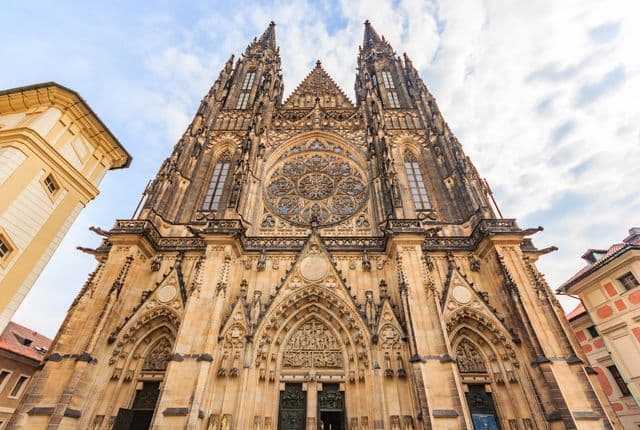
All major museums, galleries, and attractions are open year-round, including Prague Castle, St. Vitus Cathedral, the Jewish Museum, the National Museum, and the National Gallery.
Closed or limited: castle gardens (most close November–March), Petřín Hill funicular (may have maintenance closures — check dpp.cz), outdoor markets (except occasional winter events), and some river cruise companies that pause in deep winter.
Restaurants and cafes are fully operational. Pubs are arguably at their best in January — they're warm, uncrowded, and the beer tastes even better when it's freezing outside.
Crowds and Prices
January has the lowest tourist numbers of any month in Prague. Attractions that have 30-minute queues in summer have none. Charles Bridge at midday might have a few dozen people instead of several hundred. Prague Castle's courtyards feel almost private before noon.
Hotel prices drop 30–50% compared to summer peaks. A mid-range hotel in Old Town or Malá Strana that costs €130–180 per night in July might run €70–100 in January. Airbnb prices follow a similar pattern.
Flights to Prague are also cheaper, with European budget carriers offering fares significantly below summer levels.
Best Things to Do in Prague in January
Warm up in a traditional pub. January is perfect pub weather. Find a neighbourhood hospoda (pub) in Žižkov, Vinohrady, or Smíchov, order a half-litre of Pilsner Urquell or Kozel (around 55–65 CZK as of 2026), and settle into the atmosphere. U Fleků, the 500-year-old brewery near Wenceslas Square, brews its own dark lager and has been pouring since 1499.
Explore museums without crowds. The National Gallery's permanent collection at Veletržní palác (Trade Fair Palace) in Holešovice is world-class — Czech Cubism, modern European art, and rotating exhibitions in a stunning functionalist building. In January, you'll have entire galleries to yourself.
Walk Prague Castle at dawn. Winter sunrise over the castle at 8 AM means the golden light hits the city at a reasonable hour. The courtyards are nearly empty, and St. Vitus Cathedral's stained-glass windows glow without the crowds pressing in behind you.
Attend a classical concert. Prague has more live classical music per capita than almost any European city. In January, concerts move into churches and palace halls — the acoustics in the Dvořák Hall at the Rudolfinum are exceptional, and tickets start from around €15–30.
Try Czech comfort food. January weather demands hearty meals. Svíčková, pork knee (vepřové koleno), kulajda (creamy dill and potato soup), and bramboráky (potato pancakes) are at their best in cold weather. Our guests always say the food hits different in winter — because it does.
Neighbourhood Warmth
January is the best month to explore Prague's residential neighbourhoods without crowds. Vinohrady — the elegant district east of Wenceslas Square — has Art Nouveau apartment buildings, independent cafes, and restaurants where you'll be the only tourist. Walk along Mánesova or Korunní streets and duck into whichever cafe looks inviting.
Žižkov, the bohemian neighbourhood below the TV Tower, has the highest density of pubs per square kilometre in Europe. On a January evening, the glow from pub windows and the sound of conversation spilling into quiet streets creates an atmosphere that no summer beer garden can match. Try U Sadu, Sedm Vlků, or any place with condensation on the windows.
Karlín — rebuilt after the 2002 floods — has become Prague's food capital. In January, you can walk into restaurants like Eska, Proti Proudu, and Můj šálek kávy without reservations and enjoy world-class food in uncrowded rooms. The neighbourhood's grid of streets, with its mix of renovated 19th-century buildings and modern architecture, rewards slow walking even on cold days.
A private guide makes all the difference when exploring this part of Prague.
Indoor Prague Worth Your Time
Prague's museums and galleries are at their most accessible in January. The National Museum on Wenceslas Square — reopened after a major renovation — has natural history, Czech history, and cultural exhibitions across four floors. The monumental staircase and restored interior are worth the visit alone. Budget 2–3 hours.
The Museum of Decorative Arts (UPM) near the Rudolfinum holds one of Central Europe's finest applied arts collections — Bohemian glass, Czech Cubist furniture, Art Nouveau graphics. The glass collection alone traces five centuries of Czech craft. About 250 CZK entry.
The DOX Centre for Contemporary Art in Holešovice — a converted factory with rotating exhibitions — often has its most provocative shows in winter. The rooftop Gulliver airship (a zeppelin-shaped reading room) is worth seeing regardless of the exhibition.
For something unexpected, the National Technical Museum in Holešovice has outstanding vintage car, train, and aviation collections. On a January afternoon with the wind rattling the windows, browsing steam locomotives and 1930s aeroplanes in a warm hall is quietly satisfying.
Winter Walks That Reward the Cold
Not everything about January Prague happens indoors. Clear winter days — when the temperature drops below -3°C and the air is crystalline — produce some of the city's most extraordinary light. The low sun angle creates long shadows and golden illumination on stone facades that summer's overhead sun never achieves.
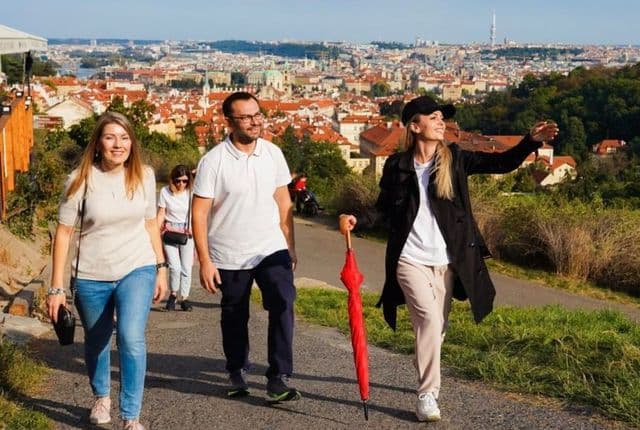
Vyšehrad on a crisp January morning is stunning — the fortress ramparts face south and catch the weak winter sun. The panorama of snow-dusted rooftops and the river below is one of Prague's finest, and you'll likely share it with joggers and dog walkers rather than tour groups.
Letná Park in winter has its own character — bare trees revealing views of the river and bridges that summer foliage hides. The Metronome platform is windswept but the view — seven bridges, the castle, and the Old Town skyline — is clearer in January than any other month.
The walk from Malá Strana up to Prague Castle through the Nerudova street and castle steps is atmospheric in winter — the cobblestones, the Baroque facades, and the occasional drift of snow create the kind of Prague that appears on postcards. Arrive before 9 AM and you'll have it nearly to yourself.
See Prague With a Local Guide
January is one of our favourite months to guide in Prague. The quiet streets, the winter light, and the absence of crowds make it possible to linger at details that get rushed in summer. Our All Prague in One Day private tour covers the castle, Charles Bridge, Old Town, and the Jewish Quarter — and in January, we often have landmarks nearly to ourselves. Exclusively yours, with your own guide.
Warm up after your tour at the Medieval Dinner Show at U Pavouka — a candlelit Gothic cellar feast with fire dancers and unlimited Czech drinks. The medieval tavern atmosphere is especially fitting on a cold January night.
Browse all our private tours of Prague and Czech Republic.
Frequently Asked Questions
Is January a good time to visit Prague?
Yes — if you don't mind cold weather. January offers the lowest prices, shortest queues, and a quiet atmosphere that many visitors prefer to summer crowds. Dress warmly and you'll have an excellent trip.
Does it snow in Prague in January?
Sometimes. Prague gets an average of 3–5 snow days in January, but snowfall isn't guaranteed. Some years have white winters, others are grey and damp. Fresh snow on Prague's rooftops and castle is stunning.
Are Prague Christmas markets open in January?
The main markets close around January 6th (Three Kings Day). After that, the stalls come down and the squares return to normal.
What should I wear in Prague in January?
Winter coat, thermal layers, hat, gloves, scarf, and waterproof boots with good grip. Indoor spaces (restaurants, museums, metro) are well heated, so dress in layers you can remove.
You May Also Like
Want to see Prague for yourself?
Take our flagship Prague tour-6-640x430.jpg&w=3840&q=75)