Prague in Winter: What to See, Do and Experience (A Local Guide)
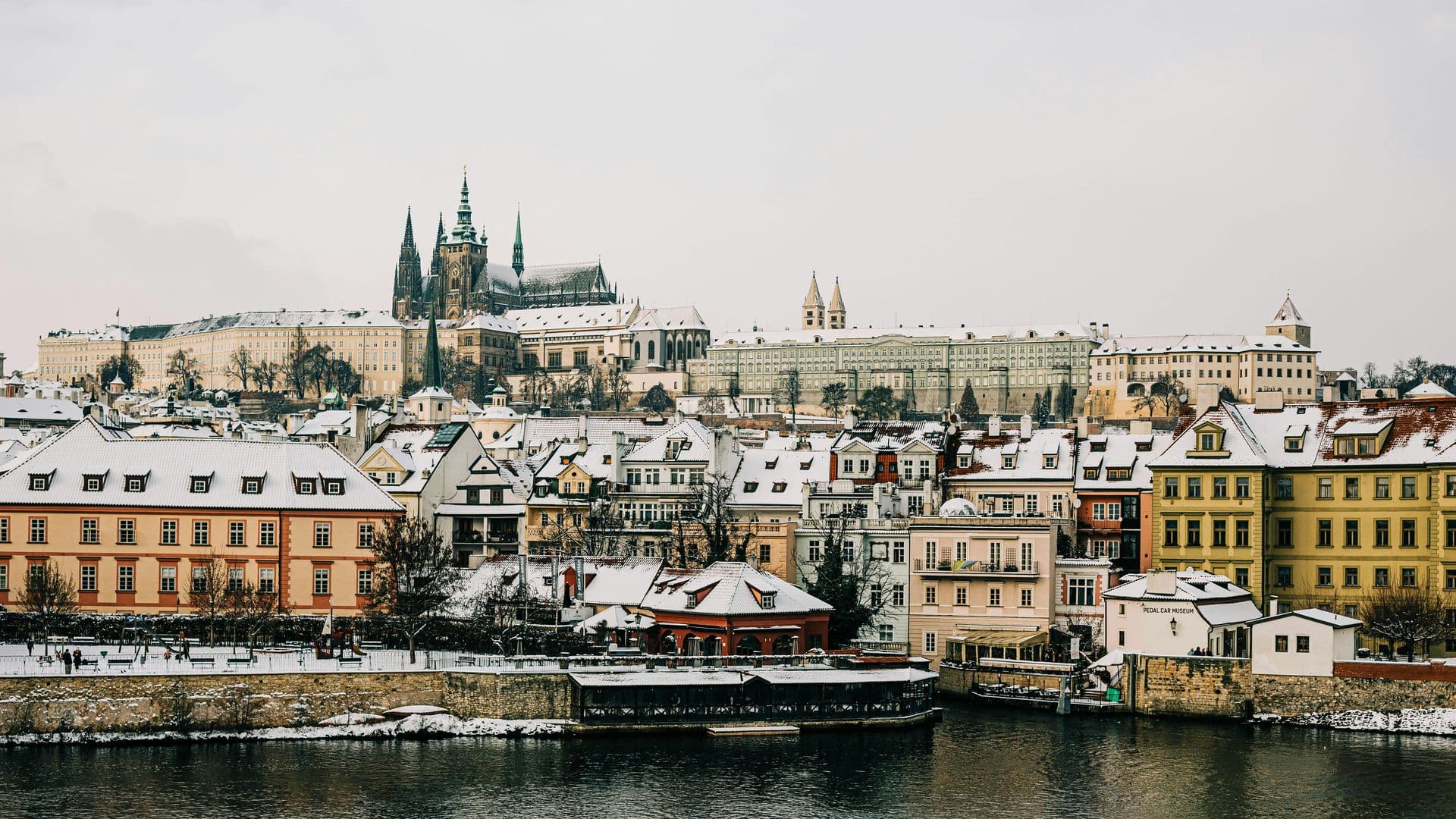
Prague in winter is a different city. The crowds thin out, snow settles on baroque rooftops, and the golden light of street lamps turns every cobblestone street into a scene from a period film. If you've only seen Prague in summer — you haven't seen the whole story.
We've been guiding visitors through Prague for 17 years, in every season. And we'll say it honestly: winter is when this city is at its most atmospheric. Here is everything you need to know about visiting Prague in winter — from Christmas markets to the quiet magic of February.
December: Christmas Markets and Festive Prague
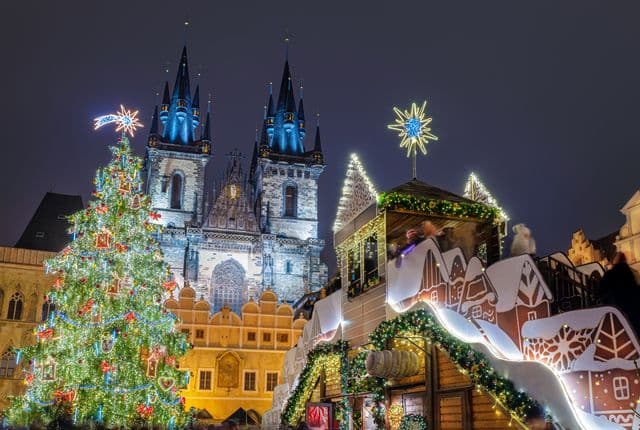
Prague's Christmas markets are regularly voted among the best in Europe — and they deserve that reputation. The city's medieval squares transform into glowing villages of wooden stalls, the smell of mulled wine and roasted chestnuts fills the air, and a giant Christmas tree lights up Old Town Square.
Old Town Square — the main market, the biggest tree, the most atmosphere. Runs from late November through January 6th. Come in the evening when the lights are on and the Astronomical Clock glows above the stalls.
Wenceslas Square — a longer, more local-feeling market stretching from the National Museum downhill. Good for a stroll after exploring the main square.
Peace Square (náměstí Míru) — our local favourite. Fewer tourists, more Czechs, same quality. A 15-minute walk from the centre, or one metro stop on the green line. Opens slightly earlier and closes by December 24th.
Republic Square — next to the Palladium shopping centre, convenient and well-stocked.
What to eat and drink at the markets: svařák (Czech mulled wine — better than the German version, we promise), medovina (hot honey wine), klobása (grilled sausage with mustard and bread), bramborák (crispy potato pancake), and roasted chestnuts. Trdelník is everywhere — it's a relatively recent addition to Prague's food scene, but fun to try at least once.
Read our full food guide: Where to Eat in Prague.
New Year's Eve in Prague
Old Town Square fills with thousands of people on December 31st. There's a stage with live music, a countdown, and at midnight — fireworks over the spires. It's festive, loud, and crowded. If that's your thing, it's unforgettable.
If you prefer something quieter, book a table at one of the riverside restaurants with views of the castle, or join our Medieval Dinner Show at U Pavouka — a 16th-century tavern with sword fights, fire shows, and a five-course feast. A very different New Year's Eve.
January and February: Prague's Best-Kept Secret
This is the part most travel guides don't tell you. After the Christmas markets close on January 6th, Prague enters its quietest season. Hotels drop their prices. The tourist crowds disappear. And the city becomes something it rarely is in summer — peaceful.
Charles Bridge at 9 AM in January? You might have it almost to yourself. Prague Castle without queues? That's January. A window table at a restaurant that's fully booked in July? In February, you just walk in.
The architecture looks different too. Snow on the red rooftops of Malá Strana. Frost on the baroque statues of Charles Bridge. The warm glow of café windows against a grey sky. This is the Prague that photographers dream about.
And everything we offer in summer, we offer in winter too. Our walking tours run year-round, and honestly — some of our best tours happen in winter. Quieter streets, more time to stop and look.
What to Do in Prague in Winter
Walk the city. Prague's centre is compact and walkable even in winter. The key sights — Charles Bridge, Prague Castle, Old Town Square — are all within 30 minutes of each other on foot. Use our itineraries: One Day in Prague or Prague in 2–3 Days.
Warm up in a historic café. Prague has some of Europe's most beautiful coffee houses. Café Savoy, Café Louvre, and Grand Café Orient are all worth a visit — for the interiors as much as the coffee.
Visit museums and galleries. The National Gallery, the Museum Kampa, the Jewish Museum in Josefov, the DOX Centre for Contemporary Art — winter is the perfect time for these, when you want to alternate between outdoor walks and indoor warmth.
Try Czech comfort food. Winter is the season for svíčková, goulash in bread bowls, and dark Czech beer. Read our guide: Where to Eat in Prague.
A private guide makes all the difference when exploring this part of Prague.
Take a day trip. Winter day trips have a completely different atmosphere. Karlštejn Castle dusted with snow looks like it belongs in a fairytale. Kutná Hora and the Bone Church are even more atmospheric without summer crowds. And Karlovy Vary — a spa town — is arguably best in winter, when hot springs steam against cold air. Read: Best Day Trips from Prague.
Go ice skating. Several outdoor rinks open in December and run through February. The one at Letná is the largest; the one on the Vltava riverbank near Charles Bridge is the most scenic.
On a cold day, our Hidden Prague tour is a perfect choice — most of the route is indoors, exploring underground chambers and a Renaissance alchemy lab beneath the Old Town.
Practical Tips for Winter in Prague
Weather: December averages 0–3°C, January and February can drop to -5°C. Snow is possible but not guaranteed. Rain and grey skies are common.
What to wear: Layers. A warm coat, scarf, gloves, hat, and waterproof shoes with good grip — cobblestones get slippery. Don't underestimate the cold near the river.
Daylight: Sunrise around 7:30–8:00 AM, sunset around 4:00–4:30 PM. Plan outdoor sightseeing for daylight hours and save museums and restaurants for the evening.
Crowds: December is busy because of Christmas markets, especially weekends. January and February are the quietest months of the year — ideal for those who want Prague without tourists.
Prices: Hotel rates drop significantly in January and February. Flights are cheaper too. This is the most budget-friendly time to visit Prague.
Where to stay: Same neighbourhoods as any other season — Old Town for convenience, Malá Strana for atmosphere, Vinohrady for the local experience. Read: Where to Stay in Prague.
Travelling with kids in winter? Absolutely. Prague Castle in the snow, the Christmas markets, hot chocolate everywhere, and the Medieval Dinner Show is a hit with children year-round. Read: Prague with Kids.
Why a Private Winter Tour Makes a Difference
In summer, Prague's streets are packed and you're competing with crowds at every landmark. In winter, the city opens up — and a private tour lets you enjoy it fully. We adjust the pace to the weather, duck into warm cafés when you need a break, and take you to the views that are even more stunning under grey skies and snow.
Winter is when Prague feels most like a secret. Let us show you why.
Prague is magical in every season. Our All Prague in One Day tour runs year-round — including winter, when the crowds are thinner and the views from Vyšehrad are at their most atmospheric.
Browse all our private tours in Prague.
Frequently Asked Questions
Is Prague worth visiting in winter? Absolutely. Winter Prague is atmospheric, uncrowded, and more affordable. December has Christmas markets, January and February offer the city at its quietest and most photogenic. Many locals consider winter the best season to experience Prague.
Is Prague cold in winter? Yes. Temperatures range from -5°C to 3°C (23–37°F). Snow is possible. Dress in warm layers, waterproof shoes, and bring gloves and a hat. The cold is manageable if you're prepared.
When are Prague Christmas markets open? The main markets on Old Town Square and Wenceslas Square typically run from late November through January 6th. Smaller neighbourhood markets open slightly earlier and close by December 24th. Exact dates vary by year.
What is there to do in Prague in January and February? Everything you can do in summer — minus the crowds. Walking tours, museum visits, day trips, Czech comfort food, café culture. Plus ice skating, winter photography, and the lowest hotel prices of the year.
Is Prague crowded in winter? December is busy, especially around Christmas markets on weekends. January and February are the quietest months — you'll have most attractions almost to yourself.
What should I pack for Prague in winter? A warm coat, layers, a scarf, gloves, a hat, and waterproof shoes with good grip for cobblestones. An umbrella for rain. And a camera — winter Prague is incredibly photogenic.
Want to see Prague for yourself?
Take our flagship Prague tour-6-640x430.jpg&w=3840&q=75)