Prague in March — When Spring Starts Stirring
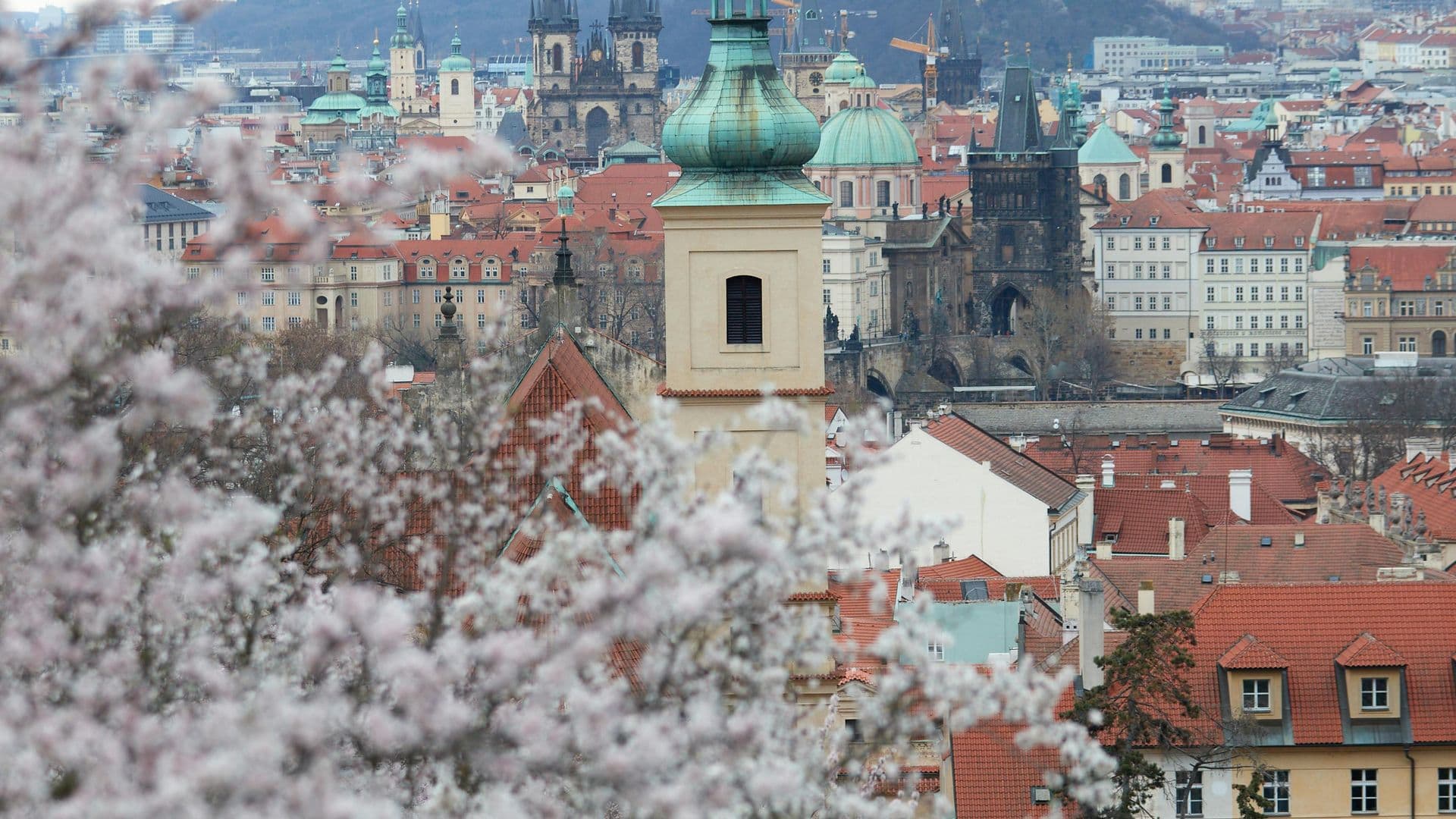
March marks the transition from winter to spring in Prague. Temperatures climb to 4–10°C, daylight stretches past 6 PM, and the first cafe terraces reopen on sheltered squares. Crowds remain low, prices stay reasonable, and the city sheds its winter coat one degree at a time.
Weather and What to Pack
March weather in Prague is unpredictable. The month can start with snow and end with 15°C sunshine. Average daytime temperatures range from 4°C to 10°C, with nights still dropping to around -1°C. Rain is common — March is one of Prague's wetter months.
Pack: a warm layering system rather than a heavy winter coat. A waterproof jacket is essential. Bring a hat and light gloves for early mornings, comfortable walking shoes with good grip (streets can still be wet and slippery), and at least one warmer layer for evenings.
The key insight from years of March guiding: dress for 8°C and be pleasantly surprised if it's warmer. We've had March days that felt like May and March days that felt like January, sometimes in the same week.
Events and Festivals
One World Film Festival (Jeden svět) — one of the world's largest human rights documentary festivals, held in Prague cinemas in early-to-mid March. English-language and subtitled screenings, panel discussions, and Q&A sessions with filmmakers. The festival has run since 1999 and attracts a thoughtful, international audience.
Prague International Book Fair (Svět knihy) — held at Výstaviště in Holešovice, usually in late March or early April. Czech and international publishers, author readings, and literary events. Predominantly Czech-language but with an international programme.
Early spring markets — some farmers' markets resume at Náplavka and Jiřího z Poděbrad square, weather permitting. The selection is limited compared to summer, but the return of outdoor markets signals the shift in seasons.
What's Open and What's Closed
Most attractions operate year-round. Castle gardens begin reopening in late March (usually from April 1, but some areas may open earlier in warm years). The Petřín funicular is closed for reconstruction — check dpp.cz for reopening status.
River cruises begin restarting in March, though schedules are limited. Full summer schedules don't kick in until April or May.
Restaurants and cafes are fully open. March is when the first outdoor terrace chairs appear — usually at south-facing spots in sheltered courtyards. Café Slavia's river-facing windows and Kavárna Obecní dům in the Municipal House are excellent for watching the season change.
Crowds and Prices
March sits comfortably in the low-to-shoulder season. Tourist numbers are still well below summer levels, and you can visit all major attractions without significant waits. Charles Bridge has manageable foot traffic, and Prague Castle courtyards are pleasantly uncrowded.
Hotel prices remain below peak — expect to pay 20–35% less than summer rates. A solid mid-range hotel in Old Town or Vinohrady runs €80–120 per night. Late March, especially around Easter (if Easter falls in March), sees a slight uptick.
Best Things to Do in Prague in March
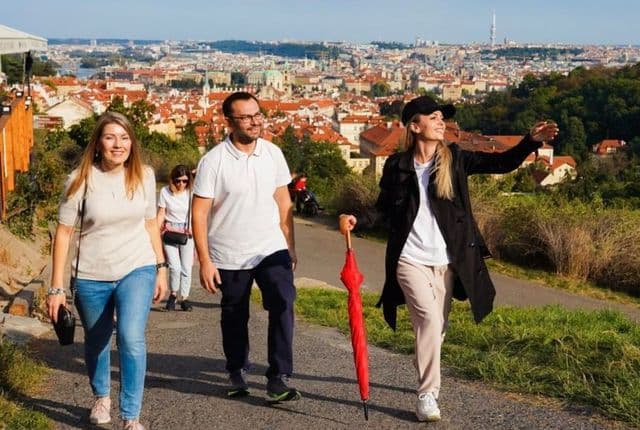
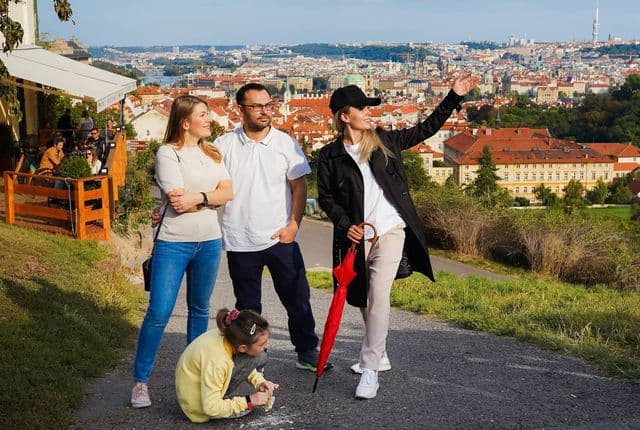
Walk Vyšehrad as the trees bud. The fortress ramparts face south and catch early spring warmth. The cemetery's trees start greening, and the views of the river and castle are clear in March's clean air.
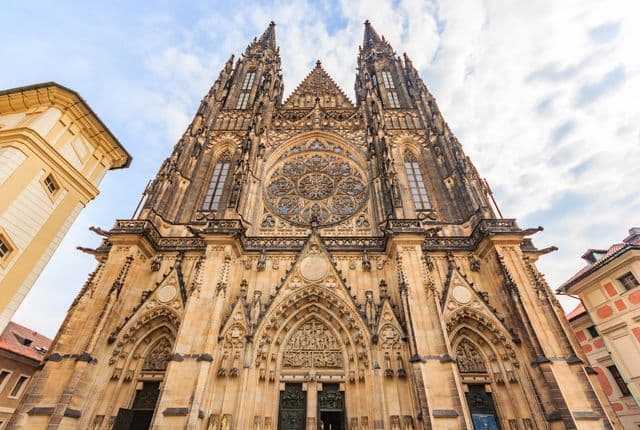
Visit Prague Castle early morning. With low crowds, you can take your time in St. Vitus Cathedral and explore the Old Royal Palace without being pushed through. The Vladislav Hall — where jousting tournaments were held on horseback in the 15th century — feels grand when it's not packed.
Explore Vinohrady. Prague's most liveable neighbourhood is at its best in quieter months. Walk the residential streets, discover small cafes, browse the independent shops, and eat at neighbourhood restaurants where the clientele is entirely local.
Catch a classical concert. Prague's classical music season is in full swing. The Czech Philharmonic at the Rudolfinum, opera at the National Theatre, and chamber concerts in Baroque churches offer performances that rival Vienna's at a fraction of the cost.
Try spring Czech dishes. March brings the first green garlic (medvědí česnek — bear garlic) to menus. Restaurants incorporate it into soups, pestos, and side dishes. Traditional Czech bramboráky (potato pancakes) topped with bear garlic pesto are a seasonal treat.
Indoor-Outdoor Mix
March's unpredictable weather rewards flexibility. Plan mornings outdoors when the weather cooperates, and have indoor alternatives ready when it doesn't. The Jewish Museum complex — the Old Jewish Cemetery, Spanish Synagogue, Pinkas Synagogue, and others — takes 2–3 hours and works perfectly on grey days. The 77,297 names of Czech Holocaust victims hand-painted on the walls of the Pinkas Synagogue are devastating and important regardless of weather.
A private guide makes all the difference when exploring this part of Prague.
The Strahov Library — two spectacular Baroque halls packed with ancient books and globes — is one of Prague's most visually striking interiors. You can view the halls from the doorway (included with the monastery visit, about 150 CZK) or take a special access ticket to walk inside.
On sunny March days, the Charles Bridge in late afternoon has some of the year's best light — the low sun comes from behind the castle and illuminates the 30 statues along the balustrades. The bridge is relatively quiet in March — you can actually stop to look at individual sculptures without being carried along by the crowd.
Early Spring Food
March is when the first spring ingredients arrive in Prague's kitchens. Medvědí česnek (bear garlic or wild garlic) — a pungent green plant that carpets forest floors in March and April — appears on restaurant menus in soups, pestos, and side dishes. It's one of the most distinctly seasonal Czech flavours, and restaurants that serve it do so with enthusiasm.
Kopřivová polévka (nettle soup) is another March tradition — young nettles are harvested before they sting too strongly and turned into a bright green, nutrient-rich soup. It tastes much better than it sounds.
The craft beer scene continues to grow. March sees new seasonal releases from Czech microbreweries — spring ales, wheat beers, and IPAs that signal the shift from winter's heavier dark lagers. Try Pivovar Matuška (considered the best Czech microbrewery) at their taproom or at bars like BeerGeek in Žižkov.
Planning Day Trips
March is ideal for planning day trips that you might want to make in April or May. If the weather cooperates, Karlštejn Castle (30 km from Prague) is already open for visitors and the forests around it are starting to green. The walk from Karlštejn train station to the castle (about 30 minutes uphill) is pleasant in spring air.
Kutná Hora (80 km east) with its Sedlec Ossuary and St. Barbara's Cathedral works year-round and is less crowded in March than any summer month. The trains run frequently from Prague's main station.
See Prague With a Local Guide
March is an ideal time for a private tour. The crowds haven't arrived, the weather is cool enough for comfortable walking, and the low-angle spring light makes the architecture glow. Our All Prague in One Day private tour covers the castle, Charles Bridge, Old Town, and the Jewish Quarter at your pace. Exclusively yours, with your own guide.
After your walk, warm up at the Medieval Dinner Show at U Pavouka — fire dancers and a Gothic cellar feast that feels perfectly suited to early spring evenings.
Browse all our private tours of Prague and Czech Republic.
Frequently Asked Questions
Is March a good time to visit Prague?
Yes. March offers low crowds, reasonable prices, and the excitement of early spring. The weather is variable but manageable with layers. It's a sweet spot for travelers who want to avoid both winter cold and summer crowds.
What's the weather like in Prague in March?
Variable — temperatures range from 4°C to 10°C with possible rain and occasional late snow. Pack layers and a waterproof jacket. Sunshine days are increasingly common as the month progresses.
Are Prague's gardens open in March?
Most castle and palace gardens open April 1. Some parks (Letná, Stromovka, Riegrovy Sady) are open year-round. Petřín Hill's gardens are accessible, though the funicular is closed for reconstruction (check dpp.cz).
Is Easter always in March?
Easter can fall in March or April. When Easter lands in late March, Prague has Easter markets on Old Town Square and Wenceslas Square, bringing a festive atmosphere and slightly higher prices.
You May Also Like
Want to see Prague for yourself?
Take our flagship Prague tour-6-640x430.jpg&w=3840&q=75)