Prague to Berlin by Train — Everything You Need to Know
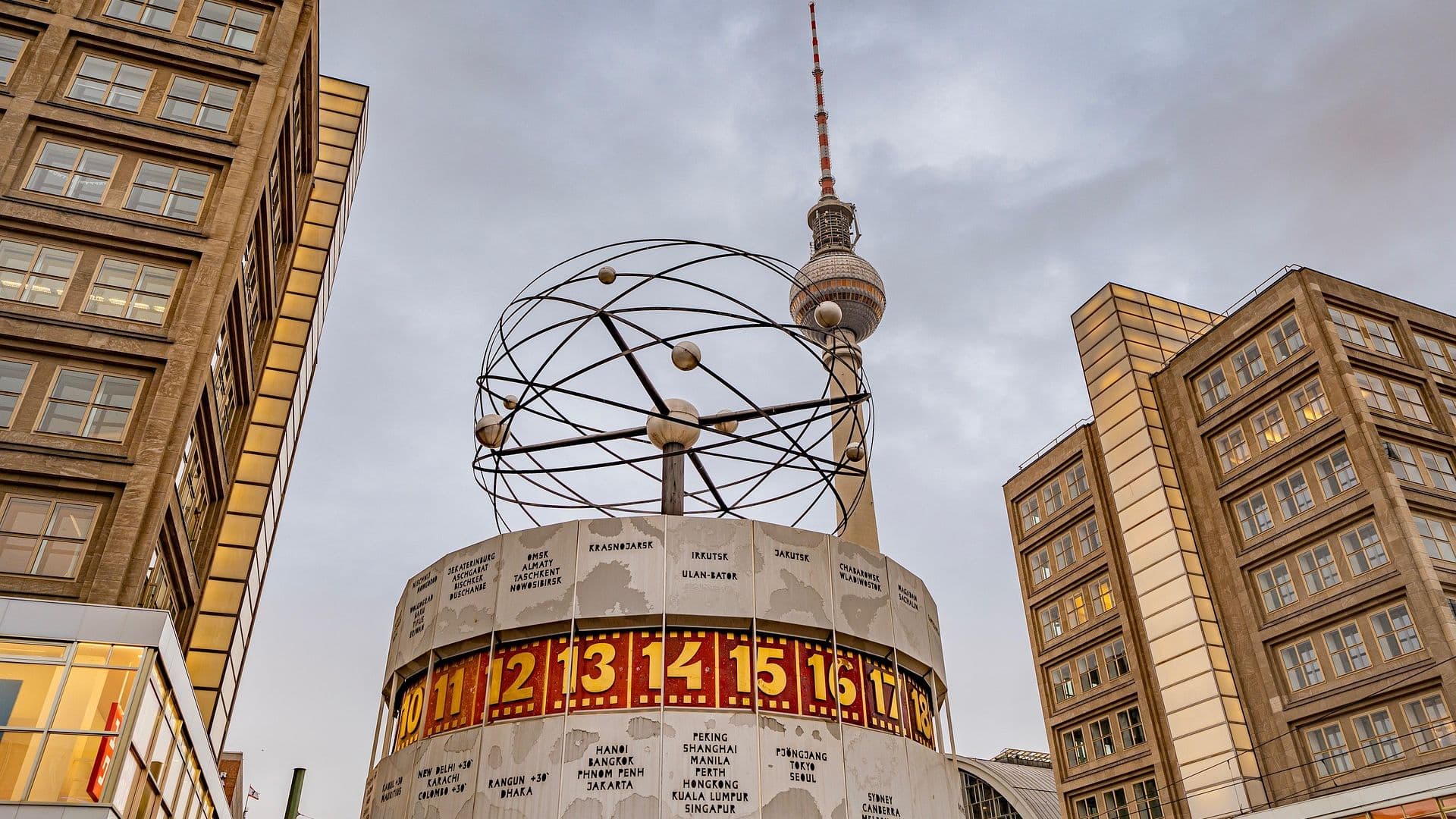
The Prague–Berlin train route is one of Central Europe's most practical rail connections. Direct trains run multiple times daily, the journey takes about 4.5 hours, and the scenery through the Elbe valley and Saxon Switzerland makes it worth staying awake for the entire ride. Whether you're planning a multi-city trip or a quick overnight to the German capital, here's what you need to know.
Train Options and Journey Time
Direct trains between Prague (Praha hlavní nádraží) and Berlin (Hauptbahnhof) run 5–6 times daily, operated jointly by České dráhy (Czech Railways) and Deutsche Bahn. The journey takes approximately 4 hours 20 minutes to 4 hours 40 minutes.
RegioJet also operates on this route with modern coaches, onboard service, and competitive pricing. Their trains are popular with budget-conscious travelers.
FlixTrain occasionally runs seasonal services. Check their website for current schedules.
All direct trains are comfortable, with air conditioning, power outlets, Wi-Fi (variable quality), and a dining car or onboard cafe.
Ticket Prices and How to Book
Prices vary dramatically based on when you book:
- Advance purchase (4+ weeks ahead): €15–25 one way
- 2 weeks ahead: €25–45
- Day of travel: €45–70+
Where to book:
- cd.cz (Czech Railways) — often cheapest for advance tickets
- bahn.de (Deutsche Bahn) — good for combinations with German domestic trains
- regiojet.com — competitive prices with guaranteed seats and onboard service
Advance tickets are the key to low prices. Set fare alerts on cd.cz if your dates are flexible. First-class upgrades are available for about €10–15 more and offer larger seats, quieter carriages, and sometimes complimentary drinks.
The Route and Scenery
The route north from Prague follows the Vltava valley before joining the Elbe (Labe in Czech) near Ústí nad Labem. The stretch through České Švýcarsko (Bohemian Switzerland) and Sächsische Schweiz (Saxon Switzerland) — roughly 90 minutes into the journey — is spectacular. Sandstone formations, forested gorges, and the Elbe cutting through deep valleys make this one of Europe's most scenic rail corridors.
We always tell our guests to sit on the left side of the train (facing forward) for the best views through the gorge. The rock formations near Děčín and Bad Schandau are the highlight — towering sandstone pillars rising from the river valley.
After crossing into Germany, the train passes through Dresden (about 2 hours from Prague) before continuing north through Saxon countryside to Berlin. Dresden is worth a stop — the Frauenkirche, Zwinger Palace, and the Green Vault are exceptional — and breaking the journey here costs nothing extra on a flexible ticket.
Practical Tips
Station info: depart from Praha hlavní nádraží (Prague's main station), arrive at Berlin Hauptbahnhof (main station, central location). Both stations have excellent metro/tram connections.
Border crossing: both countries are in the Schengen Area — no passport control on the train. Keep your ID accessible but don't expect checks.
Luggage: overhead racks and luggage storage areas are available. No luggage limits on Czech or German trains, but space can be tight on busy services. Board early if you have large bags.
Seat reservations: recommended on EC (EuroCity) trains, especially in summer. Not mandatory but guarantees a seat. RegioJet includes mandatory seat assignments with every ticket.
Food: EC trains have a dining car with hot meals (€8–15), beer, coffee, and snacks. RegioJet offers onboard service with food included in some ticket classes.
Planning your visit? A private guide takes the logistics off your plate.
Dresden Stop — Worth the Detour
If you have time, break the journey in Dresden. The city was heavily bombed in 1945 and has been painstakingly rebuilt. The Frauenkirche (Church of Our Lady) — destroyed in the bombing and reconstructed from original stones — is one of Europe's most powerful symbols of reconciliation.
A half-day in Dresden is enough for the Frauenkirche, a walk along the Brühl's Terrace (the "Balcony of Europe" overlooking the Elbe), and the Zwinger Palace courtyard. Trains from Dresden to Berlin continue every hour or two.
Alternatives to the Train
FlixBus runs Prague–Berlin in about 4.5–5 hours for €15–30. Cheaper than same-day train tickets but less comfortable and subject to traffic delays.
Driving takes about 3.5 hours via the D8/A17 motorway. Tolls apply in both countries (Czech motorway vignette + German Autobahn free for cars).
Flying is rarely worth it — by the time you add airport transfers and security, the total travel time exceeds the train. Direct flights exist but are infrequent.
Start Your Central European Trip in Prague
Before you head to Berlin, explore Prague with a local guide. Our All Prague in One Day private tour covers the castle, Charles Bridge, Old Town, and the Jewish Quarter in a single walk. Exclusively yours, with your own guide.
Spend your last Prague evening at the Medieval Dinner Show at U Pavouka — fire dancers, sword swallowers, and a Gothic cellar feast.
Browse all our private tours of Prague and Czech Republic.
Frequently Asked Questions
How long is the train from Prague to Berlin?
Direct trains take approximately 4 hours 20 minutes to 4 hours 40 minutes, depending on the service.
How much does the Prague to Berlin train cost?
Advance tickets start from about 15 EUR booked 4+ weeks ahead. Same-day tickets cost 45-70+ EUR. Book early on cd.cz or regiojet.com for the best prices.
Do I need to book Prague-Berlin train tickets in advance?
Not mandatory, but advance booking saves 50-70% on ticket prices. Seat reservations are recommended on busy services.
Is there a direct train from Prague to Berlin?
Yes. Direct EC (EuroCity) trains run 5-6 times daily. RegioJet also operates direct services.
You May Also Like
Want to see Prague for yourself?
Take our flagship Prague tour
-6-640x430.jpg&w=3840&q=75)