Responsible Tourism in Prague — How to Visit Without Being Part of the Problem
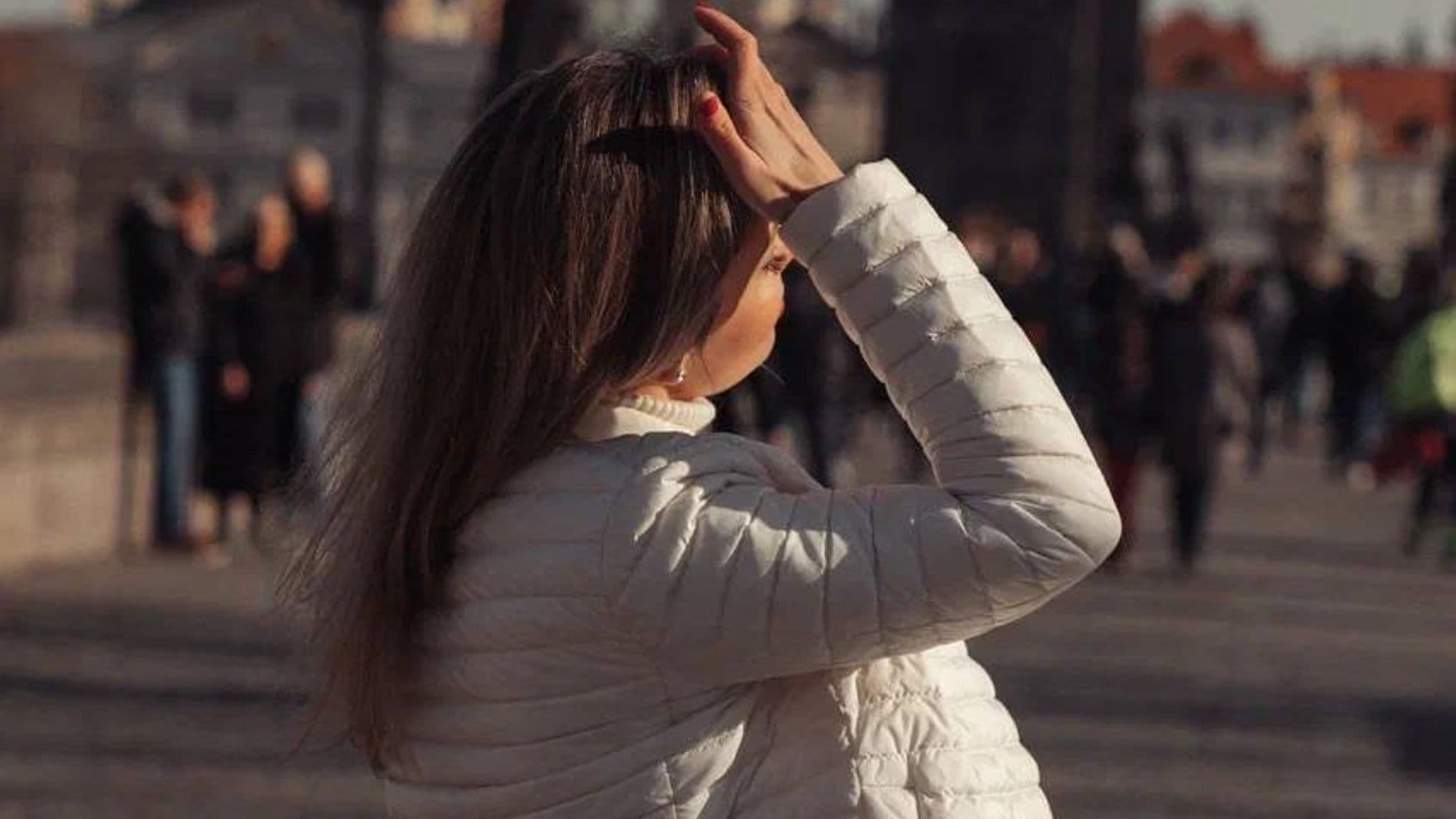
Prague welcomed over 8 million tourists in 2024 — the vast majority concentrated in an area roughly the size of 15 football fields. The city is magnificent, and it's under strain. How you visit matters.
Prague's tourist center — Old Town Square, Charles Bridge, the Castle — is genuinely extraordinary. But the concentration of visitors in Prague 1 has reached a density that changes the character of the place they came to see. Residents have left, rents have climbed beyond local incomes, and streets that once served a living neighborhood now serve a tourist economy almost exclusively.
This isn't a reason not to visit. It's a reason to visit thoughtfully. The choices you make — where you eat, where you stay, which streets you walk, and how you spend your money — collectively shape what Prague becomes. This guide is about making those choices well.
Prague's Overtourism Problem
The numbers tell a clear story. Prague's historic center — roughly the area of Prague 1 — has lost nearly a third of its permanent residents over the past two decades. The remaining population lives alongside a daily influx of visitors that can outnumber them ten to one during peak season.
What this looks like in practice:
- Old Town Square functions primarily as a tourist attraction. The restaurants ringing the square charge tourist prices (200–400 CZK for a beer that costs 50–70 CZK three blocks away) and serve tourist-grade food. Locals haven't eaten here in years
- Charles Bridge can see 30,000+ crossings per day in summer. The experience of walking the bridge at 2 PM in July bears no resemblance to what the bridge was designed to be — it's a crowd-management exercise
- Karlova street (connecting Old Town Square to Charles Bridge) is a narrow medieval lane packed so tightly that movement becomes involuntary. The shops sell identical souvenirs: Russian nesting dolls, "Czech" trdelník, and Kafka magnets made in China
The economic incentives are powerful. Tourist-facing businesses in Prague 1 generate enormous revenue, and the city depends on tourism as a major income source. But the concentration — not the total volume — is the problem. Prague has 57 administrative districts. Tourists visit roughly three of them.
Insider tip: Prague at 7 AM is a different city. The Charles Bridge before 8 AM, the Castle gardens at opening time, the Old Town streets before the groups arrive — these early-morning windows show you the Prague that residents recognize. The effort of waking up early pays back in an experience that's qualitatively different from the midday crush.
How to Be a Better Visitor
This isn't about guilt — it's about getting more out of your trip while contributing less to the problem. The strategies that make you a better visitor also make your experience better.
Eat outside Prague 1. The restaurants in the Old Town tourist zone are, with few exceptions, worse and more expensive than restaurants in surrounding neighborhoods. Walk 10 minutes in any direction from Old Town Square and the quality improves dramatically while prices drop by half. Vinohrady, Žižkov, Karlín, Holešovice, and Smíchov all have restaurant scenes that are genuinely good — not "good for a tourist area" but actually good.
Walk past the obvious. The major sights deserve your time — they're major sights for a reason. But the experience improves enormously when you combine them with streets and neighborhoods that aren't in the guidebook. Walk from Charles Bridge south along the Vltava to Vyšehrad instead of turning back into Old Town. Continue past Prague Castle into the Strahov neighborhood. Cross the river to Letná and see the city from above without a single souvenir shop in sight.
Avoid Old Town Square restaurants. This point deserves emphasis. Restaurants directly on Old Town Square and along Karlova charge 3–5x the normal Prague price for mediocre food served indifferently. The same money buys an excellent meal at a Czech restaurant one neighborhood away. The square is worth seeing — it's genuinely beautiful — but eat elsewhere.
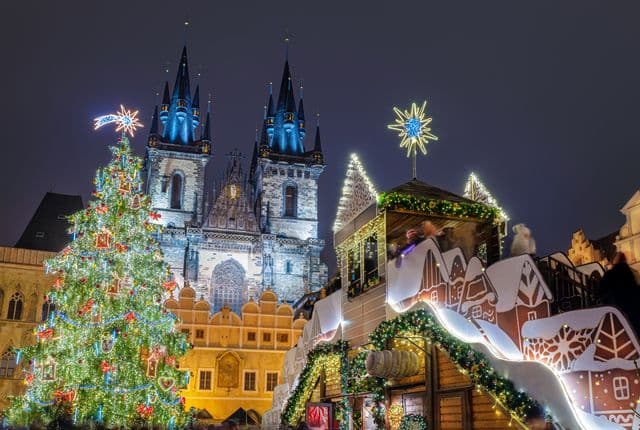
Visit in the shoulder season. April, May, September, and October offer the best combination of good weather, manageable crowds, and fair prices. June through August is peak season, and the experience in the tourist center degrades noticeably. December (Christmas markets) is its own phenomenon — festive but extremely crowded.
Insider tip: The single most impactful thing you can do as a visitor is spend money in neighborhoods where residents live. A coffee in Vršovice, a dinner in Karlín, a beer in Letná — these transactions support the local economy in ways that another purchase on the Royal Way simply doesn't.
Support Local Businesses
The distinction between "local" and "tourist" businesses in Prague is sharp, and it's visible once you know what to look for.
Local businesses typically: display menus in Czech (with English available), have Czech staff who speak Czech to each other, price their food and drinks at local rates, and serve customers who live nearby. They exist because the neighborhood needs them.
Tourist businesses typically: have multi-language menus displayed outside (often with photos), employ staff who may not speak Czech, price their products for a captive tourist audience, and would not survive without tourist traffic. They exist because tourists are there.
Both types are legitimate businesses, but your money has different effects depending on where you spend it.
Where to direct your spending:
- Czech-owned restaurants outside the tourist center — Lokál chain, Eska, Kantýna, Café Savoy, individual neighborhood bistros
- Local craft producers — Czech glass, Manufaktura brand (natural cosmetics and toys made in the Czech Republic), Botanicus (herbal products)
- Independent bookshops and galleries — Shakespeare a Synové (English-language bookshop), Galerie Kuzebauch, and neighborhood galleries in Holešovice and Karlín
- Prague's market halls — Holešovice Market Hall (Pražská tržnice), Jiřího z Poděbrad farmers' market (Wednesday and Saturday mornings)
Insider tip: The easiest test of a restaurant's authenticity: Is there a Czech family eating there? If the clientele is 100% tourists, the kitchen knows it doesn't need to impress people who'll never come back.
A private guide makes all the difference when exploring this part of Prague.
Sustainable Day Trips
Prague's surrounding region offers day trips that distribute visitor spending beyond the capital — and several of these destinations need the economic support more than Prague does.
Kutná Hora — A UNESCO-listed town 70 km east of Prague. The Cathedral of St Barbara and the Sedlec Ossuary (Bone Church) are the draws, but the town itself — quiet, beautiful, and unhurried — is the real experience. Visitor spending here supports a small-town economy directly. Our Kutná Hora day trip takes you with a private guide.
Český Krumlov — Stunning but increasingly facing its own overtourism pressures (the town has 13,000 residents and receives over 2 million visitors annually). Visit in the shoulder season if possible, and eat at local restaurants rather than the tourist-facing establishments around the main square. Our Český Krumlov private tour avoids the crowd patterns.
Terezín — The former Nazi concentration camp and ghetto, 60 km north of Prague. Visiting Terezín is sobering and important, and the memorial needs visitor support to maintain its educational mission. Our Terezín Memorial tour provides the historical context that a self-guided visit cannot.
Karlštejn and Křivoklát — Castles in the Bohemian countryside that offer a different experience from Prague's urban intensity. The surrounding villages benefit from day-trip visitors who stop for lunch, buy local products, and engage with the rural economy.
The Airbnb Situation
Short-term rentals have transformed Prague's housing market — and the impact is concentrated in exactly the neighborhoods that tourists most want to stay in.
The numbers: Prague 1 has lost thousands of long-term rental apartments to platforms like Airbnb and Booking.com. The economics are straightforward — an apartment that rents for 15,000 CZK per month to a local tenant generates 3,000–5,000 CZK per night as a short-term rental. Landlords who can convert have converted.
The consequences:
- Rents in central Prague have increased dramatically, pricing out residents — especially young families and older people on fixed incomes
- Buildings that were once residential communities are now effectively unlicensed hotels, with different guests every few days and no continuity
- The character of neighborhoods changes — fewer shops serving residents, more shops serving visitors
Regulatory response: The Czech government and Prague city council have been working on regulation, including registration requirements for short-term rental hosts, potential caps on the number of rental days per year, and tax enforcement. The regulatory landscape is still evolving.
What you can do:
- When booking accommodation, consider a hotel or pension — these are licensed, taxed, and employ local staff year-round
- If you prefer an apartment, look for operators who manage multiple units professionally and are registered with local authorities
- Stay outside Prague 1 — you'll pay less, experience a more authentic neighborhood, and your accommodation choice has less impact on a residential area
Insider tip: The best neighborhoods for visitors who want to stay like a local — Vinohrady, Karlín, Holešovice, Letná — are also the neighborhoods where short-term rental pressure is lower than in the absolute center. You get a better experience and contribute less to the housing problem.
For your time in Prague, our All Prague in One Day tour covers the essential sights but also takes you into streets and courtyards where tourist groups don't go — the kind of Prague that residents know. And our Medieval Dinner experience is a way to spend an evening in the historic center that goes beyond the surface — a theatrical feast in a vaulted cellar, supporting a venue rooted in Czech culture rather than tourist commodification.
Experience It With a Private Guide
A private guide doesn't just show you the sights — they show you how to see the city as residents see it. We know which streets to avoid at which hours, which restaurants are genuinely good, which neighborhoods reward exploration, and how to get the most out of Prague while giving something back. The difference between a tourist experience and a traveler's experience is often just better information.
See our private tour options — exclusively yours, with your own guide — and let us help you visit Prague the way it deserves to be visited.
FAQ
Is Prague too touristy to visit? No. Prague is extraordinarily beautiful and culturally significant. The overtourism problem is concentrated in a small area — Prague 1's core streets and landmarks. Step outside that zone and the city is spacious, affordable, and full of life. The key is how you visit, not whether you visit.
Which Prague neighborhoods should I explore outside the center? Vinohrady, Karlín, Holešovice, Letná, Žižkov, and Vršovice all offer excellent restaurants, cafés, parks, and a genuine local atmosphere. All are easily reachable by tram or metro within 10–15 minutes of the center.
Should I avoid Airbnb in Prague? Not necessarily, but be aware of the impact. Short-term rentals in Prague 1 have contributed to housing pressure and neighborhood change. Staying in a hotel, staying outside the center, or choosing a professionally managed apartment in a less pressured neighborhood are ways to minimize your footprint.
When is the best time to visit Prague to avoid crowds? April, May, September, and October offer the best balance of weather and crowd levels. Within any season, visiting major sights early in the morning (before 9 AM) or in the late afternoon dramatically reduces the crowd experience.
You May Also Like
Want to see Prague for yourself?
Take our flagship Prague tour-6-640x430.jpg&w=3840&q=75)