Signal Festival Prague — When Light Art Takes Over the City
-1920x1080.jpg&w=3840&q=75)
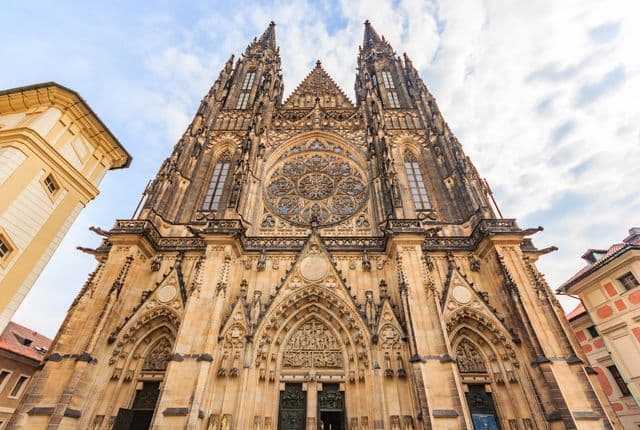
For four days every October, Prague's medieval buildings, bridges, and public spaces become canvases for light artists from around the world. The Signal Festival transforms the city into an open-air gallery of video projections, interactive installations, and light sculptures — most of them free and all of them outdoors. Gothic church facades come alive with animated projections. Bridges glow with colour-shifting LEDs. Hidden courtyards that are dark and quiet the rest of the year suddenly host immersive light experiences that draw thousands.
We walk through Signal Festival installations with our guests every autumn, and the reaction is always the same: people who came to Prague for castles and beer discover an entirely different dimension of the city. The festival typically runs in mid-October, when the days are short enough for installations to begin at dusk (around 6 PM) and the autumn air adds atmosphere. It's become one of Europe's largest light art festivals, attracting over 500,000 visitors across its four-day run.
What Is Signal Festival?
Signal Festival launched in 2013 and has grown rapidly into one of Prague's most anticipated annual events. The concept is straightforward — international and Czech artists create site-specific light installations across multiple locations in Prague's center. Visitors walk between installations along marked routes, experiencing each piece in the context of the city's architecture.
The festival typically features 15–25 installations spread across two or three routes through different neighbourhoods. Past editions have included projections on the Klementinum library facade, interactive light floors in Karlín, kinetic LED sculptures on Kampa Island, and massive video-mapped projections on the National Museum.
What makes Signal special is the dialogue between contemporary digital art and centuries-old architecture. A 14th-century church wall becomes a screen for abstract animation. A Baroque courtyard hosts a sound-reactive light installation. The contrast between old stone and new light is the festival's core aesthetic, and it works because Prague's architecture is varied and textured enough to absorb the projections beautifully.
The Festival Routes
Signal Festival organises installations along walking routes that change each year. Typically, one route covers the Old Town and Josefov area, another crosses into Karlín or Holešovice, and a third may extend to Malá Strana or Smíchov. Each route takes 60–90 minutes to walk at a comfortable pace with stops at each installation.
The routes are clearly marked with Signal Festival signage, and the festival releases a free mobile app with maps, schedules, and artist information. We recommend downloading the app before your visit — it helps you navigate between installations and provides context for what you're seeing.
Insider tip: start your walk at the less popular end of a route. Most visitors begin at the main starting point (usually near Old Town Square) and the first installations get the biggest crowds. If you begin at the opposite end and walk backward, you'll have more space and shorter waits at each piece. Our guests who follow this strategy consistently report a better experience.
Best Installations (What to Expect)
Each year brings new works, so specific installations change. But certain types recur:
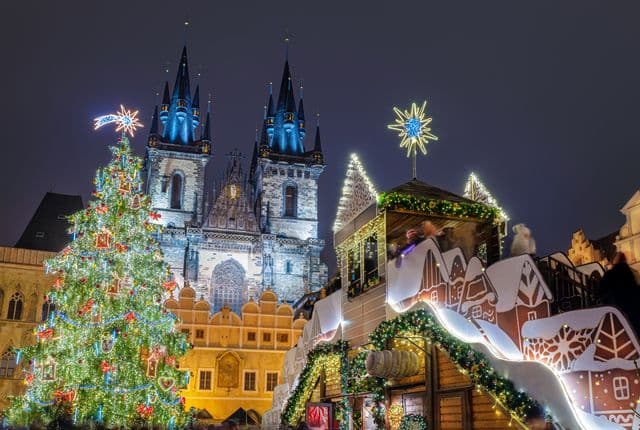
Building projections (video mapping): large-scale animations projected onto church facades, palace walls, or institutional buildings. These are the festival's showpieces — a single building becomes a 20-minute animated film, with architectural details transformed by light and movement. The projection on Týn Church or the Klementinum wall is typically the highlight.
Interactive installations: pieces that respond to your movement, sound, or touch. Past years have included floors that ripple with light as you walk across them, mirrors that project your silhouette into kaleidoscopic patterns, and sound-reactive tunnels of LED light.
Light sculptures: standalone three-dimensional works placed in parks, courtyards, or along the river. These are often the most photogenic — glowing geometric shapes, suspended light formations, or colour-shifting structures that change as you walk around them.
Immersive environments: enclosed spaces (often inside courtyards or temporary structures) where light, sound, and sometimes fog create fully immersive experiences. These tend to have the longest queues but are worth the wait.
Practical Information
When: Signal Festival typically takes place over four days in mid-October. The 2026 edition dates should be confirmed on signalfestival.com. Installations run from dusk (approximately 6 PM) until midnight or later.
Cost: the vast majority of installations are free. Some immersive indoor installations have a small entry fee (100–200 CZK). The walking routes are open to everyone.
A private guide makes all the difference when exploring this part of Prague.
Crowds: the festival draws 500,000+ visitors over four days. Evenings (7–10 PM) are the busiest. For the most comfortable experience, go on a weekday evening or start early at 6 PM. Sunday evening is typically the quietest.
Weather: mid-October in Prague means temperatures of 5–12°C after dark. Dress warmly — you'll be outside for 2–3 hours walking between installations. Rain is possible, so bring a jacket with a hood or a compact umbrella.
Photography: the installations are extremely photogenic. A phone camera handles most scenes well. If you're shooting with a real camera, bring a small tripod or stabilise against walls — the low-light conditions reward longer exposures. Turn off your flash — it ruins the experience for others and doesn't improve photos of light art.
Signal Festival and Your Prague Trip
If your Prague visit overlaps with Signal Festival, adjust your evening plans. Spend your days on the usual sightseeing — our All Prague in One Day private tour covers the castle, bridge, and Old Town during daylight — then return to the streets after dark for the festival.
The combination of daytime architecture and evening light art gives you two completely different versions of Prague in one trip. Our guests who've experienced both tell us the festival transforms places they walked through hours earlier into something unrecognisable.
For dinner between daytime sightseeing and the festival, the Medieval Dinner Show at U Pavouka finishes by 10 PM — early enough to catch the late installations. Fire dancers in a Gothic cellar followed by light art on medieval walls makes for one of Prague's most memorable evenings.
Browse all our private tours of Prague and Czech Republic.
Frequently Asked Questions
Is Signal Festival free?
Most installations are completely free and open to the public. A small number of indoor/immersive installations charge 100–200 CZK. You can experience the festival fully without spending anything.
When is Signal Festival 2026?
Signal Festival typically takes place in mid-October. The exact 2026 dates will be announced on the official website signalfestival.com in late summer.
How long does it take to see everything?
Each route takes 60–90 minutes. With two or three routes, you'll need 3–4 hours to see all installations. Many visitors spread the festival across two evenings.
Is Signal Festival good for kids?
Yes. The outdoor installations are free, colourful, and interactive — kids love the light floors and responsive sculptures. The walking can tire younger children, so consider doing one route per evening.
You May Also Like
Want to see Prague for yourself?
Take our flagship Prague tour-6-640x430.jpg&w=3840&q=75)