Prague Cooking Class — Learn to Make Czech Dumplings, Svíčková and More
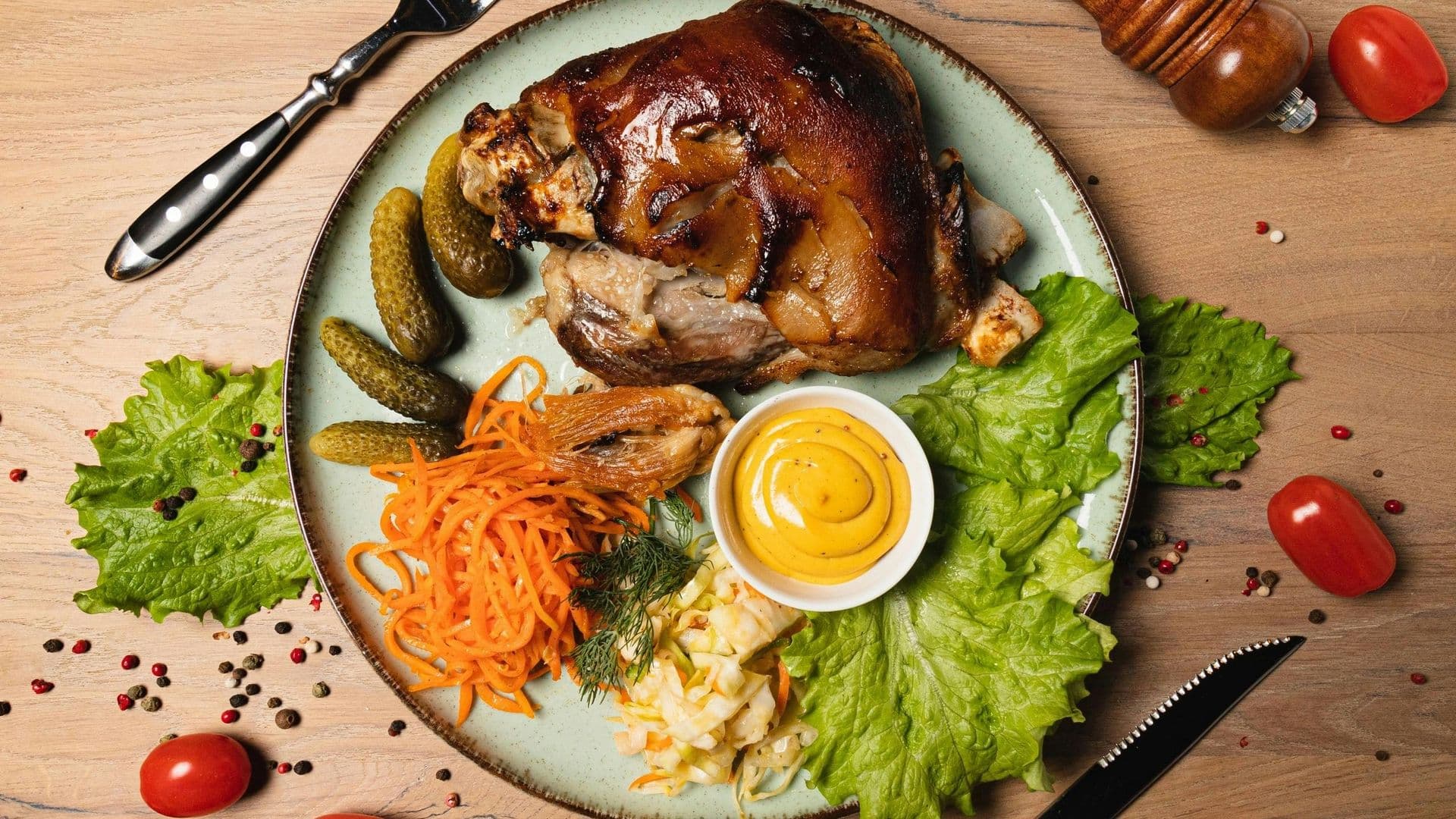
Czech cuisine is comfort food elevated by centuries of tradition. The dumplings (knedlíky) are nothing like what most visitors expect — they are sliced bread dumplings, fluffy and steaming, designed to soak up the rich sauces that define Czech cooking. Svíčková, the national dish, is marinated beef in a creamy root vegetable sauce that takes hours to prepare properly. And the pastries — trdelník, koláče, buchty — draw on a baking tradition that predates written recipes.
A cooking class in Prague teaches you not just how to make these dishes, but why Czech cooking developed the way it did. Bohemian ingredients, the influence of Austrian and German kitchens, and the practical needs of a cold-climate culture all shaped what ends up on the plate. This guide covers the best cooking classes in Prague, what you will learn, and why it is worth dedicating half a day to Czech food.
What You Will Cook
Most Prague cooking classes focus on a core menu of Czech classics. Here is what to expect.
Czech Bread Dumplings (Houskové knedlíky)
The foundation of Czech cuisine. These are not the small, filled dumplings you might know from Asian or Italian cooking. Czech dumplings are a bread-based side dish made from flour, eggs, milk, and cubed stale bread, formed into a log, boiled, and sliced into thick rounds. They are served alongside almost every traditional main course.
Making them well requires understanding the dough consistency — too wet and they fall apart in the water, too dry and they become dense. A good instructor teaches you the pinch test: when the dough feels slightly tacky but does not stick to your fingers, it is ready.
Insider detail: the secret to restaurant-quality dumplings is using day-old rohlíky (Czech bread rolls), not fresh bread. Fresh bread adds too much moisture. Some Czech grandmothers keep a bag of dried bread cubes specifically for dumplings, replenished weekly.
Svíčková na smetaně (Marinated Beef in Cream Sauce)
This is the dish that defines Czech cuisine for most Czechs. Beef sirloin is marinated for up to two days in a mixture of root vegetables, vinegar, and spices, then slow-roasted until tender. The vegetables are puréed into a thick, creamy sauce, finished with heavy cream and a touch of sugar. It is served with bread dumplings, a dollop of cranberry sauce, and a slice of lemon.
In a cooking class, you will likely work with a pre-marinated piece of meat (the full marination takes longer than a class allows), but you will prepare the sauce from scratch and learn the ratios that make it work.
Trdelník (Chimney Cake)
The sweet, spiral-shaped pastry sold at every tourist corner in Prague. While its connection to Czech tradition is debated — it originated in the Hungarian-speaking regions of what is now Slovakia — it has become inseparable from the Prague experience. In a cooking class, you roll the dough around a wooden cylinder, grill it over heat, and coat it in cinnamon sugar and crushed walnuts.
Insider detail: the trdelník you make in a cooking class will be warm, crisp on the outside, and soft inside. The ones sold on the street are often pre-made and reheated. There is a significant difference, and making your own is the best way to understand why.
Other Common Dishes
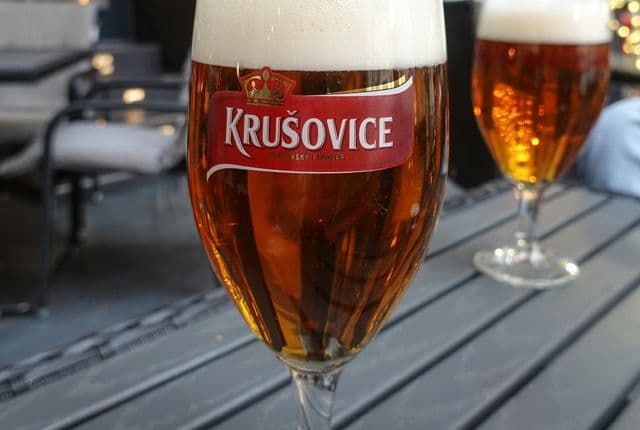
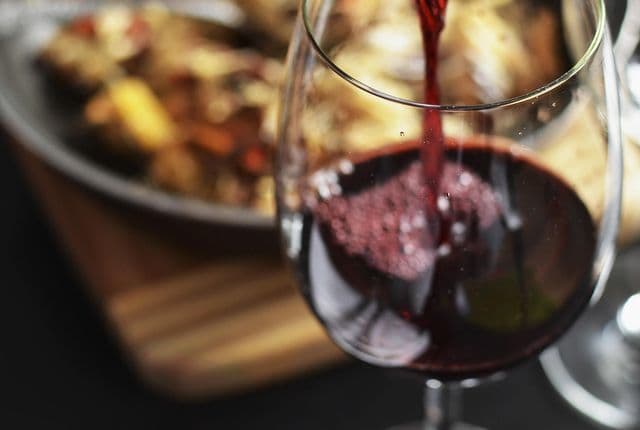
Depending on the class, you may also prepare kulajda (creamy mushroom and dill soup with a poached egg), bramboráky (crispy potato pancakes), or švestkové knedlíky (plum dumplings coated in butter, sugar, and curd cheese). Some classes include a beer or wine pairing component.
Best Cooking Classes in Prague
Český Gurmán Cooking Class — located near the Old Town, this class focuses on traditional Czech recipes in a well-equipped kitchen. Classes run 3-4 hours, are taught in English, and include a full meal at the end with Czech beer or wine. Prices start around 2,500 CZK per person.
Prague Cooking Class at Chefparade — a professional cooking school that offers Czech-themed workshops alongside international cuisine classes. The facility is modern and spacious, with individual stations. Good for couples and small groups.
Bohemian Kitchen Experience — a smaller, more intimate class often held in a residential-style kitchen. The atmosphere is closer to cooking with a Czech family than attending a professional workshop. Limited to 6-8 participants.
Insider detail: ask when booking whether the class includes a market visit. Some classes start at a local farmers' market (Náplavka on Saturdays, Jiřák on Wednesdays) where you select ingredients. This adds an extra dimension and introduces you to Czech produce and shopping culture.
Our guides know the best local spots — far from the tourist traps. Learn more about our team.
What to Expect
Classes typically last 3-4 hours. You arrive at the kitchen, receive an apron and a drink (usually beer or wine), and the instructor walks you through the recipes. You work hands-on — kneading dough, chopping vegetables, stirring sauces — and eat everything you cook at the end.
Group sizes vary from 4 to 12 people. Smaller groups mean more individual attention from the instructor. Private classes for couples or families are available at most operators for a premium.
No cooking experience is required. The dishes are traditional home cooking, not restaurant techniques. If you can chop an onion and follow instructions, you will produce a complete Czech meal by the end of the session.
Insider detail: wear comfortable clothes and shoes you do not mind getting flour on. Czech dumpling making is a tactile, slightly messy process. Most kitchens provide aprons, but the flour finds its way everywhere.
Why a Cooking Class Is Worth Your Time
Eating Czech food in restaurants shows you the finished product. A cooking class shows you the process — why the sauce takes hours, what makes the dumplings work, how the flavours build. You leave with recipes and techniques you can recreate at home, turning a holiday experience into a lasting skill.
For food-focused travellers, combining a cooking class with a walking tour adds depth. Our All Prague in One Day tour passes through the Old Town and Lesser Town neighbourhoods where Czech cuisine developed, and your guide can explain the historical context — why dumplings became the staple, how the Austro-Hungarian influence shaped the pastry tradition, and where locals eat today.
For an evening that puts Czech food history centre stage, the Medieval Dinner show serves a five-course feast of historically inspired dishes in a Gothic cellar, accompanied by sword fighting and period music.
Practical Tips
When to book: classes run daily at most operators, but weekend slots fill up quickly. Book three to five days ahead. Weekday morning classes have the smallest groups.
Dietary needs: most operators accommodate vegetarian requests with advance notice. Gluten-free is more difficult given the centrality of dumplings and bread, but possible. Contact the operator directly.
What you take home: all classes provide printed recipes. Some also give you a small gift — a bag of Czech spices, a recipe booklet, or a branded apron.
Combine with a market visit: if your class does not include a market trip, visit the Náplavka farmers' market on Saturday morning before or after your class to see the ingredients in their natural habitat.
FAQ
How long does a Prague cooking class last? Most classes run 3-4 hours, including preparation, cooking, and eating the finished meal. Some shorter workshops focused on a single dish (like dumplings or trdelník) take 1.5-2 hours.
Do I need cooking experience? No. Classes are designed for all levels. The dishes are traditional home cooking, and instructors guide you through every step. Children over 8 can usually participate with a parent.
How much does a cooking class cost? Prices range from 2,000 to 3,500 CZK per person for group classes. Private classes for couples or families cost more — typically 4,000-6,000 CZK total. Most prices include ingredients, drinks, and the meal.
You May Also Like
- What to Eat in Prague — A Guide to Czech Food
- Czech Cuisine History — From Medieval Feasts to Modern Tables
- Czech Beer Guide — What to Order and Why It Matters
Ready to taste Prague beyond the restaurants? Browse our private tours — exclusively yours, with your own guide — and discover the city through its food, its history, and the locals who know both.
Want to see Prague for yourself?
Try our medieval dinner experience