Renting a Car in Czech Republic — When You Need One and When You Don't
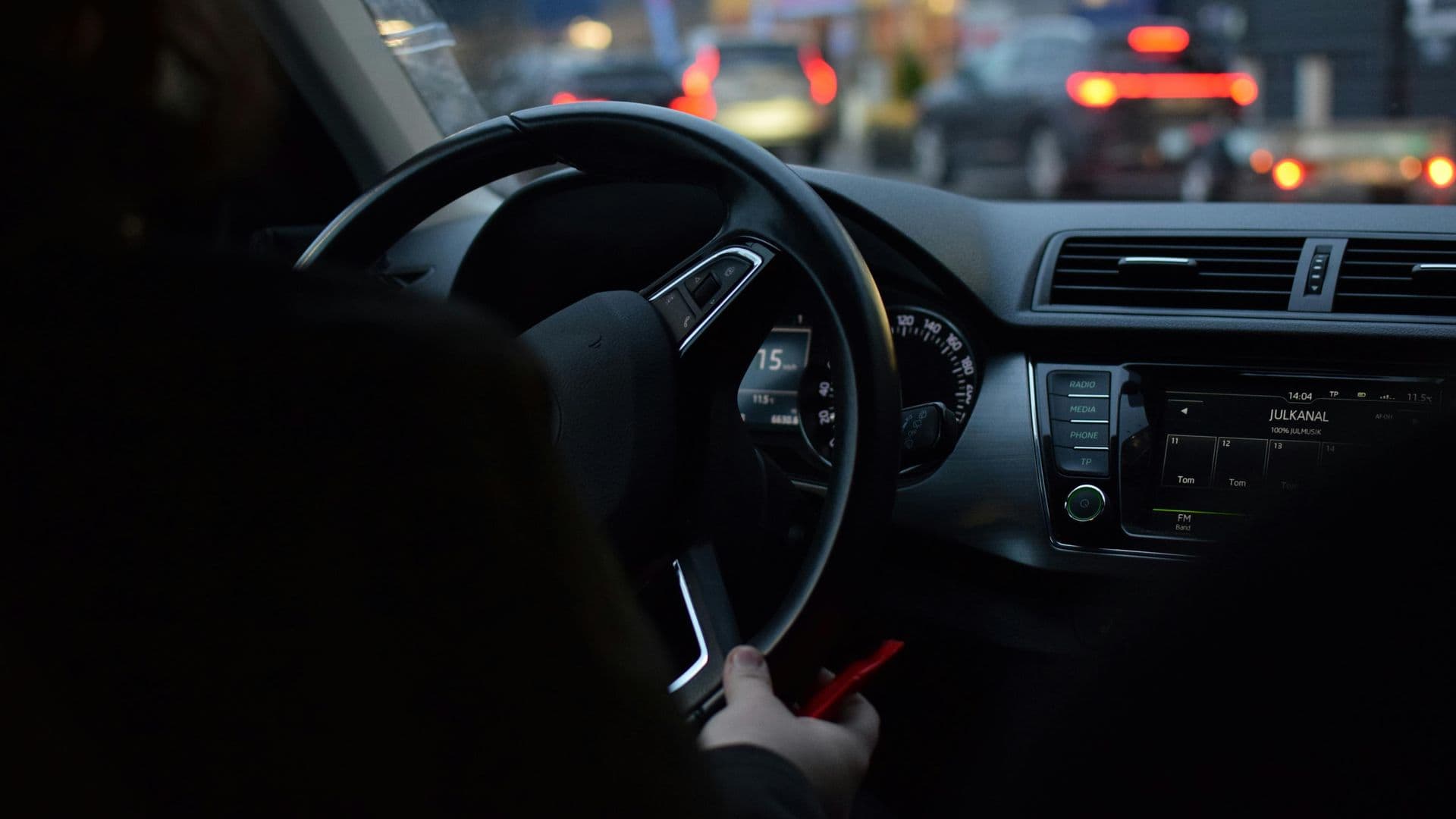
Let's start with the honest answer: for Prague itself, you do not need a car. The city center is compact and walkable, public transport is excellent, and driving in Prague's historic core is an exercise in frustration — narrow one-way streets, limited parking, and tram tracks that catch your tires. Most visitors who rent a car for their Prague stay end up parking it and walking anyway.
But outside Prague? A car starts to make real sense. Bohemian castles, Moravian wine villages, the sandstone canyons of Bohemian Switzerland — some of the best experiences in Czech Republic are in places that trains and buses reach slowly or not at all. This guide covers when renting makes sense, what to watch out for, and the rules that catch foreign drivers off guard.
When a Rental Car Is Worth It
Day trips to places off the rail network. Trains and buses connect Prague to major towns easily — Český Krumlov, Kutná Hora, Karlovy Vary are all reachable by public transport. But smaller castles, villages, and natural parks are often 20-30 minutes from the nearest train station by a local bus that runs three times a day. If your itinerary includes Karlštejn Castle, Kokořín, Konopiště, or the Bohemian-Saxon Switzerland national park, a car gives you flexibility that public transport simply cannot match.
Multi-stop day trips. Want to visit Karlštejn Castle in the morning and Kozel Brewery in the afternoon? By public transport, that's two separate day trips with lots of waiting. By car, it's a single loop through the Bohemian countryside with a lunch stop in a village along the way.
Families with small children. Car seats, snack stops, nap breaks — a car lets you travel at your family's pace rather than a bus timetable's pace.
Exploring Moravia. The wine region south of Brno — Mikulov, Valtice, Lednice, Pálava — is best explored by car. Distances between villages are short (10-20 km), but public transport between them is infrequent. A car lets you drive from cellar to cellar, stop at a vineyard overlook, and cover five villages in a single afternoon.
When You Definitely Don't Need One
If you're staying only in Prague. Everything in the city center is within 30 minutes by tram or metro. A car adds nothing except parking headaches and the risk of a parking fine. For getting around Prague, see our Prague public transport guide or our taxi and Bolt guide.
For major day-trip destinations. Český Krumlov is 3 hours by RegioJet bus (comfortable, direct, cheap). Kutná Hora is 1 hour by train. Karlovy Vary is 2 hours by bus. These routes are faster, cheaper, and less stressful than driving and parking.
If you plan to drink Czech beer. Czech Republic has a strict zero-tolerance alcohol limit for drivers — 0.00%. Not 0.02%, not 0.05%. Zero. A single beer and you're over the limit. Police checkpoints are common on rural roads, especially on weekends and near brewery towns. If tasting Czech beer is part of your plan (and it should be), leave the car at home.
The E-Vignette — Czech Highway Toll
Czech motorways require a vignette (dálniční známka) — a highway toll sticker. Since 2021, the vignette is electronic. No physical sticker, no windshield mess. You register your license plate number online and the system tracks you by cameras.
Where to buy: at edalnice.cz (the official government portal, available in English). You can also buy at post offices, some gas stations, and border crossing points. We strongly recommend buying online before your trip — it takes two minutes and avoids queues at the border.
Prices (as of 2026):
Duration | Price
1 day | ~310 CZK (~12 EUR)
10 days | ~310 CZK (~12 EUR)
30 days | ~440 CZK (~18 EUR)
1 year | ~2,300 CZK (~92 EUR)
For a tourist renting for a few days, the 10-day vignette is the obvious choice — same price as a single day.
Important: the vignette is required on motorways and expressways (roads marked with green signs). Regular roads (first-class roads numbered with one or two digits, like the E55 or Route 3) are generally toll-free. For some day trips, you can avoid motorways entirely by taking scenic routes through villages — slower, but toll-free and often more interesting.
What happens without one: automated cameras scan license plates. If you're caught on a motorway without a valid vignette, the fine starts at 5,000 CZK (roughly 200 EUR). Rental companies typically add the vignette cost to your rental agreement — check whether it's included before you drive onto the motorway.
Parking in Prague — The Headache You Want to Avoid
Prague's parking system is zone-based and designed to discourage car use in the center.
Blue zones are residential permit-only parking. These cover most streets in Prague 1-7. If you park in a blue zone without a permit, you'll get a wheel clamp and a fine of 2,000-3,000 CZK.
Orange and green zones allow paid parking — orange is short-term (up to 2 hours, around 80 CZK/hour), green is longer-term (up to 6 hours, around 30-40 CZK/hour). Payment is via parking meters or the ParkSimply app.
The real advice: park at a P+R (Park and Ride) lot on the city outskirts and take the metro in. P+R lots at stations like Zličín (metro B), Černý Most (metro B), and Letňany (metro C) charge around 20 CZK per day and include a metro transfer. This is how Prague residents who commute by car handle it, and it works beautifully.
If you're staying at a Prague hotel, ask about parking before you book. Some hotels have underground garages (expect 400-800 CZK per night), while others have no parking at all.
Fuel and Gas Stations
Czech Republic has a dense network of gas stations. Benzín (gasoline/petrol) and nafta (diesel) are both widely available. Prices fluctuate, but as of 2026, expect approximately 38-42 CZK per litre for gasoline and 35-39 CZK per litre for diesel.
Most rental cars in Europe run on diesel (nafta). Always check the fuel type before you fill up — misfueling is expensive and embarrassing.
Gas stations along motorways (Shell, OMV, Benzina, EuroOil) are open 24/7. In rural areas, stations may close by 20:00 or 21:00. Major chains accept credit cards; very small village stations may prefer cash.
Self-service stations (where you pre-pay or use a card at the pump without entering the shop) are increasingly common. The pumps have English language options.
A private guide makes all the difference when exploring this part of Prague.
Winter Tires — A Legal Requirement
Between November 1 and March 31, Czech law requires winter tires on all four wheels when road conditions are wintery (snow, ice, frost). The minimum tread depth is 4 mm.
If you're renting during winter months, verify with the rental company that winter tires are fitted. Most reputable companies do this automatically, but some budget operators charge an extra fee or, worse, skip them. Driving on summer tires in winter conditions is both dangerous and illegal — the fine is up to 2,500 CZK, and insurance may not cover you in an accident.
Driving Rules That Catch Foreign Drivers
Speed limits:
- Built-up areas: 50 km/h
- Outside built-up areas: 90 km/h
- Motorways: 130 km/h
Headlights must be on at all times — day and night, summer and winter. This is law, not optional. Most modern cars do this automatically, but check.
Zero alcohol tolerance — 0.00% blood alcohol. No exceptions. No "I had one beer with lunch." The penalties are severe: fines start at 2,500 CZK and escalate to license suspension and criminal charges above certain levels.
Tram priority: in Prague and other Czech cities, trams have right of way. If a tram is stopping at a platform stop (where passengers step into the road), you must stop and wait until the doors close. This surprises many foreign drivers and causes accidents.
Roundabouts: vehicles already in the roundabout have priority. Enter only when clear. This follows standard European rules.
Seatbelts are mandatory in all seats, front and back. Children under 150 cm tall must use appropriate child seats or boosters.
Where to Rent
The major international companies — Sixt, Europcar, Hertz, Avis, Budget — all operate at Prague Airport and in the city center. Book through their websites or via comparison sites like rentalcars.com for the best rates.
Prices for a standard car (Škoda Fabia or similar) start from approximately 30-50 EUR per day including basic insurance (as of 2026). Premium or automatic-transmission cars cost more. Prices are lowest when booked weeks in advance; walk-up airport rentals cost 50-100% more.
Insurance: the basic Collision Damage Waiver (CDW) included in most rentals has a high excess (deductible) — often 500-1,000 EUR. Consider buying additional coverage to reduce this, either from the rental company or from a third-party provider like RentalCover. Check whether your credit card offers rental car insurance — some premium cards cover the excess automatically.
Cross-border travel: if you plan to drive the rental car into Austria, Germany, or other neighboring countries, you must inform the rental company at booking. Some companies charge a cross-border fee; others restrict which countries you can enter. Most prohibit taking the car into non-EU countries.
A Smarter Alternative — Private Tours With Transport
Here's what we tell guests who are considering a rental car for day trips: a private tour with your own guide and driver often costs less than a rental car once you add fuel, vignette, parking, and insurance — and you see more.
On a private tour, we handle the driving, the route planning, the parking, and the local knowledge. You sit back, look out the window, ask questions, and arrive at each stop knowing what matters. Exclusively yours, with your own guide.
For day trips from Prague, consider our Karlovy Vary and Loket tour — no motorway navigation, no parking meters, and a guide who knows which hot springs to taste and which streets to wander.
End any Prague day with the Medieval Dinner Show at U Pavouka — fire dancers, swordsmen, and a feast in a cellar where no car keys are needed.
Browse all our private tours in Prague and Czech Republic.
For a single private day covering Karlovy Vary plus Loket Castle, see our combined day trip from Prague.
Frequently Asked Questions
Do I need a car to visit Czech Republic?
For Prague and major day-trip destinations (Cesky Krumlov, Kutna Hora, Karlovy Vary), no — public transport and private tours cover these well. A car becomes useful for smaller castles, Moravian wine villages, and multi-stop countryside itineraries.
What is the Czech highway vignette?
An electronic toll sticker required for driving on Czech motorways. Buy it online at edalnice.cz by registering your license plate. The 10-day vignette costs about 310 CZK (12 EUR). Driving without one risks a 5,000 CZK fine.
Can I drive in Prague with a foreign license?
EU licenses are valid as-is. Non-EU licenses (US, UK, Canadian, Australian) are legally valid for up to 6 months but having an International Driving Permit alongside your national license is recommended and avoids potential issues with rental companies or police.
Is driving in Prague difficult?
Yes, and we don't recommend it. Narrow one-way streets, aggressive tram traffic, confusing zone-based parking, and excellent public transport make driving in Prague's center more hassle than it's worth. If you rent a car, use it for day trips outside the city and take the metro within Prague.
You May Also Like
Want to see Prague for yourself?
Take our flagship Prague tour-6-640x430.jpg&w=3840&q=75)