Prague vs Paris — Which City Deserves Your Trip?
Quick verdict: Paris is the world's most visited city for a reason — iconic landmarks, legendary museums, and French cuisine set the global standard. But Prague delivers a comparable depth of beauty at a fraction of the cost, with fewer crowds, a more compact center, and beer that puts Parisian wine bars to shame on price. If this is your first trip to Europe, Paris is the classic choice. If you want more value and less stress, Prague is the smarter pick.
We hear this comparison constantly from guests planning multi-city European trips. Both cities have stunning architecture, deep history, and world-class food — but they deliver those things in very different ways. Here's what actually matters when choosing between them.
At a Glance
Category | Prague | Paris
Average daily budget | €60–90 | €150–250
Beer (0.5 l draft) | €2–3 | €7–9
Coffee | €2–3 | €4–6
Dinner for two | €30–50 | €80–150
Top museum entry | €10–15 | €15–22
Hotel (mid-range/night) | €80–130 | €180–350
Pickpocket risk | Low | Moderate–high
Metro system | 3 lines, clean | 16 lines, vast
Language barrier | Low (English common) | Moderate
Walking distance (center) | ~4 km | ~8 km
Architecture and Beauty
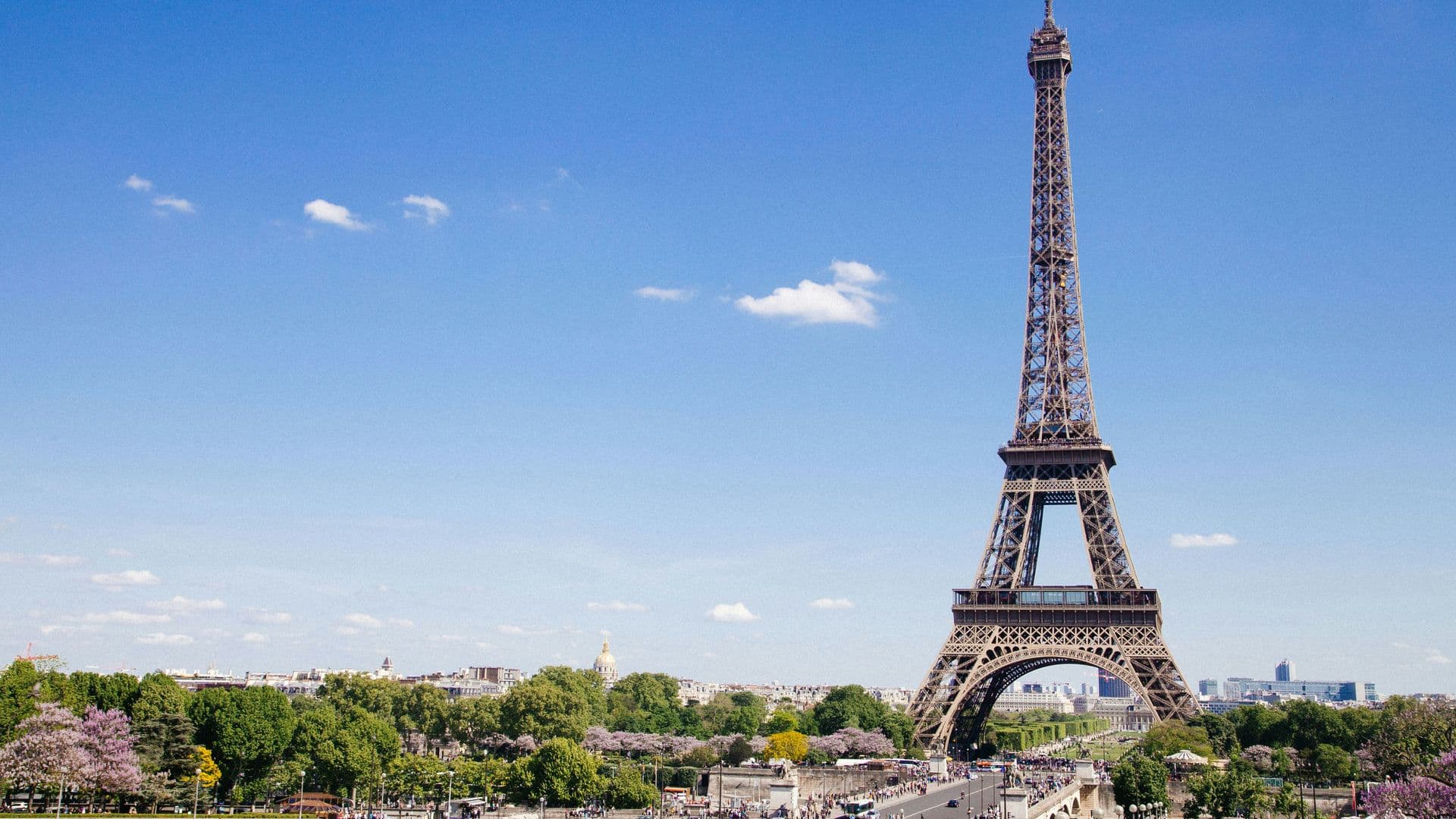
Paris has the Eiffel Tower, Notre-Dame, Sacré-Cœur, the Louvre pyramid, and Haussmann's uniform boulevards — a skyline recognized worldwide. The city's 19th-century renovation under Baron Haussmann created the cream-stone facades and wide avenues that define "beautiful European city" in most people's imagination.
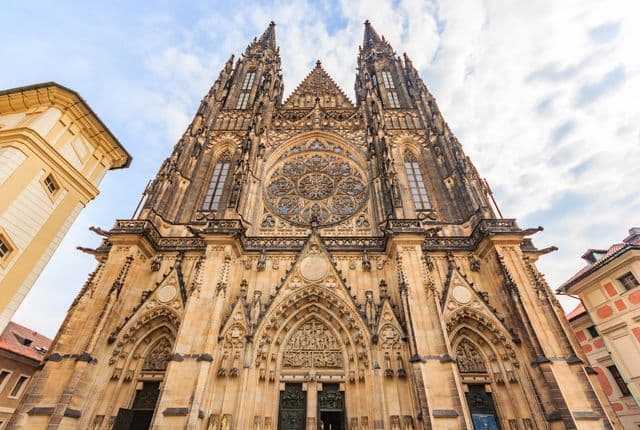
Prague's beauty is different — layered rather than uniform. Because the city escaped major wartime destruction, its center preserves buildings from nearly every European architectural period. Gothic towers stand beside Baroque churches beside Art Nouveau apartment buildings beside Cubist houses. The Old Town Hall dates to 1338. The Dancing House by Frank Gehry opened in 1996. They coexist on the same riverbank.
Our guests who've already been to Paris often say Prague surprised them more. Paris looks exactly like the photos. Prague keeps revealing details — a Renaissance sgraffito on a side street, a medieval cellar entrance under a modern cafe, a rooftop statue you notice only on your third pass. The density of architectural detail per square metre in Prague's center rivals anything in Europe.
Prague Castle complex alone covers 70,000 square metres — the largest ancient castle complex in the world. You can walk through its courtyards for free before 9 AM and have the space nearly to yourself. Try getting that kind of access at Versailles.
Museums and Culture
This is where Paris dominates. The Louvre, Musée d'Orsay, Centre Pompidou, Rodin Museum, and Orangerie represent a concentration of world-class art that no other city matches. If art history is your primary motivation for travel, Paris wins and it isn't close.
Prague's museums are smaller and more specialized, but they reward visitors who look beyond the obvious. The National Gallery's collection of Baroque Czech art at Schwarzenberg Palace is genuinely impressive. The National Museum on Wenceslas Square reopened after a major renovation and is worth a half-day. The Museum of Decorative Arts holds one of Europe's finest glass collections — fitting for a country that's produced crystal for five centuries.
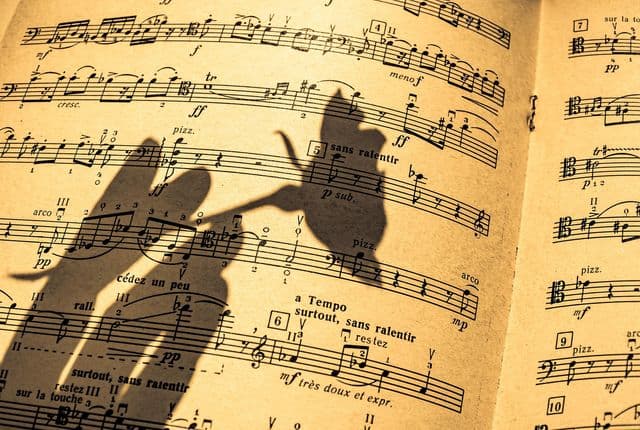
Where Prague has the edge is in experiential culture. The city has more live classical music performances per capita than almost anywhere in Europe. On any given evening, you can hear a chamber concert in a Baroque church, attend an opera at the Estates Theatre (where Mozart premiered Don Giovanni in 1787), or catch jazz in a medieval cellar. And tickets cost €10–25, not €50–150.
Food and Drink
French cuisine set the template for fine dining worldwide, and eating well in Paris is one of life's genuine pleasures. A proper bistro lunch — steak frites, a glass of Bordeaux, crème brûlée — is an experience that doesn't translate elsewhere. The city's bakeries, cheese shops, and wine bars operate at a level that most capitals can only aspire to.
Czech food is a different tradition entirely — hearty, meat-forward, built for cold winters. Svíčková (beef in cream sauce with dumplings and cranberries), vepřo knedlo zelo (roasted pork with sauerkraut and dumplings), and traditional Czech dishes satisfy in a way that lighter cuisines don't. Prague's restaurant scene has evolved dramatically in the past decade, with Michelin-starred restaurants and creative bistros pushing boundaries.
The real comparison killer is price. A bistro dinner for two in central Paris rarely costs less than €80, and you can easily spend €150. The same quality meal in Prague — a good restaurant in Vinohrady or Malá Strana — runs €30–50. A half-litre of Pilsner Urquell at a Prague pub costs what a small espresso costs in a Parisian cafe.
Cost of Travel
Prague is one of Western/Central Europe's best-value capitals. Paris is one of its most expensive. The gap is enormous and affects every aspect of a trip.
Accommodation: a comfortable mid-range hotel in Prague's Old Town costs €80–130 per night. Equivalent quality near the Marais or Saint-Germain in Paris starts at €180 and climbs steeply. Food, transport, and entertainment follow the same pattern. A five-day trip to Prague costs roughly what three days in Paris costs.
This matters especially for families and couples who want to experience a major European city without constant mental arithmetic about spending.
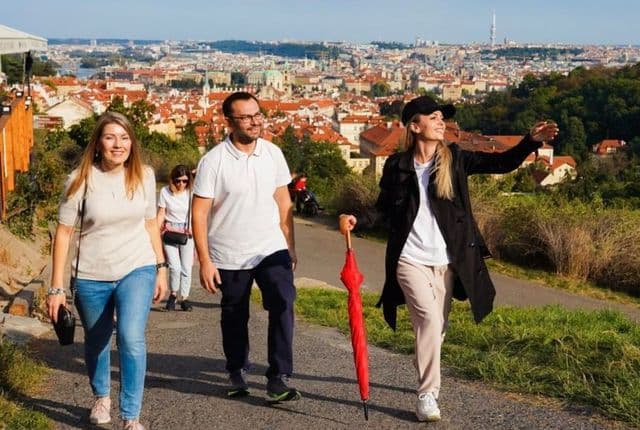
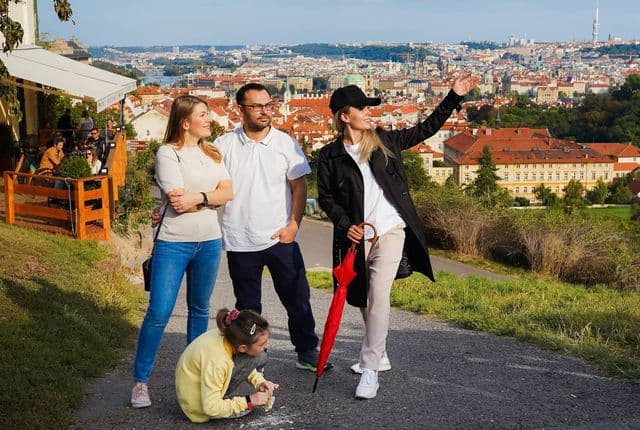
A private guide makes all the difference when exploring this part of Prague.
Crowds and Tourist Experience
Paris welcomes over 30 million visitors annually. Prague sees about 8 million. Both cities have tourist-heavy zones, but the concentration and pressure differ substantially.
In Paris, the queue at the Louvre can exceed 90 minutes. The Eiffel Tower requires booking weeks in advance for the summit. Montmartre's narrow streets get gridlocked in summer. Aggressive street sellers at major landmarks are a persistent annoyance.
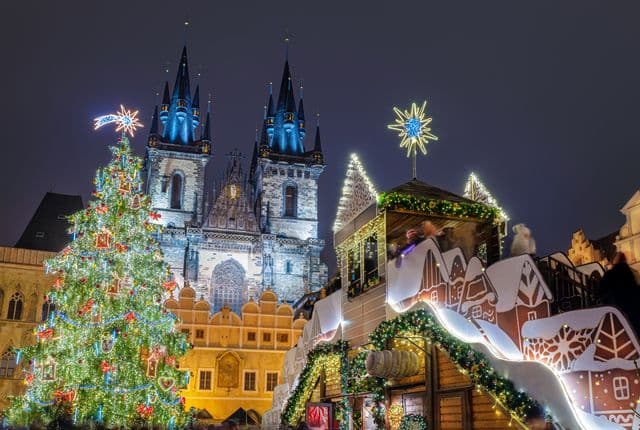
Prague's crowds center on Charles Bridge at midday and Old Town Square when the Astronomical Clock strikes the hour. But the congestion disperses quickly — walk five minutes toward Malá Strana or Josefov and the streets empty. We start our morning tours before the crowds arrive, and our guests are consistently surprised by how peaceful the city feels at 8 AM. By contrast, even early morning at the Eiffel Tower means queues.
Safety
Prague is consistently ranked among Europe's safest capital cities. Violent crime targeting tourists is almost unheard of, and petty crime rates are low. The biggest risk is restaurant overcharging in the most touristy spots — easily avoided by checking that menus show prices in CZK.
Paris has a more visible pickpocket problem, particularly on the Metro, around the Eiffel Tower, and at Gare du Nord. The city's recent investment in policing has helped, but visitors need to be more alert with belongings than they do in Prague.
Day Trips
From Prague, you're within 2.5 hours of UNESCO-listed Český Krumlov, the spa town of Karlovy Vary, medieval Kutná Hora, and a dozen Gothic and Renaissance castles. Central Europe's density of historic towns makes Prague a remarkable base for exploration.
From Paris, Versailles is the obvious choice (40 minutes by train), followed by Giverny (Monet's gardens), the Loire Valley chateaux (a longer day), and the Champagne region. Both cities offer excellent day trips, but Prague's options are more diverse in character and significantly cheaper to reach.
Which One Should You Choose?
Choose Prague if: you want European grandeur without European prices, prefer compact walkability, enjoy beer culture, and want a trip where you spend more time exploring and less time queuing.
Choose Paris if: art museums are essential, French food is non-negotiable, you're ticking off a bucket-list landmark (Eiffel Tower, Louvre, Notre-Dame), and budget is secondary to experience.
Our honest take: most guests who've visited both tell us Prague was the bigger surprise. Paris delivers what you expect — magnificently. Prague delivers what you didn't know to expect.
Why Not Both?
Prague to Paris is a 2-hour flight, and budget carriers price it from €30 one way. A week split between the two cities — three to four days in Prague, three to four days in Paris — covers Central and Western European culture at very different price points. Start in Prague to ease into European travel, then head to Paris for the grand finale.
Experience Prague With a Private Guide
The best way to discover Prague is with a local guide who knows every courtyard, alley, and hidden detail. Our All Prague in One Day private tour covers the castle, Charles Bridge, Old Town, and the Jewish Quarter in a single walk — at your pace, with stories no guidebook includes. Exclusively yours, with your own guide.
For an evening like nowhere else, the Medieval Dinner Show in a 15th-century tavern offers fire dancers, sword swallowers, and unlimited Czech drinks.
See all our private tours of Prague and Czech Republic.
Frequently Asked Questions
Is Prague much cheaper than Paris?
Yes. Expect to spend roughly 40–60% less in Prague on accommodation, food, and attractions. A couple's daily budget in Prague runs €120–180 total, while Paris typically costs €300–500 for comparable quality.
How far is Prague from Paris?
About 1,030 km. Direct flights take 2 hours and budget airlines offer fares from €30 one way. There's no practical direct train — the journey takes 12+ hours with changes.
Is Prague as beautiful as Paris?
Different, not lesser. Paris has uniform Haussmann elegance. Prague has a denser mix of architectural styles spanning seven centuries. Many travelers who've seen both rate Prague's Old Town and castle views as equally impressive.
Which city is better for a romantic trip?
Both work beautifully. Paris has the brand — Seine river cruises, candlelit bistros, Montmartre views. Prague has the atmosphere — evening walks across Charles Bridge, wine bars in medieval cellars, and sunset from Letná Park. Prague is also far more affordable for splurging on a romantic dinner or luxury hotel.
You May Also Like
Want to see Prague for yourself?
Take our flagship Prague tour-6-640x430.jpg&w=3840&q=75)