Prague Food Markets — Naplavka, Manifesto and Where Locals Shop
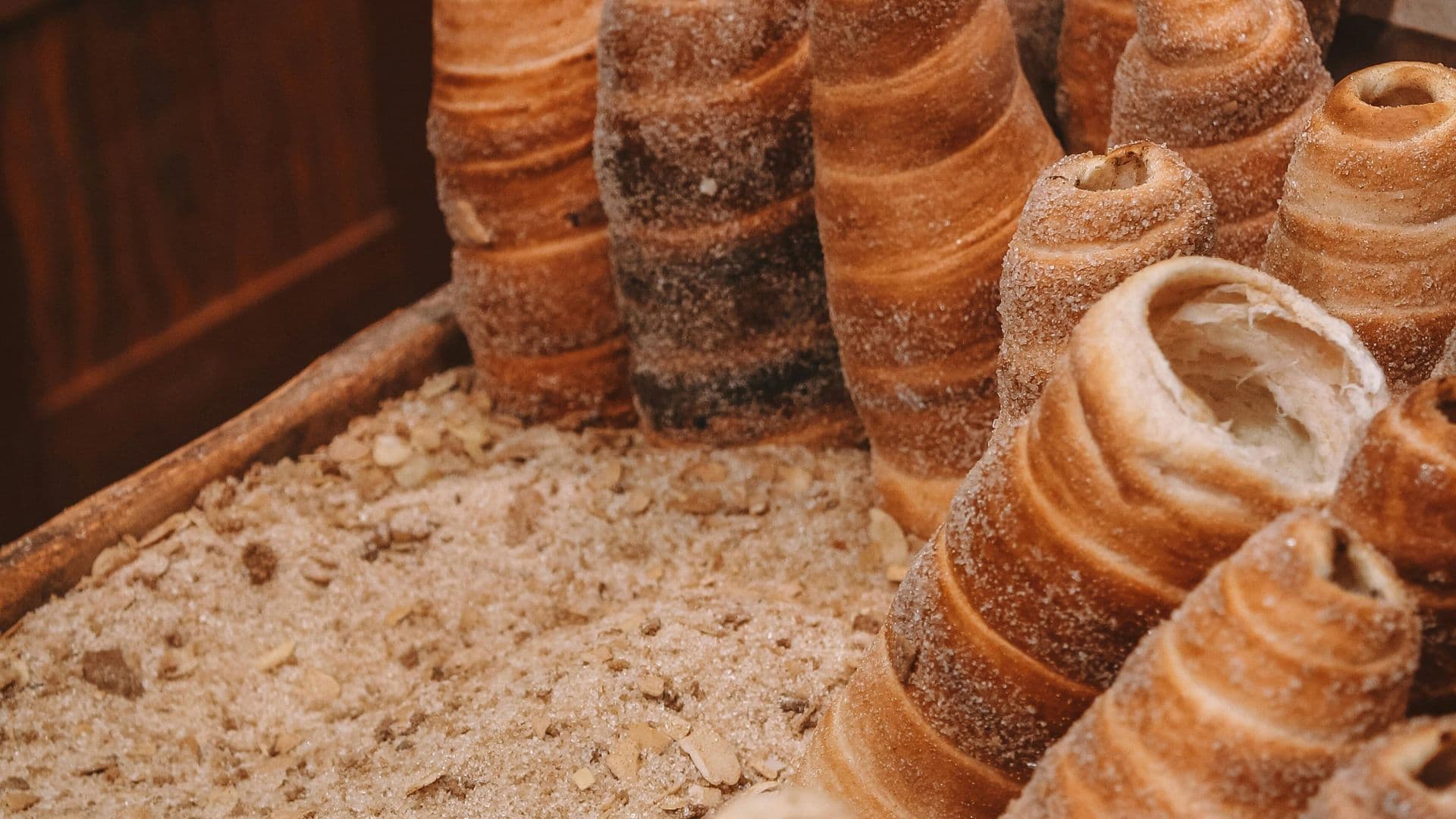
Every Saturday morning from spring through autumn, the Vltava riverbank below Vyšehrad transforms into a farmers' market that feels nothing like the tourist-oriented stalls in Old Town. Náplavka draws thousands of Prague locals who come for fresh sourdough bread, Moravian wine, artisanal cheese from family farms, and sausages grilled over open flame. There are no "I Love Prague" T-shirts. No overpriced trdelník. Just food — and the people who take it seriously.
Prague's market scene has expanded dramatically. The city now has permanent food halls, seasonal farmers' markets, and pop-up food events that reflect how radically Czech food culture has changed. This guide covers the places worth visiting, when to go, and what to eat when you get there.
Náplavka Farmers' Market
Rašínovo nábřeží, Prague 2 (riverbank between Palackého and Výtoň)
This is the market that matters. Every Saturday from roughly April through November, vendors set up along the stone embankment on the east bank of the Vltava. The setting alone is worth the visit — the river on one side, Vyšehrad rock rising above on the other, the castle visible in the distance upstream.
But the food is the reason locals come. Expect:
- Bread and pastry: Several artisanal bakeries sell sourdough loaves, rye bread, and pastries that sell out by noon.
- Cheese: Small Czech and Moravian farms bring fresh goat cheese, aged cow cheese, and smoked varieties you cannot find in supermarkets.
- Meat and sausage: Klobásy (sausages) grilled on-site are the market's signature snack — a thick pork sausage on bread with mustard, eaten standing up. Several butchers sell free-range pork, beef, and game.
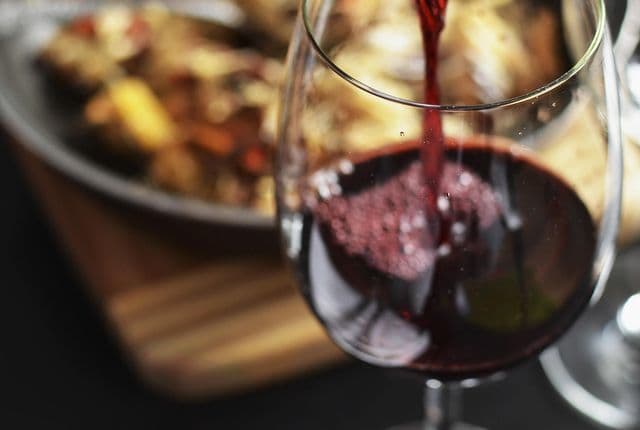
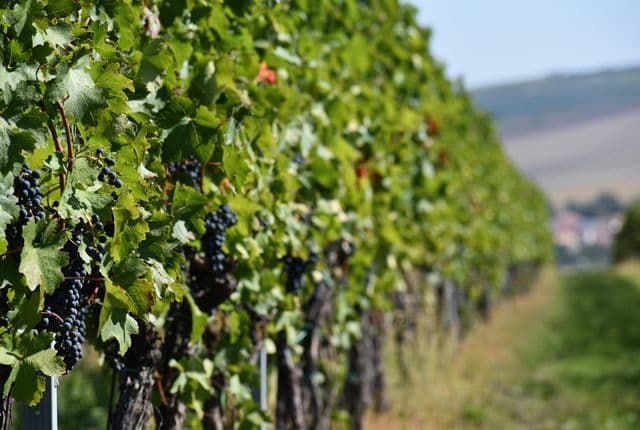
- Moravian wine: Winemakers from southern Moravia pour tastings and sell bottles. This is the cheapest way to discover outstanding Czech wines.
- Produce: Seasonal vegetables and fruits from small farms — strawberries in June, tomatoes in August, apples and pears in October.
Practical details: The market runs 8:00–14:00 on Saturdays. Arrive before 10:00 for the full selection — by noon, the best bread and cheese are gone. The market is cash-friendly, though many vendors now accept cards. Street food (klobása, langos, coffee) costs 80–150 CZK per item (as of 2026).
Insider detail: The stone arches built into the riverbank wall below the embankment are old boat storage chambers, now used as galleries, small bars, and event spaces. After shopping at the market, walk along the lower embankment and peek into the open arches — on Saturday afternoons, some host live music or wine tastings. The atmosphere is one of the most authentically local experiences in Prague.
Manifesto Market
Manifesto has operated at several locations — check current location before visiting
Manifesto is a curated open-air food market with a design-forward aesthetic. Think shipping-container food stalls arranged around communal seating, string lights, and a bar. The food vendors rotate but typically include Vietnamese, Mexican, Italian, barbecue, vegan, and Czech options — each stall run by a small independent operator.
The quality is consistently high. This is not a traditional Czech market — it is a modern food-hall concept that reflects the international side of Prague's dining scene. Expect to spend 200–350 CZK per dish.
Practical details: Hours vary by location and season — typically open lunch through late evening, Wednesday through Sunday. Check their website before visiting.
Insider detail: Manifesto tends to attract a younger Prague crowd — creatives, tech workers, expats. The vibe on a warm summer evening, with food from half a dozen cuisines, cold Czech beer, and the city skyline as backdrop, is one of the best casual dining experiences in Prague. Our guests who are not interested in traditional Czech food often prefer this to restaurant dining.
Havelská Market
Havelské tržiště, Prague 1 (between Rytířská and Uhelný trh)
Prague's oldest continuously operating market, running since 1232. The bad news: it has become heavily tourist-oriented, with stalls selling wooden toys, magnets, and painted eggs alongside the remaining produce vendors. The good news: some genuine food stalls remain, and the market's location — in the heart of Old Town — means you will probably walk through it anyway.
What to look for: seasonal fruits, dried mushrooms (a legitimate Czech souvenir), honey, and herbal teas. Skip the trdelník stands (see our trdelník truth article for why).
The market runs daily, roughly 8:00–18:00. It is busiest around midday. The eastern end toward Uhelný trh tends to have more food vendors and fewer souvenir stalls.
Jiřího z Poděbrad Farmers' Market (Jiřák)
Náměstí Jiřího z Poděbrad, Prague 3 (Vinohrady)
The second-most-important farmers' market after Náplavka, running Wednesday and Saturday mornings from spring through autumn in the square in front of the Sacred Heart Church. The market is smaller and more neighborhood-focused than Náplavka — you will see fewer tourists and more locals doing their weekly shopping.
The produce is the highlight — small farms from Central Bohemia bring vegetables, fruits, eggs, and herbs. Several bakeries set up here. The coffee stalls are excellent.
Practical details: Wednesday and Saturday, approximately 8:00–14:00. Smaller than Náplavka but easier to navigate.
Insider detail: The Sacred Heart Church behind the market is one of Prague's most distinctive modern buildings — designed by Josip Plečnik in the 1930s. Most market-goers walk right past it, but the bold geometric design is worth a look, especially the massive clock tower.
Holešovice Market Hall (Pražská tržnice)
Bubenské nábřeží 306, Prague 7 (Holešovice)
A vast 19th-century market complex in Holešovice — originally Prague's central wholesale market. Today, it is a mixed-use space: some halls house Vietnamese grocery shops and wholesale outlets, others host occasional food festivals and flea markets. The permanent Vietnamese food section is the draw — cheap, authentic Vietnamese meals for 100–150 CZK.
This is not a polished foodie destination. It is gritty, industrial, and confusing to navigate. But the Vietnamese food is excellent, and the atmosphere is genuinely multicultural in a way that no tourist attraction in Prague manages.
Our guides know the best local spots — far from the tourist traps. Learn more about our team.
Practical details: Vietnamese food stalls operate daily. Weekend food festivals and flea markets happen periodically — check listings. The complex is a 10-minute walk from Vltavská metro station.
Seasonal and Holiday Markets
Prague Christmas Markets
The Christmas markets on Old Town Square and Wenceslas Square run from late November through early January. The food stalls serve traditional Czech winter fare: svařák (mulled wine), trdelník (the controversial chimney cake), klobása (grilled sausage), bramboráky (potato pancakes), and langoš (fried dough with garlic and cheese).
The atmosphere is festery and worth experiencing once, but the prices are inflated and the food quality is inconsistent. For a deeper guide, see our Prague Christmas markets article.
Insider detail: The Christmas market at Náměstí Míru in Vinohrady is smaller, calmer, and less commercialized than Old Town Square. The food stalls there tend to be run by local vendors rather than tourist-market operators, and the mulled wine is usually better.
Prague Easter Markets
Similar setup to Christmas but smaller. Old Town Square and Wenceslas Square host Easter stalls from March or April. Traditional Easter items — painted eggs, braided bread (mazanec), lamb-shaped cakes (beránek) — alongside the usual food stalls.
Where Locals Actually Grocery Shop
This is not a market-stall section, but visitors often ask us where Prague residents buy everyday food. The answer reveals something about how the city works:
Supermarkets: Albert, Billa, and Lidl are the main chains. Albert is the largest Czech-owned chain. Billa has better prepared foods. Lidl has the best prices.
Rohlik.cz: An online grocery delivery service that most Prague households use at least weekly. Order by 22:00, delivery by 7:00 the next morning. It has essentially replaced supermarket runs for many locals.
Vietnamese shops (večerka): Small Vietnamese-run convenience stores open late evenings and weekends. They carry fresh produce, Asian ingredients, and basics. Found on nearly every residential street in Prague 2, 3, 5, and 7.
Farmers' markets and farm boxes: A growing number of Prague residents subscribe to farm-box delivery services (Freshbedýnky, Sklizeno) for weekly produce. The farmers' market movement has expanded from weekend shopping to a genuine shift in how the city eats.
Practical Tips for Market Shopping
Cash is still useful. While card payments are expanding at markets, smaller vendors — especially farmers with seasonal stalls — often prefer cash. Náplavka is mostly card-friendly; Havelská and Jiřák are more mixed.
Bags: Bring your own. Czech markets do not provide plastic bags, and vendors increasingly do not offer paper ones either. A cloth tote is standard equipment.
Language: Market vendors generally speak limited English, especially at neighborhood markets like Jiřák. Point, smile, and use numbers — it works. At Náplavka and Manifesto, English is widely spoken.
Timing: First thing in the morning for the best selection. Late morning for the best atmosphere. After noon, vendors start packing up and the best items are gone.
Experience Prague's Food Scene With a Private Guide
Prague's food culture goes deeper than any market stall. On our All Prague in One Day private tour, we walk through neighborhoods where the best markets, bakeries, and restaurants are clustered — and we love sharing recommendations tailored to what our guests enjoy. The Kozel Brewery day trip takes you into the Bohemian countryside to see how Czech beer is made — another side of the food culture that visitors rarely experience.
For a completely different food experience, the Medieval Dinner Show at U Pavouka serves a five-course historical feast in a 15th-century vaulted cellar. No market stalls — just candlelight, live music, and dishes inspired by centuries-old recipes.
See all our private tours in Prague and the Czech Republic. Exclusively yours, with your own guide.
Frequently Asked Questions
What is the best food market in Prague? Náplavka farmers' market on Saturday mornings is the best overall — the largest selection, the most authentic atmosphere, and a beautiful riverside setting. It runs April through November.
Is Havelska Market worth visiting? It is worth walking through since it is in Old Town, but it has become heavily tourist-oriented. For genuine food shopping, Náplavka and Jiřák are better choices.
What should I eat at Prague food markets? Klobása (grilled sausage with mustard and bread), artisanal sourdough bread, Moravian wine, local cheese, and seasonal fruits. At Manifesto, the international street food options are excellent.
Are Prague markets open in winter? Náplavka and Jiřák are seasonal (roughly April to November). Havelská market runs year-round. Christmas markets operate late November through early January. Manifesto and the Holešovice Market Hall are year-round.
You May Also Like
Want to see Prague for yourself?
Try our medieval dinner experience