Prague for Foodies — A Gastronomic Guide to the City
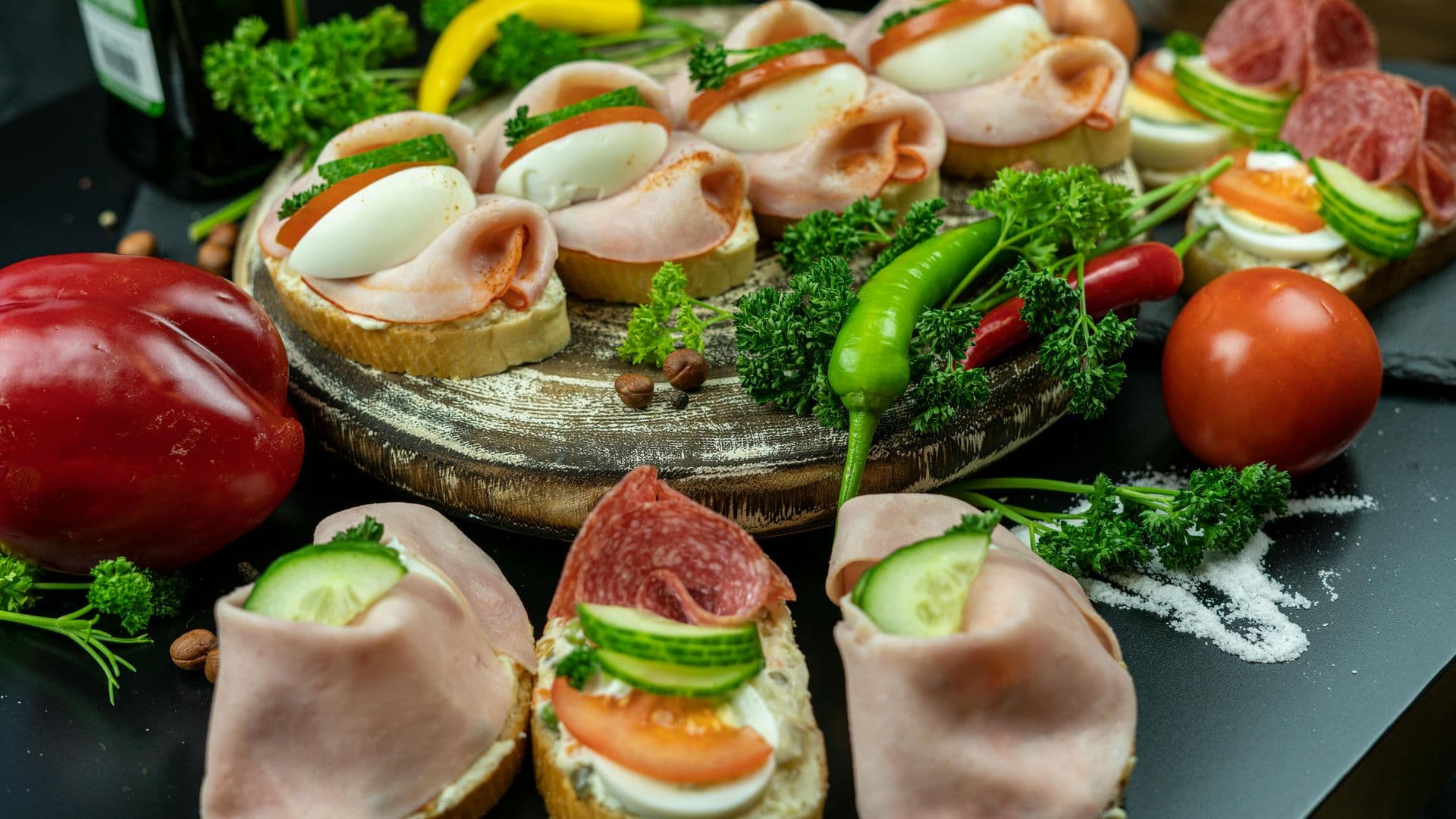
Prague's food scene has changed more in the last decade than in the previous century. The city that was once synonymous with heavy dumplings and cheap beer now holds Michelin stars, runs a thriving food market circuit, and produces natural wines that would surprise most sommeliers. The dumplings are still here — and they're still good — but they share the table with things that didn't exist in Prague ten years ago.
This guide maps the city for visitors who plan trips around what they'll eat. From traditional Czech kitchens to tasting menus, from morning market stalls to late-night wine bars, here is where Prague feeds you best.
Traditional Czech Food — Done Right
Czech cuisine is peasant food elevated by time. The fundamentals — roasted meats, root vegetables, fermented cabbage, dumplings — are simple. The execution, when done well, is deeply satisfying.
Svíčková na smetaně (marinated beef sirloin with cream sauce and cranberries over bread dumplings) is the national dish. When prepared correctly, the beef is tender enough to cut with a fork, the sauce is subtly sweet with a juniper-and-carrot base, and the dumplings soak it up without disintegrating. Most tourist restaurants serve a pale imitation. For the real version, go to Kantýna on Politických vězňů — a butcher shop and restaurant where the meat is sourced directly.
Insider detail: Czech dumplings come in two types — houskové knedlíky (bread dumplings, sliced from a roll) and bramborové knedlíky (potato dumplings, denser and chewier). Most restaurants default to bread. If you prefer potato — which many Czechs do with certain dishes like roast duck — ask specifically for "bramborové."
Vepřo-knedlo-zelo (roasted pork, dumplings and sauerkraut) is the workhorse of Czech cooking. U Kroka in Vinohrady serves a textbook version — crisp-skinned, slow-roasted pork with sauerkraut that's tangy rather than vinegary. Mains at traditional restaurants run 200 to 350 CZK (as of 2026).
For a memorable Czech food experience in a historic setting, our Medieval Dinner at U Pavouka serves a multi-course feast in a 15th-century vaulted cellar — unlimited food and mead, with fire dancers between courses.
Markets and Street Food
Prague's market scene has matured from a few seasonal events into a year-round network of food markets where producers sell directly.
Náplavka Farmers' Market runs every Saturday along the Vltava riverbank south of the National Theatre. From spring through autumn, roughly 50 stalls sell fresh produce, artisan cheeses, smoked meats, pastries and prepared food. The atmosphere is relaxed — locals buying weekend groceries alongside visitors tasting trdelník chimneys and klobása sausages. Arrive before 10 AM for the best selection.
Insider detail: At Náplavka, look for the stalls selling nakládaný hermelín — Camembert-style cheese marinated in oil with garlic, peppers and herbs. It's a Czech beer-snack staple that rarely appears on restaurant menus but is sold at several market stalls. Pair it with a craft beer from the Matuška or Raven stands.
Manifesto Market operates permanent locations at Florenc and Smíchov. These are curated food-hall environments with 20 to 30 vendors — Korean, Thai, Israeli, Mexican, Peruvian alongside Czech options. Quality is consistently above average. Florenc is outdoors under a covered structure. Smíchov is indoor.
Kulaťák Market at Dejvická (every Wednesday and Saturday) is the locals' market — less photogenic than Náplavka, more focused on raw ingredients. If you're cooking in an apartment rental, this is where Prague chefs shop.
Cooking Classes
The best way to understand Czech food is to cook it. Several operators run hands-on classes in English.
Chefparade on Újezd in Malá Strana offers Czech-focused classes (svíčková, trdelník, Czech pastries) and international options in a well-equipped teaching kitchen. Classes typically last 3 to 4 hours and include eating everything you've made, with wine. Book several days ahead.
Most classes walk you through a full menu — appetiser, main and dessert — with background on the ingredients and techniques. You learn why the cream sauce needs three days of marinating, why the dumplings are steamed rather than boiled, and what the difference between Czech and Austrian strudel actually is.
Michelin and Fine Dining
Prague earned its first Michelin stars in 2008 and the scene has grown steadily since. As of 2026, several restaurants hold stars or Bib Gourmand recognition.
Field on U Milosrdných in Old Town holds a Michelin star for modern Czech cuisine using seasonal local ingredients. The tasting menu changes monthly — expect game, foraged mushrooms, Bohemian carp and techniques borrowed from Scandinavian and French traditions. The space is intimate (30 seats) and reservations are essential weeks in advance.
La Degustation Bohême Bourgeoise on Haštalská is Prague's other Michelin-starred pioneer. The concept: reinterpreting historical Czech recipes from 19th-century cookbooks with modern technique. Seven courses, each with a story. It is scholarly and delicious in equal measure.
Insider detail: For a Michelin-quality experience without the booking difficulty, look for Bib Gourmand restaurants — Michelin's recognition for excellent food at moderate prices. Eska in Karlín (fermentation-focused, excellent sourdough), Sansho (Asian-Czech fusion) and Divinis (Italian, superb wine list) are consistently strong.
Wine Beyond the Basics
The Czech Republic is not famous for wine. That's starting to change, and Prague is the best place to discover why.
Moravian wine comes from the southeast of the country — the Pálava, Mikulov and Valtice sub-regions produce whites that compete with Austrian and Alsatian bottles. Pálava (a Czech-bred aromatic grape crossing Müller-Thurgau and Traminer) is floral and honeyed. Ryzlink vlašský (Welschriesling) at its best is crisp, mineral, and nothing like the sweet Rieslings most visitors expect.
A private guide makes all the difference when exploring this part of Prague.
Prague's natural wine scene has exploded. Veltlin on Křemencova, Vinograf (multiple locations) and Bokovka in Žižkov pour Czech and international natural wines in relaxed, knowledgeable settings. Staff at these bars genuinely understand what they're selling — ask for a Czech recommendation and you'll learn something.
Insider detail: Czech wine labels use the VOC (Vína originální certifikace) system — the Czech equivalent of French AOC. VOC wines must come from a specific region and meet quality standards. Look for VOC Znojmo, VOC Mikulov or VOC Pálava on labels. These are the Czech wines worth bringing home.
Beer Beyond Pilsner
Czech beer is world-class and genuinely cheap. A half-litre of draught lager costs 50 to 80 CZK in most pubs. But the beer landscape extends far beyond Pilsner Urquell and Staropramen.
Prague's craft beer revolution started around 2012 and now supports dozens of microbreweries and taprooms. BeerGeek on Vinohradská has 32 taps rotating Czech and European craft beers. Pivovarský klub on Křižíkova in Karlín stocks over 250 bottle varieties alongside draught options.
For the traditional Czech beer experience, visit a tank pub — a bar that receives unpasteurised lager delivered in tanks directly from the brewery. Lokál (multiple locations, the original on Dlouhá street) serves Pilsner Urquell this way. The difference between tank-fresh and bottled is immediate — the beer is softer, more aromatic and has a shorter shelf life.
Our Czech beer guide covers styles, history and the best pubs in detail.
Cafés and Pastries
Prague's café culture dates to the Austro-Hungarian era, and some of those original institutions still operate. Café Slavia on Národní třída faces the National Theatre and the Vltava — the views alone justify a coffee. Grand Café Orient on Ovocný trh is the world's only Cubist café, housed in the House of the Black Madonna.
Czech pastries to seek out: koláče (round pastries with tvaroh cheese, poppy seed or plum jam), větrník (a caramel-topped choux pastry) and lívance (small pancakes with blueberry compote). Café Savoy on Vítězná does exceptional pastries from their in-house bakery.
Planning Your Food Day
A dedicated food day in Prague might start at Náplavka market (Saturday morning), follow with a late lunch at Kantýna or Eska, an afternoon wine tasting at Veltlin, and dinner at Field or La Degustation if you've booked ahead — or at U Kroka if you want honest Czech food without formality.
For visitors who want the full picture with expert guidance, a private walking tour can be tailored around food — we know which bakeries are baking at what hour, which market stalls are worth queuing for, and which restaurants the chefs eat at on their nights off.
Explore all our private tours. Exclusively yours, with your own guide — and we build food stops into every itinerary.
Frequently Asked Questions
Is Prague a good city for foodies?
Absolutely. The combination of strong traditional cuisine, a growing fine-dining scene, excellent markets, affordable prices and a thriving craft beer and natural wine culture makes Prague one of Europe's most interesting food cities — especially for its price point.
What is the best Czech dish to try?
Svíčková na smetaně (beef sirloin with cream sauce and dumplings) is the national favourite. If you try one Czech dish, make it this one — but go to a restaurant that takes it seriously, not a tourist-menu place in Old Town Square.
Are there food tours in Prague?
Yes, several operators run English-language food walking tours covering Old Town, Vinohrady and beyond. These typically last 3 to 4 hours and include 5 to 8 tastings. Alternatively, a private tour with us can be tailored entirely around food.
Is Prague vegan-friendly?
Increasingly so. Traditional Czech food is meat-heavy, but Prague now has dedicated vegan restaurants, and most modern restaurants offer plant-based options. Eska, Manifesto Market stalls and several Vinohrady restaurants cater well to vegan diners.
You May Also Like
Want to see Prague for yourself?
Take our flagship Prague tour-6-640x430.jpg&w=3840&q=75)